US Forces Execute Daring Mountain Rescue in Iran
US Special Operations forces executed a daring rescue mission in Iran's Zagros Mountains on April 5th, 2026. Elite commandos, supported by extensive air power, recovered the second crew member of a downed F-15E fighter jet. The pilot had evaded Iranian forces for nearly 48 hours.

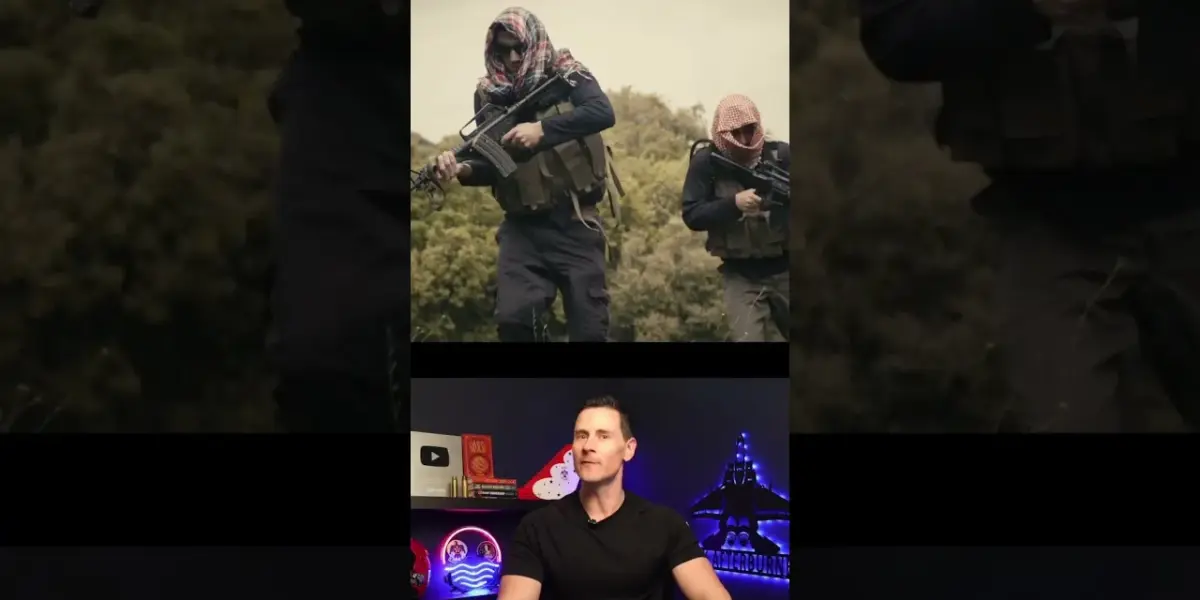
Elite Commandos Stage Daring Mountain Rescue
On April 5th, 2026, US Special Operations forces successfully rescued the second crew member of an F-15E fighter jet. The pilot had been shot down over Iraq earlier in the conflict. This operation, codenamed ‘Epic Fury,’ marked its 37th day with this critical mission.
Deep Behind Enemy Lines
The rescue took place in the rugged Zagros Mountains. These mountains are located roughly 7,000 feet high, near the Iranian town of Dehasht. The pilot, identified as Colonel Wizzo, had evaded Iranian Revolutionary Guard Corps (IRGC) hunters and local militias for nearly 48 hours. He used SEER tactics, a survival method focused on observation and evasion. He also sent silent, encrypted signals from his combat survival radio.
Massive Air and Ground Support
The rescue mission involved a large contingent of elite US commandos. They operated under significant air cover. Nightstalker helicopters provided crucial support. Small, agile ‘Little Bird’ helicopters were also present. US Air Force pararescue jumpers and Navy SEALs worked alongside ground forces. These included operators from Delta Force and the Green Berets.
Intense Combat Engagement
The operation faced heavy resistance. A-10 Warthog attack aircraft provided close air support. MQ-9 Reaper drones offered surveillance and strike capabilities. A C-295W transport aircraft from the secretive 427th Special Operations Squadron also participated. This aircraft flew at a low altitude. The rescue teams linked up with the pilot under heavy fire. They managed to suppress the large IRGC forces converging on their position.
Strategic Context
This rescue highlights the challenges of operating in difficult terrain against determined adversaries. The Zagros Mountains offer excellent cover for evasion but also make extraction difficult. The IRGC’s efforts to capture or eliminate the downed pilot show Iran’s commitment to preventing enemy personnel from escaping. The use of multiple special operations units, including pararescue and SEALs alongside Army special forces like Delta and Green Berets, demonstrates a joint-force approach. This coordinated effort is vital for complex missions where different skill sets are needed. The heavy air support, including attack aircraft and drones, was essential to counter the IRGC ground forces and ensure the safe extraction of the pilot.
Strategic Implications
The successful rescue of the F-15E pilot has several important implications. Firstly, it demonstrates the US military’s capability to conduct high-risk, deep-penetration rescue operations even in challenging environments. Secondly, it shows the importance of specialized units like pararescue and special operations forces in modern warfare. Their ability to operate independently and survive behind enemy lines is crucial. The IRGC’s aggressive pursuit underscores the strategic value placed on downed enemy aircrews. Capturing such individuals can yield valuable intelligence. The operation also highlights the ongoing air war over the region and the risks associated with it. The coordinated use of various aircraft, from attack planes to transport and surveillance drones, illustrates the complex logistical and tactical planning required for such missions.
Historical Parallels
This operation echoes historical special operations rescues, such as the Son Tay Raid during the Vietnam War. While that raid did not result in the freeing of prisoners, it demonstrated the willingness of US forces to attempt high-risk missions deep into enemy territory. More recently, operations to rescue downed pilots in hostile areas have become a hallmark of modern special operations. These missions require meticulous planning, specialized training, and superior equipment to succeed against determined resistance.
Geopolitical Impact
The incident and subsequent rescue are likely to increase tensions between the US and Iran. It showcases the direct engagement between their forces. Such events can influence regional stability and international perceptions of military capabilities. The successful extraction of the pilot could be seen as a strategic victory, boosting morale for allied forces. Conversely, Iran may view the operation as a violation of its territory and sovereignty, potentially leading to retaliatory actions or increased border security measures. The international community will likely monitor the situation closely, as such incidents can have broader diplomatic and security consequences.
Source: The INSANE Special Ops Rescue of the F-15E WSO in Iran (YouTube)

Related Articles


Trump Threatens Iran, Shaking Global Stability
Former President Trump's aggressive Easter Sunday warning to Iran has ignited global concerns, highlighting a volatile intersection of politics, religion, and foreign policy. The analysis explores the motivations behind such rhetoric, the deep divisions within American society, and the potential for severe economic and geopolitical repercussions worldwide.


Trump’s Rhetoric Fuels Iran Tensions, Raises War Crime Alarms
Former President Donald Trump's aggressive Easter weekend social media posts directed at Iran have sparked international concern. His threats of military action and ultimatums, coupled with conflicting narratives about military engagements, have raised alarms about potential war crimes and a dangerous escalation of conflict. Critics accuse both Trump and segments of the media of downplaying the severity of his rhetoric.


Trump Threatens Iran: “Open Strait or Live in Hell”
President Trump issued a severe warning to Iran, threatening "hell" if the Strait of Hormuz is not reopened, while U.S. forces successfully rescued a downed airman. Experts suggest potential escalation and regional realignments are unfolding.