US Forces Decimate Iran’s Navy, Strike Deep Within
The United States military has announced the sinking of Iran's key drone carrier and released footage of its navy being obliterated. Ongoing air and missile strikes, including deep strikes into Iran, signal a significant escalation in regional conflict.

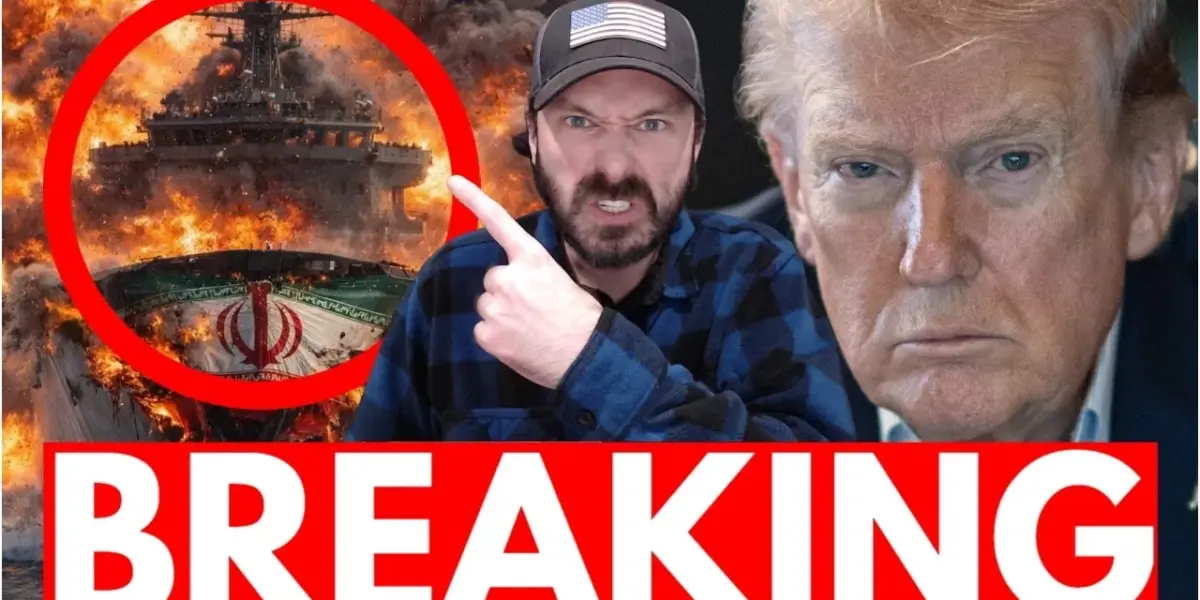
US Forces Decimate Iran’s Navy, Strike Deep Within
In a dramatic escalation of regional tensions, the United States has released compelling footage showcasing the significant destruction of Iran’s naval capabilities. The U.S. military announced the sinking of Iran’s “secret drone carrier,” a vessel reportedly crucial to Tehran’s projection of naval and air power. This development, coupled with ongoing air and missile strikes, signals a rapidly intensifying conflict in the Middle East.
Naval Power Crippled in the Gulf of Oman
Recent reports indicate a drastic reduction in Iran’s naval presence in the Gulf of Oman. According to U.S. military statements, eleven Iranian ships that were present two days prior are now accounted for as sunk. This action is framed as a response to decades of harassment and attacks on international shipping in the region. The U.S. asserts its commitment to defending freedom of maritime navigation, a principle it states has been vital for global economic prosperity for over 80 years.
Footage released by U.S. forces depicts a large Iranian naval vessel, believed to be a destroyer, being struck and engulfed in a massive fireball. The U.S. Navy has specifically confirmed the sinking of the Shahid Bri, Iran’s drone carrier. This vessel was reportedly seen by Iran as a potential game-changer in the conflict, enabling a fusion of naval and air power. Its destruction is described as a devastating blow to Iranian strategic ambitions, particularly given its role in projecting power.
The Iranian regime has harassed and attacked international shipping in the Gulf of Oman for decades. Those days are over. Freedom of maritime navigation has underpinned American and global economic prosperity for more than 80 years. US forces will continue to defend it.
Ballistic Missiles and Air Strikes Intensify
The conflict is not confined to naval engagements. Ballistic missiles have been observed flying into Kuwait, with reports of interceptions by air defense systems. While the footage captures moments of interception, the presence of these missiles highlights the widening reach of the hostilities. Kuwait has also been involved in separate incidents, including the accidental downing of U.S. fighter jets, though crews were reportedly unharmed.
Simultaneously, extensive air strikes are underway. U.S. forces have released footage showing the destruction of an IRGC (Islamic Revolutionary Guard Corps) aerospace forces’ Tor M1 short-range air defense system through precision-guided munitions. Furthermore, footage depicts an Israeli fighter pilot evading an Iranian air defense missile while conducting operations. This suggests a multi-front aerial confrontation involving various regional actors.
Deep Strikes Against Missile Capabilities
The U.S. has also conducted significant operations targeting Iran’s ballistic missile program. U.S. B1 bombers have reportedly struck deep inside Iran, aiming to degrade these capabilities. U.S. Central Command released statements indicating a deliberate strategy to dismantle Iran’s missile industry. Footage shows the deployment of these bombers, underscoring the scale of the offensive operations.
Intelligence Operations and Broad Targets
Beyond direct military action, intelligence operations appear to be playing a critical role. A report in the Financial Times suggests an operation to target Iran’s Supreme Leader, Ayatollah Ali Khamenei. This operation allegedly involved years of hacking into traffic cameras in Tehran to monitor IRGC personnel movements and the use of a human source within Khamenei’s inner circle, reportedly provided by the CIA.
The scope of the U.S. military’s offensive is further illustrated by data from U.S. Central Command detailing the first 48 hours of Operation Epic Fury. This operation reportedly hit 1,250 individual targets within that initial period, indicating a massive and rapid deployment of force.
Why This Matters
The current events represent a significant escalation in the long-standing tensions between the United States and Iran, and by extension, its regional allies and adversaries. The destruction of Iran’s key naval assets, particularly the drone carrier, and the deep strikes against its missile infrastructure, aim to fundamentally alter the strategic balance in the region. The reported involvement of multiple actors, including Israel and various militia groups, suggests a complex and potentially volatile proxy conflict.
Implications, Trends, and Future Outlook
The U.S. strategy appears to be a decisive, shock-and-awe approach aimed at crippling Iran’s military capabilities and deterring future aggression. The emphasis on maritime security and the degradation of missile programs points to key strategic priorities. The success of these operations could lead to a period of reduced Iranian assertiveness, but also carries the risk of retaliation through asymmetric means or by Iranian-aligned proxies.
The reporting on intelligence operations suggests a sophisticated, multi-layered approach to undermining the Iranian regime. The revelation of a CIA human source within the highest echelons of the Iranian government, if accurate, would represent a major intelligence coup and could have profound implications for future strategic planning and counter-intelligence efforts.
The trend is towards a more direct and forceful U.S. posture, moving beyond sanctions and limited strikes to large-scale kinetic operations. The future outlook remains uncertain, heavily dependent on Iran’s response and the broader geopolitical reactions to these events. The potential for miscalculation and further escalation remains high, especially given the involvement of multiple state and non-state actors.
Historical Context
The current military actions are situated within a long history of U.S.-Iran antagonism, dating back to the 1979 Islamic Revolution. Decades of diplomatic friction, economic sanctions, and proxy conflicts have characterized their relationship. The U.S. has consistently sought to counter Iran’s influence in the Middle East, particularly its support for regional militant groups and its pursuit of advanced weaponry. Iran, in turn, views U.S. military presence and policies in the region as a direct threat to its security and interests. The recent actions can be seen as a culmination of these long-standing strategic disagreements, amplified by current regional security dynamics.
Source: Trump OBLITERATES Iran's Secret Weapon – Ballistic Missiles FLYING (YouTube)

Related Articles

Rubio Warns of ‘More Punishing’ Next Phase in U.S.-Iran Conflict
Senator Marco Rubio has warned that the U.S. military is preparing for a "more punishing" next phase of engagement with Iran. His comments precede a classified briefing with lawmakers, signaling anticipated significant retaliatory strikes.


Trump’s “No New Wars” Pledge Shattered: An “Epic Betrayal”
President Donald Trump's decision to launch military action in Iran marks a stark reversal of his core "no new wars" promise. This move has triggered significant backlash from his supporters, who viewed this pledge as a bedrock of his political identity. Analysts are calling it an "epic, generational stabbing in the back."

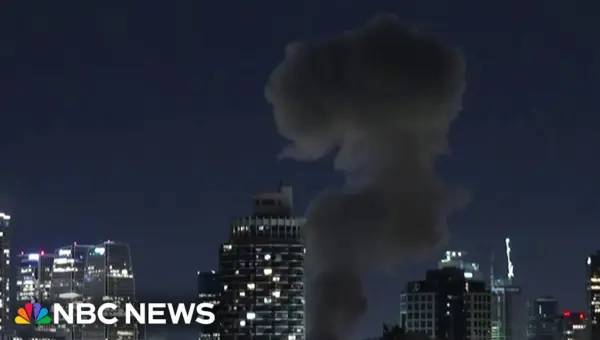
US Aims to Destroy Iran Missile Power in Escalating Conflict
The U.S. has launched significant military operations targeting Iran's ballistic missile capabilities, aiming to prevent its nuclear ambitions. Top officials confirm the explicit goal is to destroy Iran's missile power, annihilate its navy, and prevent it from obtaining nuclear weapons. The conflict's duration and the potential for ground troops remain subjects of intense discussion.