US Fighter Jet Downed Over Iran Amid Regional Tensions
A U.S. F-15 fighter jet crashed in Iran, prompting an ongoing search and rescue mission. The cause remains uncertain, with possibilities including mechanical failure or being shot down by Iranian forces. The incident raises concerns about escalating regional tensions and impacts on global energy markets.

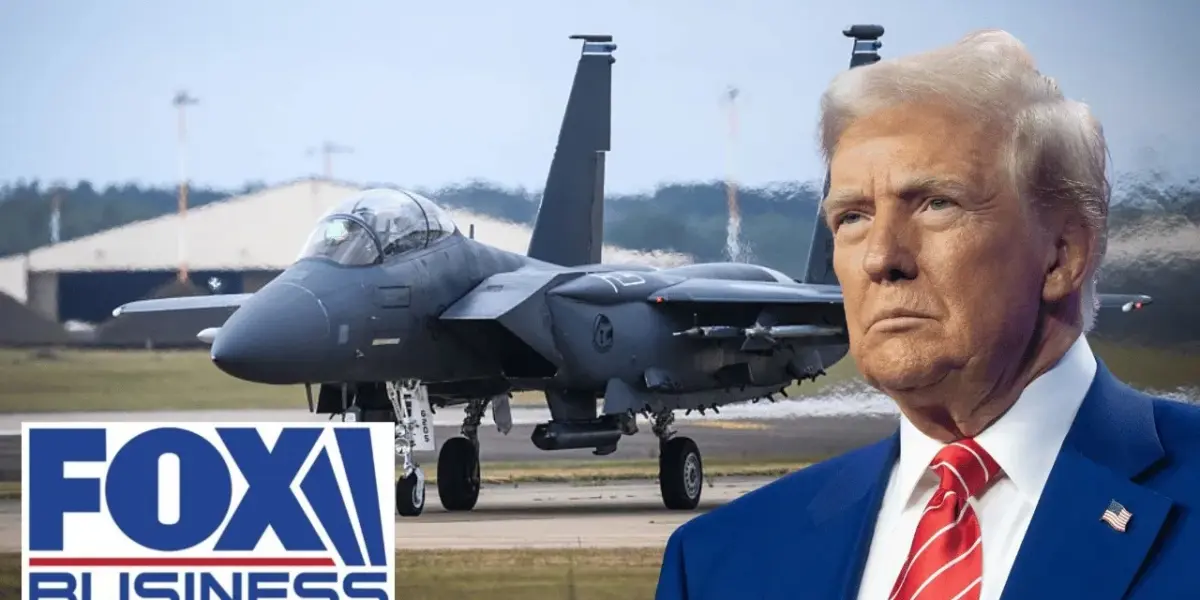
US Fighter Jet Downed Over Iran Amid Regional Tensions
A U.S. F-15 fighter jet crashed in central Iran, prompting an ongoing search and rescue mission and raising concerns about escalating regional conflicts. President Trump has been briefed on the incident, which occurred in the southwestern province of Iran, an area close to Kharg Island, a site of recent strategic discussions.
The downed aircraft was a two-seater warplane. While one pilot has reportedly been rescued, the status of the second crew member remains unknown. Visuals of the ongoing rescue operation showed helicopters actively searching the area, with an ejected seat from the F-15E found attached to a parachute. However, no pilot was immediately found near the seat.
The rescue operation itself is considered rare, especially a daytime mission, due to the vulnerability of helicopters to ground fire. This highlights the urgency and danger involved. CentCom, the U.S. military’s Central Command, has been in continuous meetings since the news of the fighter jet going down first broke.
Uncertainty Surrounds Cause of Crash
It is not yet clear whether the F-15E was shot down by Iranian forces or experienced mechanical difficulties. Iran has suggested they were responsible for the jet’s downing, which, if confirmed, would represent a significant escalation of the conflict. The U.S. has previously asserted air superiority in the region, making such an event particularly noteworthy.
This incident occurs against a backdrop of heightened tensions and economic warfare in the region. Earlier on Friday, attacks targeted facilities in the United Arab Emirates, causing fires and halting operations at an oil production site. Saudi Arabia also reported intercepting several drones. These events underscore the volatile nature of the Middle East, particularly concerning oil production and supply chains.
Broader Geopolitical Context
The downing of the jet, regardless of the cause, poses a clear threat to American pilots flying over Iran. Despite numerous strikes targeting Iran’s missile storage sites and air defense capabilities, the country is believed to still possess a substantial missile arsenal.
The situation is viewed by some as a propaganda win for Iran. The region where the jet went down is described as mountainous and bordering Iraq, presenting challenges for search and rescue efforts, especially during daylight hours with temperatures ranging from the mid-60s to low 80s Fahrenheit.
Economic Warfare and Insurance
Recent developments also include efforts to secure maritime trade routes. Store CNA has partnered with the U.S. International Development Finance Corporation to provide insurance for vessels in the Strait of Hormuz. This insurance covers up to $40 billion, double the amount announced in March, aimed at protecting against potential losses and ensuring the continued flow of oil and goods.
The broader geopolitical discussion touches on the nature of the Iranian regime. Some analysts question the possibility of reform or a more amenable leadership, suggesting that the current regime’s objectives remain fundamentally opposed to de-escalation or peaceful coexistence. The idea of regime change and establishing leadership focused on regional cooperation and non-nuclear ambitions is also part of the ongoing discourse.
What Investors Should Know
The incident highlights the ongoing risks associated with geopolitical instability in the Middle East, a critical region for global energy markets. Investors monitor such events closely as they can impact oil prices, shipping costs, and broader market sentiment. The threat to critical infrastructure, like oil production facilities, and military assets underscores the potential for supply chain disruptions and increased operational costs for companies involved in the region.
The ongoing tensions and potential for escalation can create volatility in financial markets. While the immediate focus is on the military and diplomatic response, the long-term implications could involve shifts in energy policy, defense spending, and international trade relations. The insurance developments for vessels in the Strait of Hormuz suggest a proactive approach to mitigating economic risks associated with these conflicts.
Source: Trump briefed on downed US fighter (YouTube)

Related Articles


Pentagon Shake-Up: Top Army General Out Amid Iran Tensions
Defense Secretary Pete Hegseth has removed Army Chief of Staff Randy George and several other top generals in a significant shake-up at the Pentagon. These widespread leadership changes raise concerns about lost institutional knowledge and established networks during a critical time of escalating tensions with Iran.
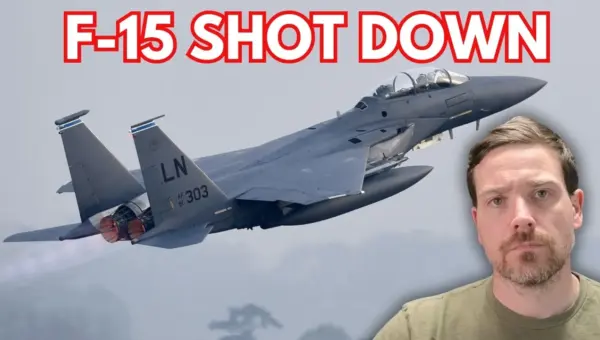
US Jet Downed in Iran: Stakes Skyrocket for Captured Crew
A US F-15 jet shot down over Iran raises tensions, with search efforts underway for the two crew members. The incident could become a major propaganda win for Iran if the crew is captured, potentially altering the war's outcome and public opinion.
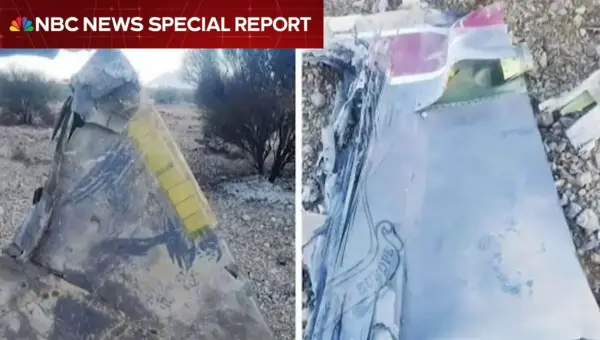
US Fighter Jet Crashes in Iran; Rescue Mission Underway
A U.S. F-15 fighter jet crashed inside Iran on Friday, prompting an urgent search and rescue mission. U.S. officials confirmed the incident, while Iranian state media reported the downed aircraft and offered a reward for the capture of the crew. The White House has been briefed, and the event raises questions about the ongoing U.S. military operations and potential escalation.