US Faces Strategic Failure in Iran War, UK Stays Clear
Defense analyst Sean Bell argues the US war in Iran is heading for a strategic failure, despite potential military gains. The UK is keeping clear of direct involvement, viewing the conflict as unwinnable. Bell discusses the challenges of reopening the Strait of Hormuz and the economic fallout.

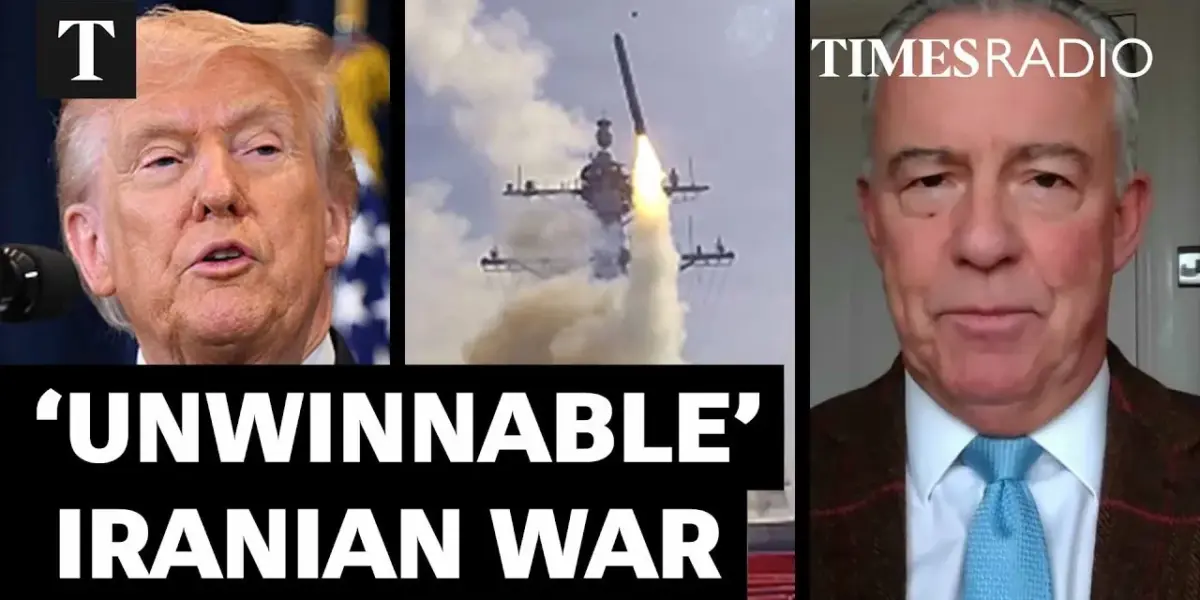
US War in Iran Deemed Strategic Failure; UK Avoids Direct Involvement
The United States is on track to achieve a military victory but a significant strategic failure in its current conflict with Iran, according to defense analyst and former Air Vice Marshal Sean Bell. Bell stated that the British government and military are intentionally keeping their distance from direct involvement in the war, recognizing it as unwinnable. The conflict, which has seen the US launch strikes from bases like RAF Fairford and Diego Garcia, aims for regime change and disruption of Iran’s nuclear program. However, Bell argues these objectives are unlikely to be met, with Iran’s nuclear intent remaining unchanged despite potential short-term setbacks to its program.
Trump’s War Aims and the Lack of a Ceasefire
Former President Donald Trump’s suggestion of winding down the war without a ceasefire presents a complex scenario. Bell explained that typically, a ceasefire creates space for political solutions and compromise. However, Trump appears unwilling to compromise, potentially leading to a withdrawal without fully achieving stated objectives. This approach risks leaving behind significant destruction and an unresolved situation in the Strait of Hormuz. The US could cease striking, but this action alone may not deter Iran from continuing hostilities.
Iran’s Position and the Strait of Hormuz Blockade
While Iran’s offensive military capabilities might have been significantly impacted, its neighbors’ offensive weapons remain largely intact. Bell cautioned that if Iran were to prolong the conflict, it could escalate into a wider Middle East war, which he believes Iran has no long-term benefit in pursuing. The ongoing closure of the Strait of Hormuz to Western traffic, however, puts Iran in a strong negotiating position. Nations dependent on this vital shipping lane may be forced to appease Iran to ensure its reopening, a difficult situation for the West.
Challenges in Reopening the Strait of Hormuz
The strategy to reopen the Strait of Hormuz faces considerable military challenges. Bell noted that attempts to run convoys through the strait would expose ships directly to Iran’s missile capabilities. Iran possesses Chinese-supplied surface missiles, explosive-laden remote-controlled boats, mines, and unmanned aerial vehicles. Even with full US involvement, navigating these threats would be extremely difficult. Without the US, other nations lack the naval capacity to ensure safe passage, making a purely military solution unlikely.
Potential for Negotiation and Easing Sanctions
Despite the difficulties, there is a glimmer of hope for reopening the strait. Bell suggested that if the US withdraws from the conflict, the international community might push for a resolution. Iran needs its oil exports to resume, and a negotiated settlement could be linked to the lifting of some sanctions on Iranian oil. The motivation for regional stability and the resumption of trade could drive parties toward a solution, provided the threat of violence is removed.
UK’s Limited Role and Strategic Concerns
The UK’s decision to allow the US to conduct strikes from British bases, framed as an act of collective self-defense, highlights a nuanced approach. Bell indicated that while the UK is making a public statement, its core stance is to avoid direct involvement in the war. The UK’s interests, including the Strait of Hormuz, are considered vital. Allowing strikes from bases like Diego Garcia provides political maneuverability for the US, especially if air power is needed to counter Iranian missile defenses. However, Bell reiterated that the British government and military aim to stay clear of a conflict they view as unwinnable, predicting an American military victory overshadowed by strategic failure.
Assessing Iran’s Military Resilience
Bell drew parallels to military war games, explaining that Iran, like potential adversaries Russia or China, has focused on exploiting enemy weaknesses rather than confronting strengths. Iran’s strategy has centered on the Strait of Hormuz and utilizing hidden, underground military assets that are difficult to target. Despite facing Western military power, Iran maintains its leadership, a large drone arsenal, proxy forces, and control over the vital shipping lane. Bell argued that these factors indicate Iran has not been defeated, even if its conventional military capabilities have been severely tested.
Economic Repercussions of the Conflict
The ongoing conflict and the blockade of the Strait of Hormuz have significant global economic consequences. The disruption to shipping lanes directly impacts fuel prices, inflation, and the cost of essential goods like food and energy. These repercussions affect everything from household budgets to international trade, underscoring the broader impact of the geopolitical tensions in the region.
Source: Iran War Will End In US Strategic Failure: Why The UK Keeps ‘Well Clear’ Of Conflict | Sean Bell (YouTube)

Related Articles


Iran Targets US With Cyberattacks, Escalating Digital Warfare
Iran is increasingly using cyberattacks to challenge the U.S., as seen in a recent hack of the FBI director's account. Experts say this is a strategic shift due to Iran's limitations in conventional warfare. The U.S. needs to strengthen its digital defenses, focusing on encryption and cloud computing, rather than solely relying on traditional security measures.

Ukraine Strikes Russian Oil Refinery, Eyes Iran Threat
Ukrainian forces struck a key Russian oil refinery, disrupting Moscow's war capabilities. Meanwhile, Finland's president urged continued U.S. support for Ukraine, as Kyiv shares its air defense expertise globally amid growing geopolitical complexities involving Iran and potential sanctions against Hungary.

Trump Halts Iran Strikes Amid Stalled Diplomacy
President Trump announced a pause on planned strikes against Iran, citing productive talks, though Iran denies negotiations occurred. Reports also suggest a potential U.S. ground operation on Iran's Hark Island. The situation raises concerns about international support for Ukraine and potential shifts in U.S. foreign policy.