US Faces Scrutiny Over Iran School Strike, Faces Limited ICC Consequences
A devastating strike in Iran, reportedly killing over 175, including children, places the US under scrutiny. While President Trump touts military success, questions loom over intelligence failures and the potential for international legal consequences, which appear limited.

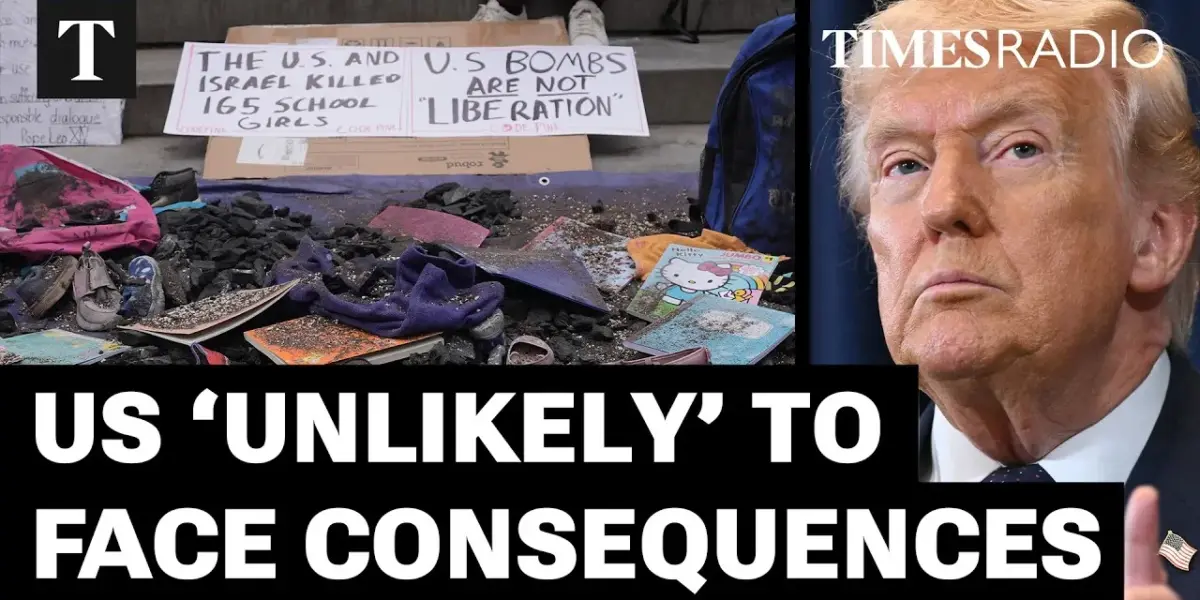
US Faces Global Scrutiny After Iran School Strike
A devastating strike in southern Iran, which reportedly killed at least 175 people, including many children, has placed the United States under intense international scrutiny. Early assessments suggest the attack, which hit a girls’ school adjacent to a naval facility, may have been the result of outdated intelligence provided by American officials. While the full investigation is ongoing, the incident has ignited widespread debate about the legality and conduct of US military operations in the region, and whether such actions could lead to tangible consequences for the United States.
Trump Extols Military Success Amidst Escalating Tensions
Amidst the escalating conflict, President Donald Trump has repeatedly asserted the success of US military actions against Iran. Speaking at a Women’s History event, Trump stated, “The situation with Iran is moving along very rapidly. It’s uh doing very well. Our military is unsurpassed.” He characterized Iran as “a nation of terror and hate” that is “paying a big price right now.” However, reports suggest that Iran has responded to perceived escalations by launching strikes on targets within Gulf States and threatening the Strait of Hormuz, indicating that the conflict is far from over.
Conflicting Messages on Strait of Hormuz Security
The strategic Strait of Hormuz, a critical chokepoint for global oil supplies, has become a focal point of tension. While US Treasury Secretary indicated that the US Navy would escort oil tankers through the strait, conflicting statements emerged from Trump’s former energy secretary, who suggested American forces were not yet ready for such a role. This ambiguity raises questions about the administration’s strategy and the potential risks to American service members tasked with protecting international shipping lanes. The deployment of troops into such a volatile area carries the inherent risk of escalation should they come under attack.
Questions Swirl Around Intelligence Failures and Intent
The strike on the Iranian school has raised serious questions regarding the intelligence used to authorize the operation. Sources indicate that outdated mapping data, which may have failed to identify the adjacent school, could have been provided to Central Command. This potential intelligence failure, coupled with a lack of thorough checks, has led to criticism and demands for answers from Democrats in the US Senate. Analysts are also scrutinizing the nature of the strike, with some suggesting that the perpendicular trajectory of the projectiles indicates a targeted attack rather than an accidental one. President Trump’s shifting statements on the incident, from initially denying US involvement to claiming ignorance, have further fueled public distrust.
Limited Legal Recourse Against US in International Courts
Despite the gravity of the allegations and the potential impact on public opinion, the United States faces significant hurdles in terms of legal accountability. As a signatory but not a full member of the International Criminal Court (ICC), the US can effectively block any proposed court action through its veto power at the UN Security Council. This was seen in previous instances, such as South Africa’s case against Israel. Therefore, while the strike could have profound implications for the US’s global public relations, direct legal consequences through international tribunals are considered unlikely.
Economic Ramifications: Oil Prices and US Oil Industry
The conflict has had a noticeable impact on global oil prices, with the cost surging past $100 a barrel following recent strikes, despite efforts by the International Energy Agency to release stockpiled oil. President Trump has framed rising oil prices as potentially beneficial for the US, given its substantial domestic oil industry. However, this perspective overlooks the impact on consumers, as average gasoline prices remain high. The effectiveness of releasing oil reserves to stabilize prices has also been questioned, with past interventions showing only modest price reductions.
Broader Geopolitical Context and Future Outlook
The situation in Iran is unfolding against a backdrop of broader geopolitical tensions. The Israeli Prime Minister, Benjamin Netanyahu, has stated that Iran is being “crushed” by joint operations with Hezbollah, while also emphasizing his daily conversations with President Trump. Separately, the FBI issued a warning regarding potential Iranian-funded terror cells in the US, prompting heightened security measures for prominent events like the Oscars. These developments underscore the complex and volatile nature of the current international climate, with the potential for further escalation and unpredictable consequences.
The coming weeks will be critical in observing how the investigation into the Iranian school strike progresses, the administration’s response to mounting international pressure, and the potential impact on US foreign policy and regional stability. The effectiveness of US military strategy, the reliability of its intelligence apparatus, and the administration’s ability to navigate complex international legal frameworks will be under intense scrutiny.
Source: Iran School Attack: US Unlikely To Face Consequences If Found Responsible | Anita Powell (YouTube)

Related Articles
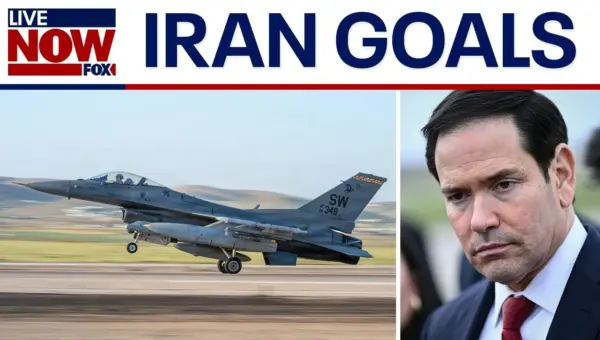
Rubio: US Can Achieve Iran War Goals Without Troops
Senator Marco Rubio outlined a strategy to counter Iran without deploying U.S. ground troops, focusing on weakening the regime and enhancing maritime security. He also criticized Cuba's economic system and expressed concerns about West Bank violence.


Israelis Forge Resilience Amidst Constant Bomb Shelter Drills
Life in Israel is a blend of resilience and constant vigilance, with many families adapting to frequent bomb shelter drills and even sleeping in makeshift shelters. Despite ongoing missile attacks, Israelis strive to maintain normalcy, though businesses face disruption and emotional fatigue is a growing concern.
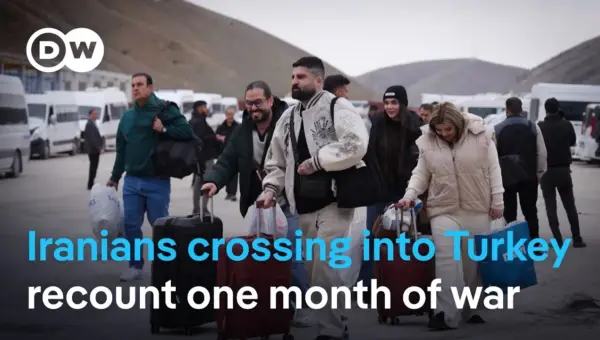
Iran War Exodus: Refugees Flee to Turkey Amidst Bombings
A train from Tehran brings refugees to Turkey, fleeing daily bombings and economic collapse. Many express deep fear for loved ones left behind, while some hold onto national pride and hope for victory. The conflict's impact is also felt economically in Turkey, with rising gas prices.