US Faces Iran’s ‘Horizontal Escalation’ Strategy
Iran is employing a 'horizontal escalation' strategy, widening the conflict's scope to fracture its opposition, experts reveal. This approach, coupled with a potential 'illusion of control' by the US, echoes historical escalations with limited positive outcomes. The situation also raises concerns about nuclear material dispersal and America's global standing.

Iran’s Strategic Response to US Strikes Unfolds
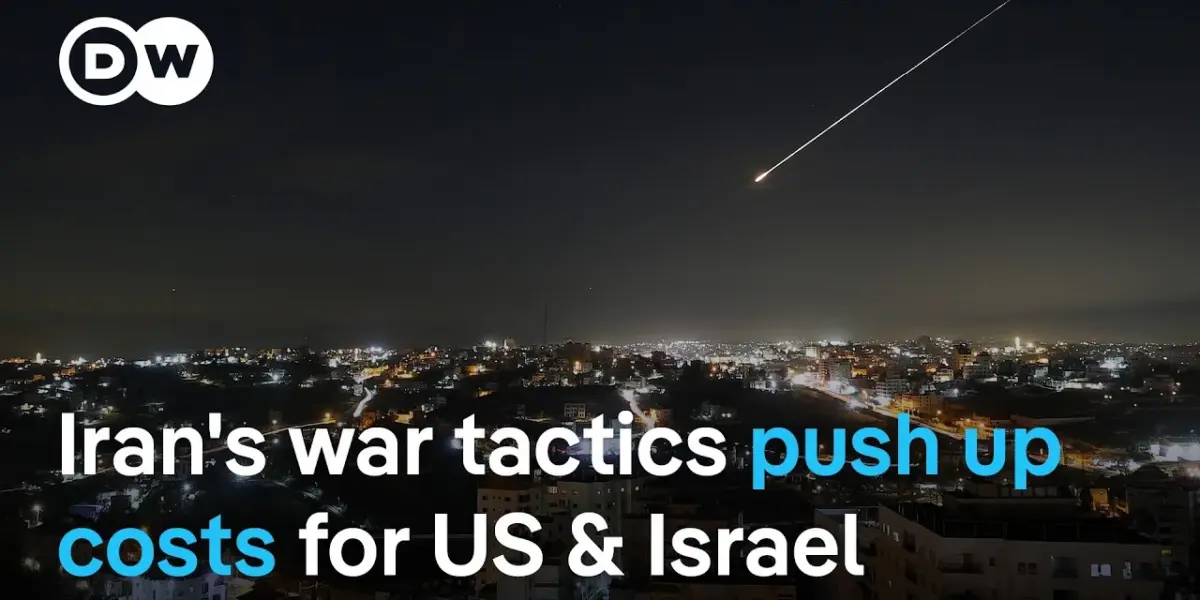
In a significant shift in geopolitical strategy, Iran is reportedly employing a tactic termed ‘horizontal escalation’ in response to recent US military actions. This approach, detailed by experts, aims to widen the conflict’s scope and duration by targeting the coalition arrayed against Tehran, rather than engaging in direct, isolated retaliations. The strategy appears designed to fracture political alliances and exploit divisions within the opposing coalition.
Unforeseen Escalation and ‘Illusion of Control’
Experts suggest the US may not have fully anticipated Iran’s strategic response. The initial precision bombing, while tactically successful in eliminating targets, may have fostered an ‘illusion of control,’ underestimating Iran’s capacity for a coherent counter-strategy. This illusion, according to Professor Robert Pape of the University of Chicago, is now rapidly disappearing as Iran leverages precision-guided drones to engage multiple nodes within the anti-Iran coalition. This marks a departure from traditional warfare where only one side possessed advanced precision capabilities.
Professor Pape elaborated on this strategy: “What um Iran has done is it’s taken its many many many precisiong guided drones and it has coherently targeted nodes in the opposing coalition against it in order to fracture the coalition politically. So it’s not just putting bombs on target and doing that in a surgical way. It is doing it in a way that is driving political wedges between the publics, the Arab governments, the Arab governments then and the uh US.” He cautioned against dismissing Iran’s actions as mere ‘spasms,’ emphasizing that the nation is facing a formidable adversary.
Historical Parallels and Limited Options
The current situation draws parallels to historical instances of escalation, such as the aftermath of Ronald Reagan’s 1986 strikes against Libya. Following the bombing, Muammar Gaddafi retaliated by downing Pan Am Flight 103, resulting in the deaths of 271 civilians, including 190 Americans. This historical precedent highlights a recurring pattern where initial tactical successes can lead to unforeseen and devastating strategic blowback.
In the face of Iran’s evolving strategy, the US and its allies appear to have limited effective options. The current approach, described as ‘doubling down,’ risks a prolonged conflict similar to the Vietnam War, where continuous escalation failed to break the enemy’s will. Professor Pape noted, “There’s a real problem here which is um Iran is not crumbling as a regime. the air attacks are making the regime actually more resilient even as the leaders are being killed.” The decentralization efforts within Iran, coupled with the unifying effect of external attacks, are reportedly making the regime more cohesive and resilient.
Exploiting Political Gaps and Global Ramifications
Iran’s horizontal escalation strategy is also designed to exploit political fissures between the leaders and publics of Gulf states. By highlighting the potential costs of supporting Israeli expansion, Iran aims to create a public relations crisis for regional elites. The assassination of Egyptian President Anwar Sadat following the Camp David Accords serves as a stark historical reminder of the dangers faced by leaders who diverge from public sentiment, suggesting a risk of ‘bottom-up’ upheaval rather than direct military confrontation.
Beyond regional dynamics, the military actions have significant implications for America’s global standing. Experts fear that the current approach will be perceived internationally as reckless, potentially diminishing US influence and playing into the hands of adversaries like Russia. Furthermore, concerns are mounting over the dispersal of Iran’s enriched uranium, a development that could pose systemic risks to the global economy and international security, with some senators reportedly emerging from classified briefings with grave concerns.
Looking Ahead: The Escalation Trap
The unfolding events suggest a complex and potentially protracted conflict. The ‘escalation trap’ framework, as outlined by Professor Pape, indicates that current US strategies may be inadvertently strengthening Iran and prolonging the confrontation. The convergence of geopolitical tensions, potential nuclear proliferation risks, and economic instability paints a precarious picture for the region and the international community. Future developments will likely hinge on whether diplomatic channels can be effectively utilized to de-escalate the situation and avert further destabilization.
Source: Has the US bitten off more than it can chew in Iran? | DW News (YouTube)

Related Articles

G7 Allies Clash Over Iran War Strategy, Urge Focus on Russia
G7 foreign ministers met in Paris, revealing deep divisions over the U.S. war with Iran. European allies urged the U.S. to pressure Russia, linking its actions to the conflict and fearing support for Ukraine will wane.

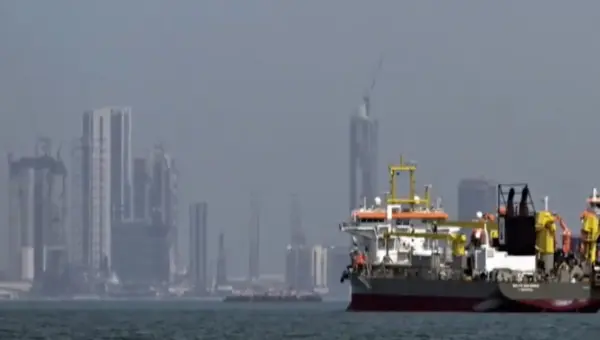
Iran Blocks China Ships, Exposing Beijing’s Weak Grip
Iran's recent decision to block Chinese ships at the Strait of Hormuz is exposing the limits of Beijing's influence in the Middle East. This action is causing delays and cancellations for Chinese manufacturers, turning a perceived geopolitical win into an economic strain.
Rubio: US Can Achieve Iran War Goals Without Troops
Senator Marco Rubio outlined a strategy to counter Iran without deploying U.S. ground troops, focusing on weakening the regime and enhancing maritime security. He also criticized Cuba's economic system and expressed concerns about West Bank violence.