US Faces Iran Dilemma: War Aims vs. Realities
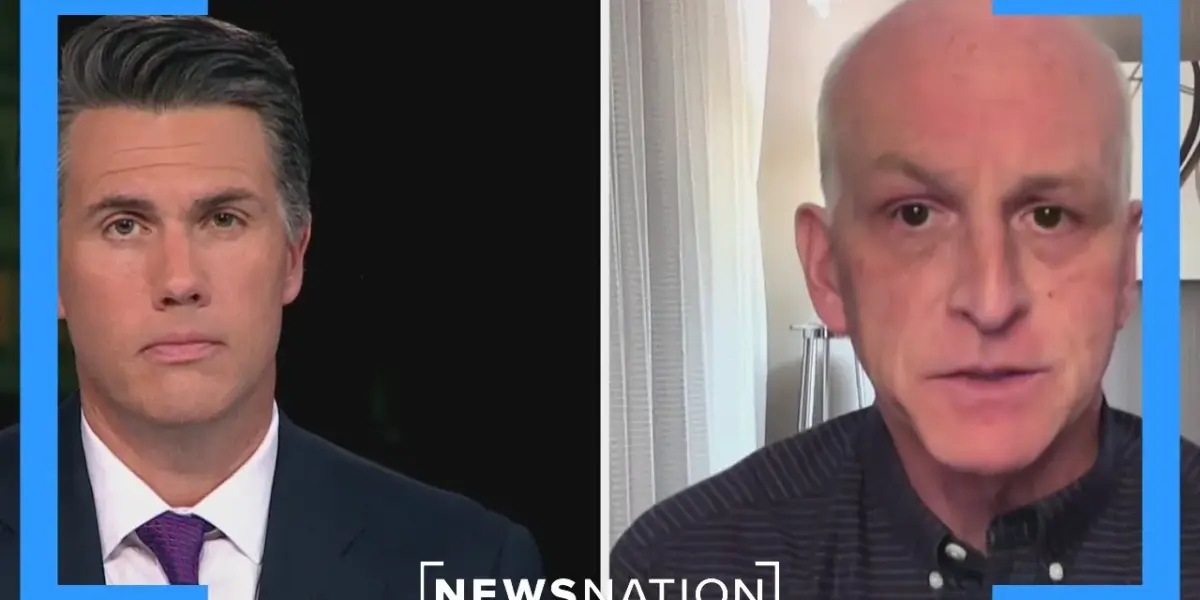
US Congressman Adam Smith expresses deep concerns over President Trump's strategy in Iran. He questions the unclear war aims, conflicting messages of victory and harsh threats, and the high costs versus limited gains. Historical parallels suggest tactical success doesn't guarantee strategic victory, raising doubts about the military's ability to achieve long-term goals.

US Faces Iran Dilemma: War Aims vs. Realities
The United States is caught in a difficult spot regarding its actions against Iran. While President Trump speaks of winning, the actual results on the ground raise serious questions. Democrats, like Congressman Adam Smith from Washington State, are struggling to balance support for troops with doubts about the war’s goals and strategy. This situation highlights a deep divide in how to approach Iran and what success truly looks like.
Conflicting Messages on the Battlefield
President Trump has said the U.S. is winning its campaign against Iran. However, he has also made threats to attack Iran’s oil and desalination plants. These actions seem aimed at hurting the Iranian people. This creates confusion: if the U.S. is winning, why the need for such harsh measures? Congressman Smith points out that these tactics could be seen as trying to force Iran into submission, which clashes with the idea of a victory.
Unclear Goals and Strategies
A major concern is the lack of clear objectives for the military action. What does the U.S. want to achieve? Is it Iran’s nuclear program, its missile program, its support for terrorism, or opening up shipping lanes like the Strait of Hormuz? President Trump has stated that regime change in Iran is not the goal, unlike the situation with Japan in World War II. However, without clear aims, it’s hard to measure success. The cost of this conflict, including rising gas prices and lives lost, needs to be weighed against any gains.
Historical Parallels and Strategic Failures
Congressman Smith draws a parallel to the Vietnam War. In Vietnam, the U.S. military achieved tactical victories but ultimately lost the war. This suggests that winning battles doesn’t always mean winning the overall conflict. The focus, he argues, should be on political will and achieving strategic goals. The current approach in Iran, while possibly degrading Iran’s capabilities, may not fundamentally stop it from being a threat or supporting terrorist groups. This limited gain, at a high cost, might not be worth it.
Doubts About Military Capability
There are doubts about whether the U.S. military can achieve the larger strategic goals, such as forcing Iran to change its ways or enabling regime change. While the military is performing well in carrying out its assigned tasks, the likelihood of ultimate success in achieving these ambitious objectives is seen as very low. The risks and costs of pursuing such unlikely outcomes are a significant concern. The possibility of Iran rebuilding its nuclear program elsewhere, even if true, is a threat that requires careful consideration.
Lack of Information and Transparency
A key issue is the lack of transparency from the current administration regarding Iran’s nuclear program. Despite requests for briefings since military operations began, concrete evidence of Iran rebuilding its nuclear capabilities has not been presented. This absence of proof makes it difficult to justify further military escalation. Until solid evidence is provided, the justification for actions that could lead to wider conflict remains unclear.
Global Impact
The situation with Iran has wider implications for global stability. The ongoing conflict affects energy markets, particularly oil prices, and strains international relations. The uncertainty surrounding U.S. policy and Iran’s actions creates a volatile environment in the Middle East. This instability can have ripple effects across the globe, impacting trade, security, and diplomatic efforts to address other international challenges.
Future Scenarios
Several future paths are possible. The U.S. could continue its current strategy, hoping for a change in Iran’s behavior, though the likelihood of success is debated. Alternatively, a diplomatic solution might be pursued, requiring clear objectives and a willingness to negotiate. A further escalation of military conflict is also a possibility, but one that carries significant risks and uncertain outcomes. The path chosen will depend on political decisions, intelligence assessments, and the evolving situation on the ground.
Source: Trump offered mixed message in address: Rep Adam Smith | On Balance (YouTube)

Related Articles

Iran Faces Limited Options as Strait of Hormuz Stays Open
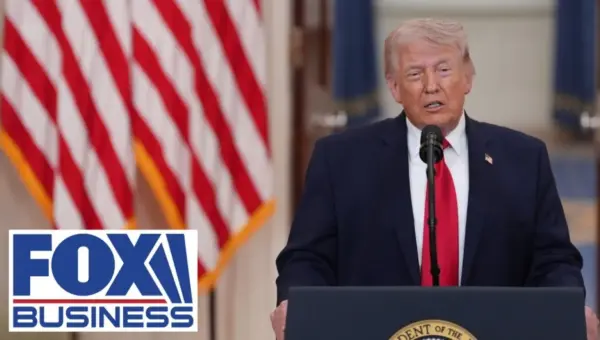
Iran's ability to disrupt global oil markets by closing the Strait of Hormuz appears increasingly limited. International military presence and surveillance are keeping the vital shipping lane open, frustrating Iran's strategy to inflict economic pain. While short-term disruptions are possible, long-term control by Iran is deemed unlikely.

Allies Seek Hormuz Path Without US Military Might
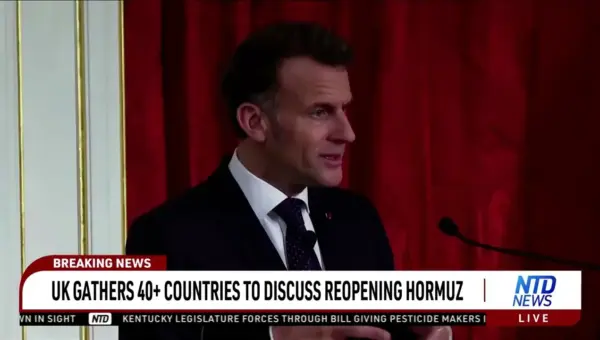
World leaders are discussing ways to keep the vital Strait of Hormuz open for oil transport. The UK is leading talks with over 40 countries, focusing on diplomatic solutions instead of military action. This approach highlights a growing reliance on international cooperation to ensure global economic stability.

Hegseth Ousts Army Chief, Shakes Up Military Leadership
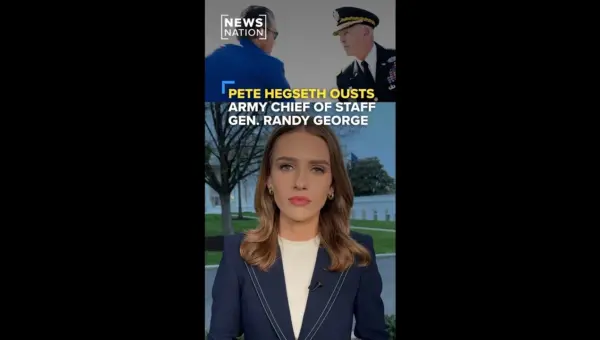
Secretary of War Pete Hegseth has removed Army Chief of Staff General Randy George, citing a loss of trust. Vice Chief Christopher LaNeve is expected to take over. This rare dismissal signals a significant assertion of civilian authority and could reshape U.S. military direction.