US Faces Iran Crisis: Allies Balk, GOP Divided
Ben Shapiro discusses the internal divisions within the GOP regarding Iran policy and criticizes European allies for their lack of support. He argues that the US faces a complex geopolitical challenge, with differing goals between the US and Israel, and highlights the economic leverage surrounding the Strait of Hormuz.


US Faces Iran Crisis: Allies Balk, GOP Divided
The United States is navigating a complex situation with Iran, facing a divided Republican party at home and hesitant allies abroad. While President Trump has taken a firm stance, some within his own party, like figures such as Marjorie Taylor Greene, have openly challenged his approach. Others, including Tucker Carlson and Megan Kelly, have been more indirect, suggesting Trump is being influenced by external forces rather than directly opposing him.
Internal Republican Divisions
Ben Shapiro, host of The Ben Shapiro Show, argues that the opposition to Trump’s Iran policy within the GOP is a ‘fringe’ sentiment, not representative of the party as a whole. He describes this opposition as a small group trying to shift the party’s direction. Shapiro distinguishes between those who directly confront Trump and those who criticize his actions without naming him, suggesting a reluctance to challenge his leadership of the MAGA movement.
Divergent Goals with Israel
While the US and Israel share common interests regarding Iran, their specific goals differ. Israel’s government has focused on disabling Iran’s leadership, aiming for regime change. The US, under President Trump, has prioritized crippling Iran’s ballistic missile capabilities, its nuclear program, and its navy and air force. Shapiro believes the US administration would also welcome a change in Iran’s regime, but the timeline is a key difference, with Israel seeking more immediate results.
Regional Support and Media Focus
Shapiro highlights that moderate Gulf Arab states, including Saudi Arabia and Israel, have quietly supported President Trump’s actions against Iran. However, mainstream media coverage has largely focused on whether the threat from Iran was imminent, a question explored in recent hearings. Figures like Joe Kent and J.D. Vance have suggested the threat was not immediate, while others like Marco Rubio hold a different view.
Imminent Threat or Long-Term Strategy?
Shapiro dismisses the debate over whether the threat from Iran was imminent as a ‘stupid question.’ He argues that waiting until threats are at America’s doorstep is too late. He states that Iran has been an immediate threat to American interests for decades, responsible for regional instability and the deaths of Americans. He sees the recent actions as a response to Iran’s growing ballistic missile and nuclear capabilities, coupled with internal protests in Iran and the destruction of its air defense systems during the ’12 day war.’ This created a window of opportunity for decisive action.
European Hesitation and Economic Leverage
A major point of contention is the Strait of Hormuz, a crucial oil shipping route. While Europe relies heavily on this oil, they have been unwilling to assist the US in securing it. Shapiro criticizes this stance, comparing it to the Democratic party’s approach of supporting goals in principle but refusing to take action. He points to President Trump’s frustration with NATO allies for not contributing more. He suggests taking control of Kharg Island, Iran’s main oil export hub, similar to actions taken in Venezuela, to force Iran to keep the Strait open. If Iran refuses, he proposes seizing its oil.
US vs. European Energy Needs
Shapiro explains that the US is a net energy exporter and does not face the severe supply shortages that Europe would if the Strait of Hormuz were closed. Europe’s reliance on this oil means they have both a price and a supply problem, making their reluctance to act against Iran even more concerning to him. He views this as a sign that allies who are unwilling to fight alongside the US are not valuable.
The Question of Ground Troops
The discussion also touches on the possibility of deploying US troops. Shapiro opposes a large-scale invasion like the Iraq War. However, he is open to the use of special operators for specific missions, such as taking Kharg Island, especially if casualties are minimal. He believes the American public might accept limited special operations, even if they would oppose a massive troop deployment.
Global Impact
This situation highlights a potential shift in global alliances and a strain on existing partnerships, particularly within NATO. The US, under President Trump, is signaling a demand for more tangible support from allies, especially in confronting threats like Iran. The differing approaches to security and the economic dependencies on energy routes like the Strait of Hormuz reveal the complex geopolitical and economic factors at play. The internal divisions within the Republican party also add another layer of complexity to US foreign policy, potentially weakening its ability to present a united front on critical international issues.
Source: Opposition to Iran war is ‘fringe’ sentiment in GOP: Ben Shapiro | Batya! (YouTube)

Related Articles
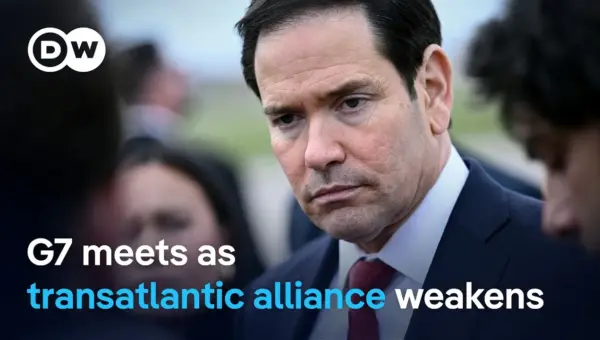
G7 Allies Clash Over Iran War Strategy, Urge Focus on Russia
G7 foreign ministers met in Paris, revealing deep divisions over the U.S. war with Iran. European allies urged the U.S. to pressure Russia, linking its actions to the conflict and fearing support for Ukraine will wane.

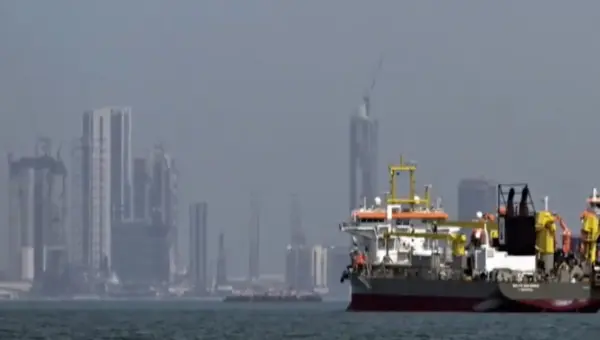
Iran Blocks China Ships, Exposing Beijing’s Weak Grip
Iran's recent decision to block Chinese ships at the Strait of Hormuz is exposing the limits of Beijing's influence in the Middle East. This action is causing delays and cancellations for Chinese manufacturers, turning a perceived geopolitical win into an economic strain.
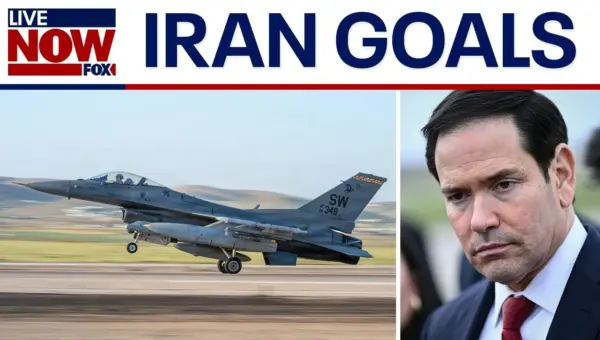
Rubio: US Can Achieve Iran War Goals Without Troops
Senator Marco Rubio outlined a strategy to counter Iran without deploying U.S. ground troops, focusing on weakening the regime and enhancing maritime security. He also criticized Cuba's economic system and expressed concerns about West Bank violence.