US Faces Global Trade Shift as Auto Jobs Flee
The US is losing its global edge in auto manufacturing as jobs move to Europe, a shift overshadowed by internal culture wars and fears of foreign billionaires. Critics argue this distraction prevents Americans from addressing real economic decline and rising costs, while allies reassess their ties to a nation perceived as increasingly divided and economically vulnerable.

US Faces Global Trade Shift as Auto Jobs Flee
The United States is losing its leading position in global auto manufacturing. This shift is happening as jobs move to Europe due to new trade policies. While this major change occurs, some Americans are distracted by cultural debates and fears of foreign billionaires. This focus on manufactured crises prevents many from seeing the real economic challenges facing the country.
Trade Deals Favor Europe Over US Carmakers
New government policies have led to reduced tariffs in countries like India and Australia. Chinese electric vehicles (EVs) are also entering the Canadian market. These changes mean American car companies are facing tougher competition. The era of American dominance in building cars is ending, with many jobs likely heading to Europe. The report suggests the government’s approach to tariffs has hurt American manufacturing.
Distraction by ‘Ghost Enemies’
Many Americans, particularly those aligned with the MAGA movement, are being told to fear foreign billionaires and communist takeovers. This narrative is amplified by media algorithms. It keeps people focused on perceived threats like China and George Soros. Meanwhile, real economic issues like job losses and rising costs are ignored. This tactic is described as ‘algorithmic conditioning’ designed to keep the working class afraid and divided.
Trump’s Populist Image Under Scrutiny
Supporters view Donald Trump as an anti-politician and a leader who cannot be bought. They point to his decision to donate his salary as proof of his commitment. However, critics highlight his business background and wealth. They argue that framing him as a populist hero is a form of political theater. Despite donating his salary, his financial gains during his presidency could reach billions, while average citizens face rising costs for groceries and healthcare.
Economic Hardship for Ordinary Americans
While the focus is on cultural wars and political figures, many Americans are struggling. Costs for everyday items like food are increasing. Healthcare expenses are also rising. For veterans, services like VA healthcare have been significantly reduced. Social Security faces insolvency within five years, posing a major threat to retirees. Many who supported policies aimed at reducing social safety nets now find themselves dependent on them.
Erosion of Trust and National Identity
A growing number of Americans, including long-time patriots and military veterans, express a loss of faith in the country’s direction. One veteran, who served for 30 years and was injured in service, stated he no longer recognizes the nation he fought for. This sentiment, shared by many who previously held strong beliefs in American exceptionalism, signals a significant shift in national identity. It suggests a widespread feeling that the country is no longer upholding its core values.
Protests Highlight Deep Divisions
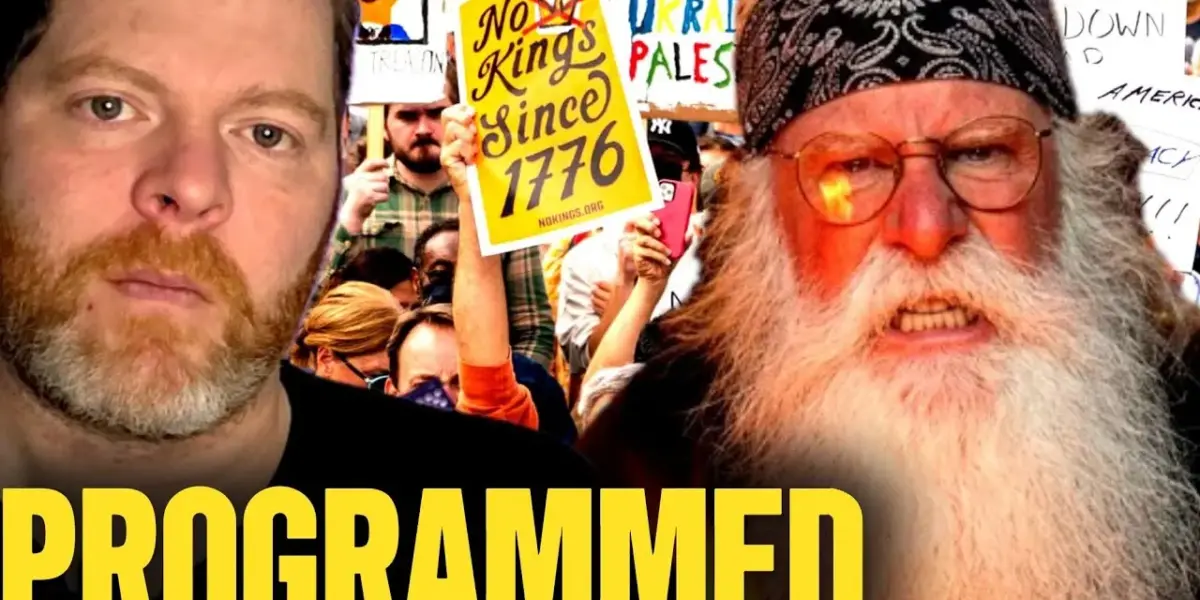
Events like the ‘No Kings’ protests, which reportedly drew millions, show a desire for change. These gatherings are seen not as radical leftist actions, but as a response from people across different backgrounds. They are people who feel ignored by the current political and economic system. Many former MAGA supporters are now questioning the direction of the movement, seeing promises broken and a push towards what they view as monarchic tendencies. They believe the current administration and its allies represent a global elite that views ordinary citizens as subjects.
The ‘Culture War’ as a Distraction
The intense focus on a ‘culture war’ is seen as a deliberate strategy. It aims to divide the working class and prevent them from recognizing shared economic interests. This manufactured crisis distracts from issues like rising living costs, housing affordability, and the ability to raise families. The narrative pushes people to fight over social issues rather than address what is described as a broader ‘class war’ between the top 1% and the remaining 99%.
Global Implications and Shifting Alliances
Internationally, allies are reportedly distancing themselves from the US. Japan is selling off US Treasury bonds, and the US is seen as losing control of the global oil market, strengthening the Chinese yuan. This global repositioning suggests a weakening of American influence. It also prompts a re-evaluation of what it means to be a global citizen, moving beyond narrow nationalistic views.
Global Impact
The confluence of these factors—economic decline, political division, and shifting global alliances—points to a significant reshaping of the world order. The US, once a clear leader in global manufacturing and finance, appears to be ceding ground. The focus on internal cultural battles, while real for many, distracts from these larger, more consequential geopolitical and economic shifts. The long-term consequence could be a more multipolar world with diminished American influence. The current trajectory suggests a need for a new national ideology focused on unity and shared prosperity, rather than division and manufactured fear.
Source: "Billionaires Are Going To Save Us!" (MAGA Actually Believes This) (YouTube)

Related Articles
War’s Shadow: How Conflict Fuels Economic Pain
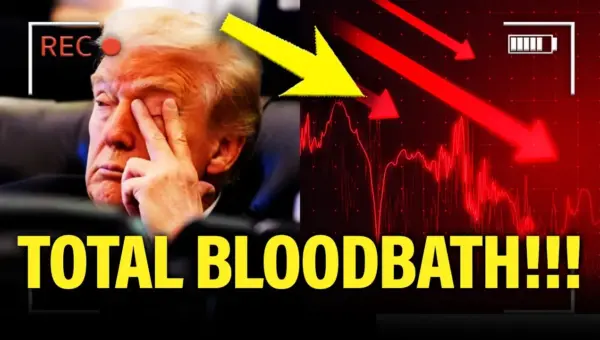
International conflicts are directly fueling economic hardship, driving up prices and destabilizing markets. The piece questions government priorities, suggesting war spending comes at the cost of domestic needs like healthcare and economic stability.


US Bombs Iran: Leaders Killed, Invasion Looms
The United States has launched powerful bombings against Iran, destroying key military targets and reportedly killing six senior leaders. With B-52 bombers involved and US ground troops moving into the region, a ground invasion appears imminent, signaling a dramatic escalation.
Kremlin Saw Trump as Key Asset, Analysis Reveals
Analysis suggests Moscow viewed Donald Trump as a key "asset" rather than a recruited agent. This perspective allegedly shaped Russian efforts to influence U.S. policy, particularly concerning the 2016 election and ongoing geopolitical conflicts. The piece details alleged Russian engagement with Trump since the 1970s and explores the implications of these connections on international relations.