US Faces ‘Complexity, Jeopardy’ if Troops Enter Iran
Ongoing military strikes against Iran are reportedly impacting its capabilities, but retaliation against Gulf States has driven up oil prices. The U.S. faces a complex scenario if ground troops are deployed, with potential risks and internal political divisions. Voices from within Iran express relief at recent developments but fear internal repression, while international dynamics highlight the complex influence of leadership in the escalating conflict.

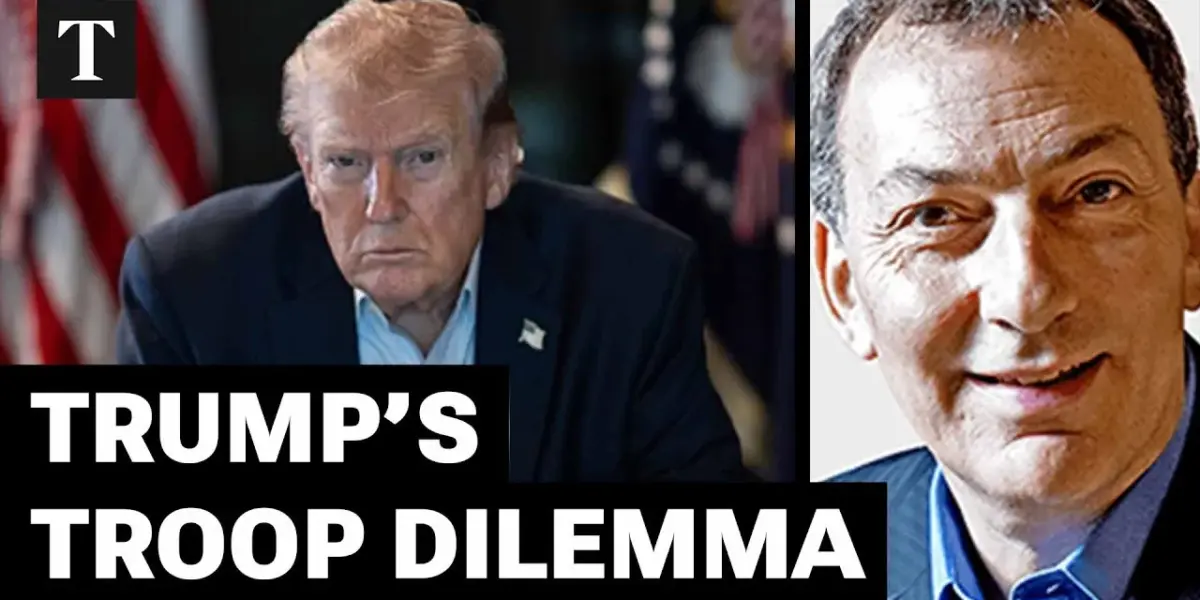
US Faces ‘Complexity, Jeopardy’ if Troops Enter Iran
The United States could face a “world of complexity and jeopardy” if it deploys ground troops into Iran, a scenario that carries significant risks and potential blowback for President Trump’s administration. This comes as military strikes against Iran are ongoing, with significant implications for regional stability and the potential for a prolonged conflict.
Ongoing Strikes and Shifting Dynamics
Military strikes against Iran are reportedly having an effect, with a noticeable decline in the number of missiles and drones being launched at neighboring countries. This suggests a suppression of Iran’s offensive capabilities, possibly through the destruction of launchers and disruption of operations. However, Iran has retaliated by firing at Gulf States, causing a significant spike in oil prices and leading to economic hardship and inflation in other nations, alongside environmental damage to the affected states.
The stated aims of the U.S. campaign appear to be focused on neutralizing Iran’s military threat to its neighbors. This includes targeting Iranian missiles, missile factories, its nuclear industry, and naval assets. The expectation is that once a sufficient number of these objectives are met, the U.S. may declare the mission accomplished, a scenario that might not fully satisfy allies like Israel.
Internal Iranian Perspectives
Despite an almost total internet blackout within Iran, voices from within the country offer a stark perspective. One Iranian woman, identified as “Rosita” for her safety, described a situation where civilian casualties from missile attacks were minimal, but the fear stemmed from “undercovered people”—individuals seen armed with Kalashnikovs and other weapons in the streets, capable of acting with impunity. Rosita expressed relief at the death of a prominent figure, stating, “We are all happy that is dead. This is a very, very great thing.” She also voiced gratitude towards President Trump and Israeli Prime Minister Netanyahu for their actions against the current regime.
“We are all fine. No normal civilian is hurt. The attacks are very accurate. We don’t have fear from the missile attacks or whatever. We just have the fear of the uh undercovered people and I see all fully armed in the streets… So that is our most biggest fear and um we all happy that is dead.”
Rosita also expressed a desire for regime change and a return to a pre-revolutionary Iran, backing the son of the late Shah as a potential leader. She emphasized a unified desire among her family and friends for a different future, stating, “We don’t want Iran to be teared apart so it wouldn’t happen we won’t let it. We are all together in this we are supporting USA we are supporting Israel to fight with this regime and they’re supporting us.”
The ‘Boots on the Ground’ Dilemma
The prospect of U.S. ground troops entering Iran, a concept discussed by President Trump, presents a challenging scenario. Mark Urban, a columnist for The Sunday Times, draws parallels to the post-9/11 intervention in Afghanistan, where a small number of U.S. personnel on the ground worked with local anti-Taliban fighters. This “regime change light” model, involving organizing ethnic groups like the Kurds, Beluchis, and Azeris who have separatist movements and are already armed, could be a potential approach.
However, Urban cautions that such a move could alarm President Trump’s base, the “MAGA” supporters, who may be resistant to deploying soldiers into Iran. Furthermore, the risk of American casualties, captures, and the exploitation of such events for propaganda purposes by the Iranian regime would add significant complexity and jeopardy.
Leadership and Influence in the Conflict
The question of who is truly leading the current intervention is also a subject of discussion. While President Trump has claimed ownership of the conflict, reports suggest that Israeli Prime Minister Benjamin Netanyahu may have played a significant role in its genesis. Netanyahu reportedly desires a prolonged war to deplete Iran’s weapon stockpiles, a sentiment that may not align with U.S. objectives for a swift resolution.
Urban notes a division within Trump’s base regarding Israel, with some becoming increasingly anti-Israeli while others remain staunchly supportive. Trump appears to be aligning with the latter. A key moment that amplified the narrative of Israel triggering the escalation was when U.S. Senator Marco Rubio stated that the U.S. intervened to prevent an Israeli strike that would have led to Iranian retaliation against American bases.
While Trump typically portrays himself as the ultimate decision-maker, Urban suggests that if Trump decides the conflict should end, he has the power to compel Netanyahu to cease hostilities, similar to his influence on a previous Gaza ceasefire. Briefings to the Israeli press also suggest a potential two-week timeframe for their military operations, indicating that even Israel may not envision an indefinite engagement.
Looking Ahead
The current military actions against Iran are ongoing, with the potential for a diplomatic resolution or a prolonged, complex conflict. The possibility of U.S. ground involvement, while fraught with risks, remains a scenario that could unfold. The interplay between U.S. and Israeli objectives, coupled with internal Iranian dynamics and the reactions of regional powers, will be critical in shaping the future course of events. What remains uncertain is whether the current campaign will lead to a lasting de-escalation or merely set the stage for future confrontations, potentially leaving individuals like Rosita with a sense of disappointment.
Source: Trump To Face A ’World Of Complexity And Jeopardy’ If US Boots Descend On Iranian Soil | Mark Urban (YouTube)

Related Articles
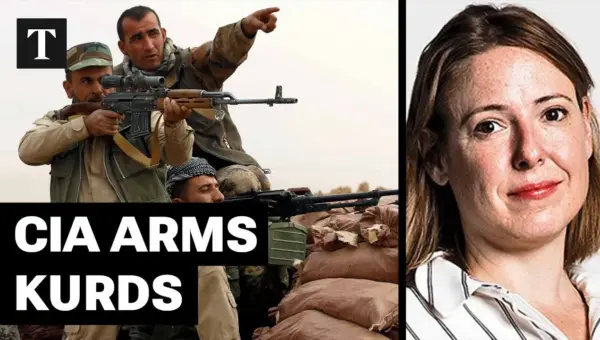
CIA Arms Kurds for Iran Uprising: Netanyahu’s Plan Revealed
The CIA, reportedly at the behest of Israeli Prime Minister Benjamin Netanyahu, has begun arming Kurdish forces in Iraq and Iran as part of a strategy to foment an uprising against the Iranian regime. The move raises questions about regional stability, U.S. ammunition stocks, and the reliability of international partnerships.


Oil Prices Surge on Iran’s Strait of Hormuz Closure Threat
Iran's threat to close the Strait of Hormuz, a vital chokepoint for global energy, could send oil prices soaring and disrupt one-fifth of the world's oil supply. Investors face heightened volatility and inflationary pressures.
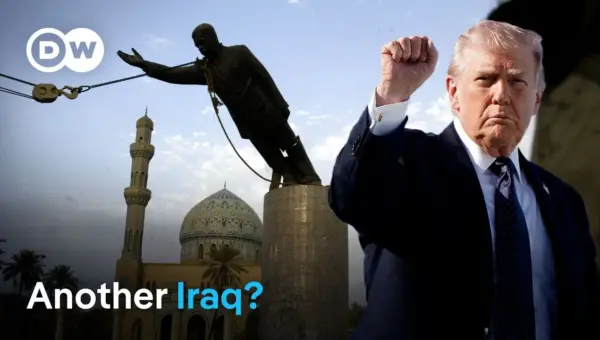
US on Brink? Iran Conflict Echoes Iraq 2003 Mistakes
DW News draws parallels between current US-Iran tensions and the lead-up to the 2003 Iraq War, questioning whether past strategic mistakes are being repeated. The analysis highlights intelligence concerns and the risk of regional destabilization.