US Eyes Iran’s Oil: A Risky Ground Game
Discussing the idea of the U.S. taking Iran's oil, this analysis breaks down the geographic and political challenges. Iran's energy resources are concentrated in two key areas, each presenting unique difficulties for occupation. The potential for a humanitarian crisis and the lessons learned from past interventions in Iraq highlight the risks involved.

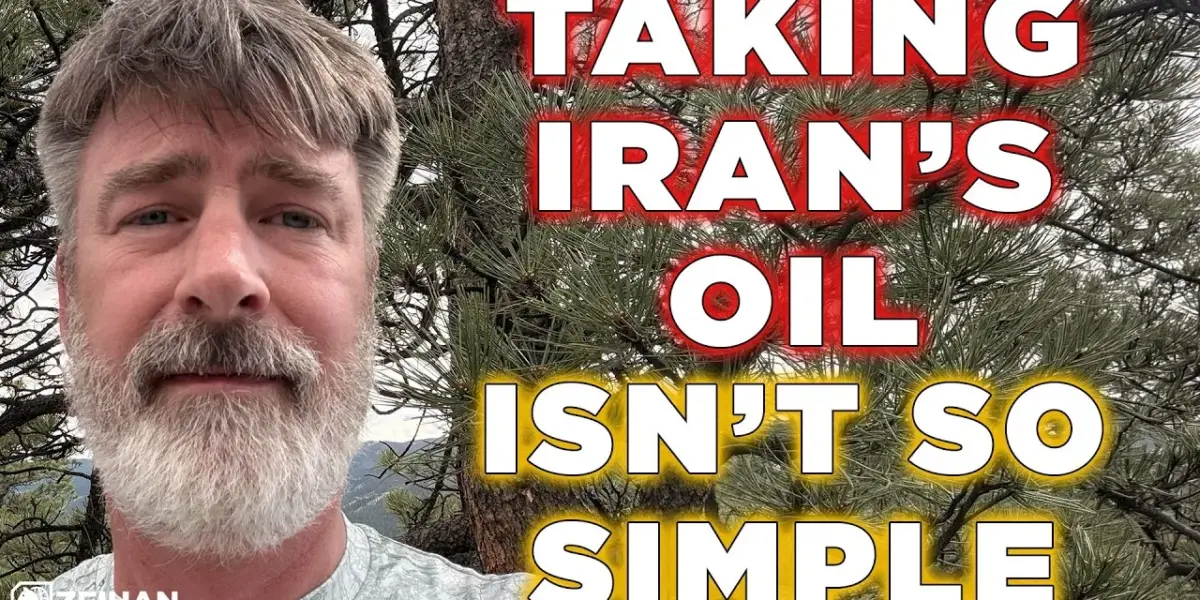
US Eyes Iran’s Oil: A Risky Ground Game
Former President Donald Trump has discussed taking Iran’s oil, but experts say there’s no easy way to do it. This idea brings up complex challenges for any nation considering military action. Understanding where Iran’s oil and gas are located is key to seeing why this would be a difficult plan to carry out.
Where Iran’s Energy Lies
Iran has two main areas where it produces oil and natural gas. The first is in the Persian Gulf, near the country of Qatar. This area, known as South Pars, is mostly offshore. Many foreign companies help run these fields because Iran lacks the full expertise to do it alone. This region produces 70% to 80% of Iran’s natural gas. However, Iran doesn’t export much natural gas. Most of it goes into the local power grid to generate electricity. If the U.S. tried to take control of this area, it would likely shut down gas production. There’s no easy way to send the gas elsewhere, like to Turkey, without going through a lot of Iranian land. Also, there are no facilities to turn the gas into a liquid form for easier shipping. Taking these fields would mean shutting off power for about 90 million people, causing a major humanitarian crisis.
Khuzestan: The Oil Heartlands
The second major energy area is in Iran’s southwest, in Khuzestan province. This region is right on the border with Iraq, near the Iraqi city of Basra. Khuzestan produces 70% to 80% of Iran’s oil. It also produces some natural gas, but its main value is oil. This oil powers Iran’s economy. It’s used within the country and sent to refineries all over. Much of it is also exported from Kharg Island, an island off the northern coast of the Persian Gulf. Trump has mentioned Kharg Island, thinking that controlling it means controlling Iran’s oil. But controlling the island only stops exports. It doesn’t give control over how much oil is produced. To truly control Iran’s oil, an outside force would need to capture all of Khuzestan province and nearby areas.
Khuzestan’s People and Politics
Khuzestan is different from much of Iran. Iran is mostly mountainous, with various ethnic groups. Khuzestan, however, is flat. Most of its people are Arabs, not Persians or mountain dwellers. They are a minority group and feel oppressed by the government in Tehran. They live on top of the oil wealth but see little of the money it brings. This is why Khuzestan is one of the few parts of Iran with a declining population. The government takes the oil money, leaving the Arab population in poverty.
Lessons from Iraq
Some might think this unhappy population could help an outside force start a rebellion. However, the U.S. tried a similar strategy in southern Iraq. There, the majority Shia population, ruled by a Sunni government, was supposed to welcome U.S. help. After 20 years, the Shia in Iraq ended up hating the U.S. more than their former rulers. The U.S. has not improved its nation-building skills since then. Trying to occupy Khuzestan would be much harder than occupying southern Iraq. In Iraq, the U.S. had overthrown the whole government and was the main authority. In Iran, if the U.S. sent troops to Khuzestan, they would occupy a local population while fighting against the Iranian army from the rest of the country. Iran has many more people and military resources than Iraq did.
Military Movements and Potential Disaster
While the idea of taking Iran’s oil is being discussed, the focus is on a potential ground invasion. Donald Trump has a history of using troops once they are deployed. Currently, two U.S. Marine Expeditionary Units are heading to the region. One is already near the Persian Gulf. The other is expected to arrive in two to three weeks. Air forces can also be moved quickly. These military movements suggest that the Trump administration is planning to use these forces. However, such an action would likely lead to a disaster. If the U.S. decides to target Iran’s oil fields, it could mean another long occupation in the Middle East. The history of the last 25 years in the region shows how difficult and costly such occupations can be.
Source: So You Want to Take Iran's Oil… || Peter Zeihan (YouTube)

Related Articles
Trump Halts Iran Attack, Agrees to Two-Week Ceasefire
President Trump has agreed to a two-week ceasefire with Iran, halting a threatened attack just before it was set to occur. The deal, brokered by Pakistan, requires Iran to reopen the Strait of Hormuz. While averting immediate escalation, the long-term implications and the success of upcoming negotiations remain uncertain.


Iran Conflict: US Underestimated Iran, Humbled by Strait of Hormuz
Experts are calling the recent Iran conflict America's 'Suez Moment,' suggesting the U.S. has been humbled despite military actions. A ceasefire has been brokered, but Iran's terms for reopening the Strait of Hormuz, including charging tolls, present significant challenges for future negotiations.

Iran’s Power Play: Regime Stays Strong Amidst Ceasefire Talks
A recent two-week ceasefire agreement between the U.S. and Iran masks deep internal tensions within Iran's leadership. While the U.S. sees a victory, experts point to the regime's continued hardline stance and its control over crucial resources like enriched uranium. The public's desire for real change clashes with the government's focus on survival.