US Eyes Iran Oil Amid Peace Talks and Regional Escalation
President Trump announced U.S. military strikes in Iran amidst reports of potential ground operations. While diplomatic efforts are underway, tensions remain high with attacks on Israeli facilities and escalating regional involvement.

US Eyes Iran Oil Amid Peace Talks and Regional Escalation
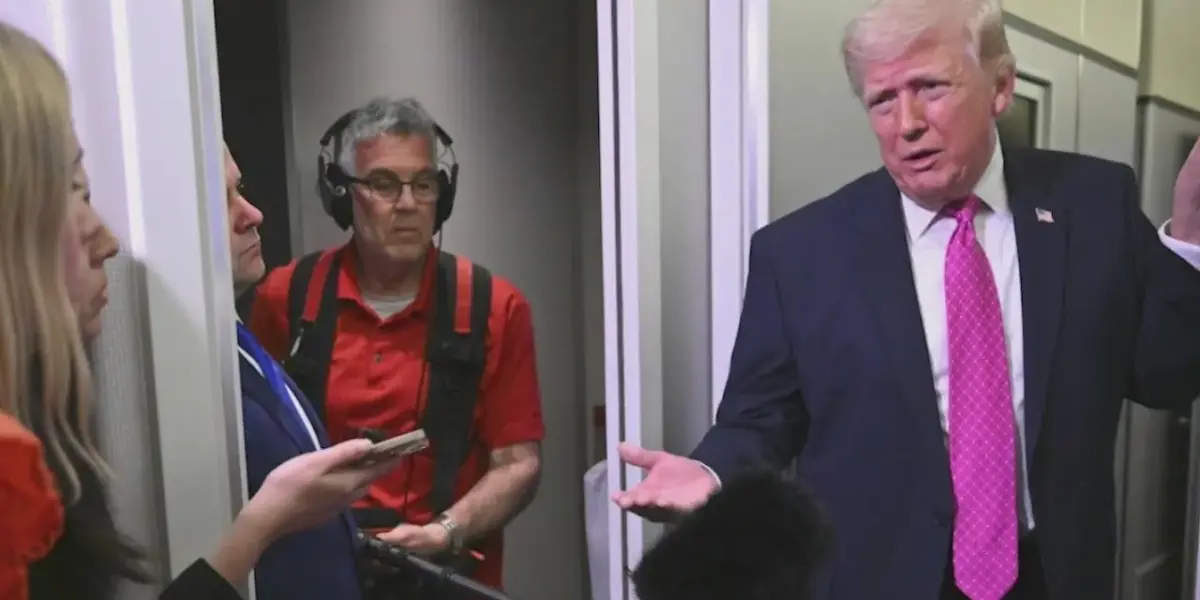
President Trump announced that the U.S. military has successfully hit several key targets inside Iran. This news comes as reports suggest U.S. troops might start ground operations. These potential missions could range from taking control of Iran’s Kharg Island to a dangerous effort to capture Iran’s uranium supplies.
However, President Trump also stated that a peace deal is still possible and could be reached quite quickly. He mentioned that negotiations are happening now, both directly and indirectly. News Nation is providing live coverage from the White House to the Middle East.
Mediators Push for Ceasefire Talks
In Tel Aviv, Robert Sherman reports that mediators are working hard to bring Iran and American diplomats to the negotiating table. They hope to achieve this within the next few days. President Trump expressed confidence aboard Air Force One, feeling good about the ongoing talks and their potential to progress.
“I would only say that we’re doing extremely well and that negotiation. You would never know when that we negotiate with them and that we always have to not.” – President Trump
Diplomats and mediators are putting in a major effort to arrange a formal meeting between the two sides. Representatives from Turkey, Saudi Arabia, Pakistan, and Egypt met in Islamabad over the weekend. Their goal was to discuss the current situation and plan their next steps.
Strait of Hormuz Remains a Flashpoint
The Strait of Hormuz continues to be a major point of tension. This has drawn the attention of the entire international community. President Trump noted that Iran has already given the U.S. what he called a gift. Ten oil ships were allowed to pass through the Strait of Hormuz.
He suggested it is very possible more ships will transit the strait today. The U.S. will be watching this very closely. Despite these ongoing talks, tensions are not going down.
Attacks Strike Israeli Facilities
Videos show an attack on the Addamo plant in southern Israel this week. This chemical facility was hit by attacks. Iran has largely been targeting areas in the north and south over the past 24 hours. Additionally, a fire broke out at an oil refinery site in Haifa today.
Officials stated the fire was caused by debris from a hit tanker on site. There was no direct damage to the oil refinery itself. The situation in northern Israel is also very tense.
Israel Expands Operations in Lebanon
Israeli troops are operating in the snow in Syria and Lebanon. Israeli Prime Minister Benjamin Netanyahu has spoken about expanding operations against Hezbollah in Lebanon’s security zone. He indicated these operations will grow in the coming days.
Houthis Join the Conflict
Another actor has now joined the conflict: the Houthis in Yemen. For several days, they have carried out direct attacks on Israel. This follows their threats to enter the fight. By attacking Israel directly, the Houthis have created another front in the ongoing crisis.
Global Impact
The situation involving Iran, the U.S., and regional players is highly complex. The potential for ground operations in Iran, coupled with attacks on Israeli facilities and the involvement of groups like Hezbollah and the Houthis, raises the stakes significantly.
The Strait of Hormuz is a critical global energy route. Any disruption there could affect oil prices worldwide. The ongoing diplomatic efforts, involving multiple countries, show a desire to avoid wider conflict. However, the military actions and escalating tensions present a serious challenge to these peace efforts.
Historical Context
Tensions between the U.S. and Iran have a long history, dating back to the 1979 Iranian Revolution. The Strait of Hormuz has been a point of contention for decades, with various incidents leading to heightened alert and international concern.
The involvement of regional actors like Saudi Arabia and Turkey as mediators is significant. These countries often play key roles in Middle East diplomacy. Israel’s actions in Lebanon against Hezbollah are part of a long-standing security concern for the nation.
Economic Leverage
While not explicitly detailed in the transcript, Iran’s oil exports are a major source of its revenue. Any U.S. military action or further sanctions could impact these exports. Conversely, allowing ships to transit the Strait of Hormuz, as mentioned, suggests a possible de-escalation in that specific area, which is vital for global oil supply.
Future Scenarios
One scenario is that diplomatic efforts succeed, leading to a de-escalation and a potential peace deal. Another possibility is that military actions continue or expand, leading to a wider regional conflict. A third scenario involves continued low-level conflict and proxy actions, keeping the region unstable.
The involvement of multiple regional actors and the potential for miscalculation make the situation volatile. The coming days will be crucial in determining which path unfolds.
Source: Trump floats taking Iranian oil amid ground operation reports | Morning in America (YouTube)

Related Articles
US Troop Surge in Gulf: Invasion of Iran Unlikely, Ex-Officer Says
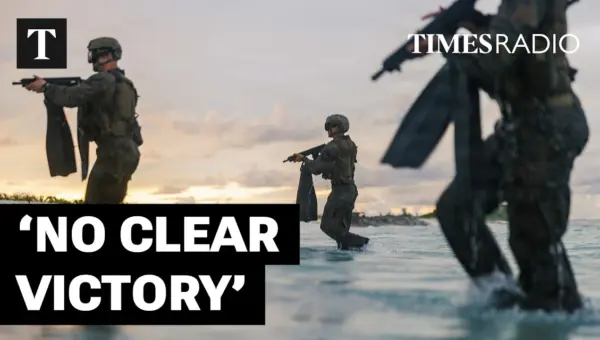
A former British Army officer assesses the recent U.S. troop deployment to the Gulf, stating that 10,000 soldiers are insufficient for a ground invasion of Iran. Justin Crump highlights the increasing risks for U.S. forces and the potential for a prolonged, unstable conflict.
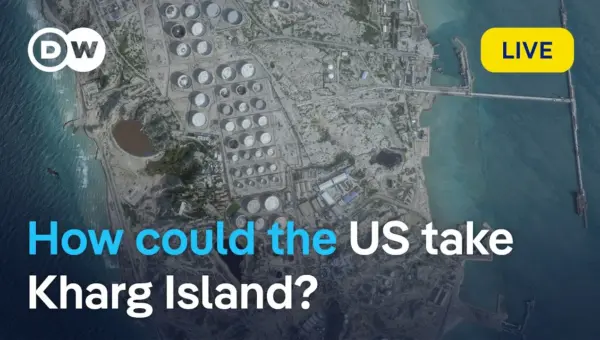
Trump Considers Seizing Iran Oil Hub Amidst Israel-Lebanon Escalation
Amidst escalating regional tensions, former President Donald Trump is reportedly considering the seizure of Iran's primary oil export hub, Kharg Island. This potential move coincides with Israel's increased military operations in Lebanon, raising fears of a wider conflict.

Gulf Allies Back US in Iran Standoff as Europe Falters
Key Gulf allies and Israel are strongly supporting US actions against Iran, contrasting with the hesitant stance of European nations. The US claims military success, but concerns remain about long-term strategic outcomes and the potential for rebuilding Iranian capabilities. The conflict also carries significant economic and geopolitical implications, signaling potential shifts in global alliances and messaging to major powers like China.