US Eyes Iran Deal Amid Shifting Global Tensions
The United States is reportedly considering a new deal with Iran, potentially easing sanctions in exchange for nuclear program restrictions. This strategy shift faces skepticism, with historical parallels and China's significant role in Iran's oil trade adding complexity.

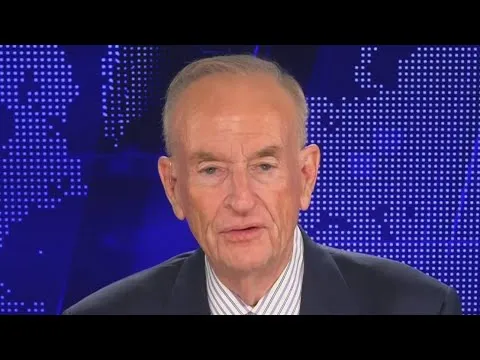
US Considers Deal with Iran as Global Dynamics Shift
The United States may be moving towards a new strategy regarding Iran, shifting from direct confrontation to seeking a deal. This potential change comes as public understanding of the situation is seen as lacking, influenced by media and social media. Many Americans, especially younger ones, get their news from social platforms without deep investigation. This leads to a perception that conflicts are not going well, even when military actions have degraded Iran’s capabilities.
Senator Lindsey Graham, who has regular access to intelligence from the CIA and NSA and speaks often with President Trump, believes Iran’s nuclear program is close to developing weapons. He stated there is a very small chance he is wrong about this assessment. This viewpoint suggests a sense of urgency regarding Iran’s nuclear ambitions.
Public Perception vs. Reality
A recent CBS poll showed 57% of Americans feel the U.S. is not winning the current conflicts. This disconnect between public feeling and military reality is partly blamed on a cultural shift in the U.S. Some believe a growing number of people are more focused on their own lives, driven by a self-centered era amplified by social media. This is compared to historical events, like the end of World War II, where the German people did not rise up against their regime despite Allied pressure.
Historical Parallels and the ‘Deal with Evil’ Debate
The idea of making a deal with Iran, which is described as an ‘evil’ regime, brings up historical questions. Historically, deals have been made with adversaries, sometimes to postpone conflict rather than achieve lasting peace. The Munich Agreement before World War II is cited as an example where a deal, intended to avoid war, ultimately failed. The question remains: can a deal with a regime that chants ‘Death to America’ ever truly work?
The Proposed Deal and Its Hopes
The current thinking within the Trump administration, according to some analysis, is that regime change in Iran is unlikely without a massive military intervention, which is not an option. Therefore, the focus is shifting to a deal. This potential agreement would likely involve Iran agreeing to stop enriching uranium and halt ballistic missile development. In return, the U.S. would ease economic sanctions.
The hope behind such a deal is that Iran’s regime is currently in disarray. It’s believed that if sanctions are lifted and the Strait of Hormuz is reopened for oil trade, the Iranian people might rise up and overthrow the current government. This scenario relies heavily on the internal state of Iran and the potential for popular uprising.
Skepticism and the Role of China
However, there is strong skepticism about making deals with such regimes. The concern is that any promises made by Iran would be temporary, allowing them to grow stronger and pose a future threat. Repeating past mistakes, like the Munich Agreement, is seen as a dangerous path. The U.S. public is urged to remain skeptical of any administration’s promises and to critically assess the situation.
A major factor in this geopolitical puzzle is China. Approximately 80% of Iran’s oil is sold to China, which relies on these supplies. China also gets oil from Russia. It’s believed there might be a back-channel agreement forming between the U.S. and China regarding oil trade. China’s involvement suggests that any military action against Iran’s oil infrastructure could have significant global economic consequences, as China would not want its oil supply disrupted.
Future Scenarios
One possible future involves inspectors being allowed into Iran to monitor its nuclear program and arms development. If Iran refuses or violates the terms, military action could resume, though this would be a harder path. Another scenario is that the deal fails, and tensions continue to escalate, possibly leading to direct conflict. A third, more optimistic scenario, is that the proposed deal, combined with economic pressure, actually does lead to the Iranian people demanding change from within.
Global Impact and Shifting World Order
This potential shift in U.S. policy towards Iran, especially if it involves China, could reshape regional alliances and global power balances. The effectiveness of sanctions as a tool is being tested, and the role of economic dependencies, like oil trade between Iran and China, is becoming more critical. The situation highlights the complex web of international relations, where economic interests, security concerns, and internal politics all play a part in shaping global events.
Source: Can US make a deal with Iran? Bill O’Reilly discusses | On Balance (YouTube)

Related Articles

China Fights Back: Tariffs Loom Ahead of Trump Visit
China is retaliating against US trade investigations that could lead to higher tariffs. This escalating trade tension occurs just before a planned visit by President Trump. The dispute involves accusations of unfair practices and impacts global supply chains.


Israelis Forge Resilience Amidst Constant Bomb Shelter Drills
Life in Israel is a blend of resilience and constant vigilance, with many families adapting to frequent bomb shelter drills and even sleeping in makeshift shelters. Despite ongoing missile attacks, Israelis strive to maintain normalcy, though businesses face disruption and emotional fatigue is a growing concern.


Israel Escalates Iran Strikes, Warns of Wider War
Israel has launched significant strikes inside Iran following continued missile fire, warning of further escalation. The conflict risks wider regional instability and economic disruption, especially concerning the Strait of Hormuz.