US Eyes Border Patrol Shift Amidst City Clash
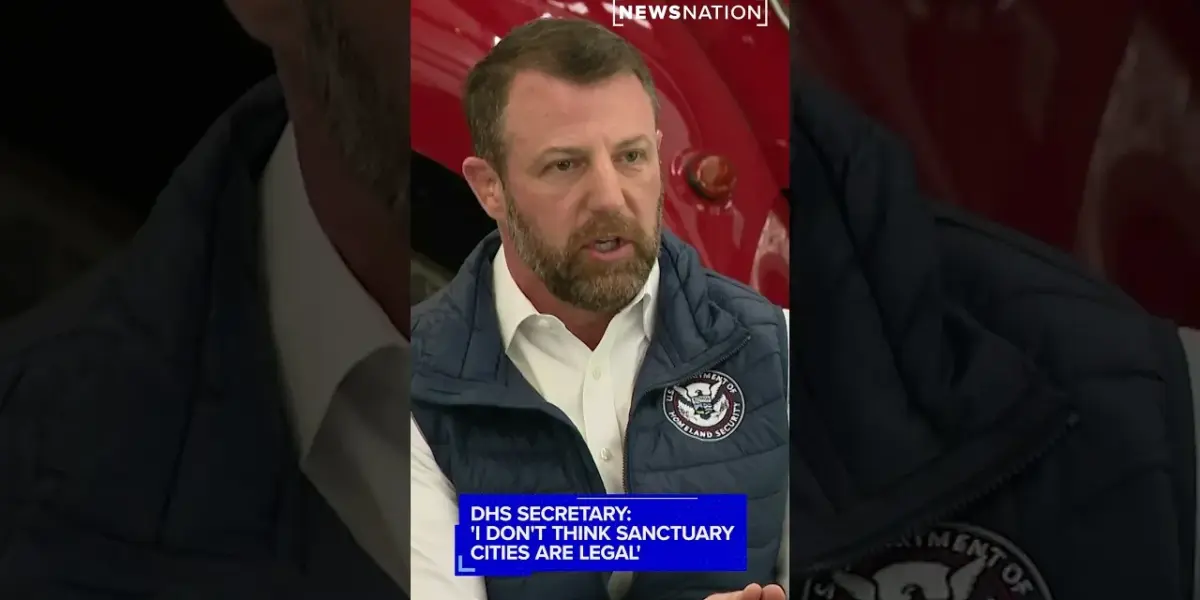
U.S. Homeland Security Secretary Alejandro Mayorkas is considering redirecting border patrol resources away from sanctuary cities that don't enforce immigration laws. He expressed doubt about the legality of these cities and cited funding concerns for border operations. This potential shift could significantly alter federal-local cooperation on immigration.

US Considers Redirecting Border Patrol Resources
The U.S. Department of Homeland Security (DHS) is thinking about changing how and where it puts its border patrol agents. Secretary Alejandro Mayorkas recently spoke about a possible plan. He suggested that border patrol resources might be moved away from areas where local governments, known as “sanctuary cities,” do not cooperate with federal immigration laws. This idea comes as a response to what DHS sees as a lack of funding for border patrol from Democrats. Mayorkas stated that if local authorities are not enforcing immigration laws, DHS should rethink processing immigrants within those cities. He also expressed doubt about the legality of sanctuary cities themselves.
Sanctuary Cities and Immigration Enforcement
Sanctuary cities are communities that have policies in place to limit their cooperation with federal immigration enforcement. For example, they might not allow local police to ask about a person’s immigration status or report undocumented immigrants to federal agencies. The idea behind these policies is often to build trust between immigrant communities and local law enforcement, encouraging reporting of crimes without fear of deportation.
DHS Secretary’s Concerns and Proposed Actions
Secretary Mayorkas explained that DHS relies on local law enforcement in some cases. When border patrol agents at ports of entry apprehend individuals, they sometimes need local police to hold them. This cooperation is crucial for managing the flow of people and resources. However, if local governments are not helping to enforce immigration laws, Mayorkas questioned why DHS should continue to process immigrants within those cities. He sees this as a matter of prioritizing limited resources. “I have to prioritize where I’m putting my custom border patrol,” he said, noting that funding for these operations is a concern.
The Funding Debate
The DHS Secretary pointed to a disagreement over funding for border patrol. He mentioned that Democrats are not willing to provide the funding that he believes is needed. This political disagreement is a key reason why DHS is exploring new strategies. Mayorkas stated, “Democrats aren’t willing to fund custom border patrol. It only makes sense for us to do that.” He emphasized that he is looking at all options to make DHS more efficient and to stop wasting taxpayer money. This includes examining every aspect of how the department operates.
A Question of Legality
A significant part of Secretary Mayorkas’s statement was his personal opinion on sanctuary cities. He said, “I don’t think sanctuary cities are legal.” This suggests a potential legal challenge or a shift in how DHS views the legitimacy of these local policies. If DHS were to act on this sentiment, it could lead to significant friction between federal and local governments across the country.
Potential Impact on International Travel and Trade
The DHS Secretary also touched upon the implications for international travel and imports if customs operations were to change. While the immediate focus seems to be on immigration processing, altering customs and border patrol operations could affect the movement of goods and people across borders. This could involve longer wait times for travelers or delays in shipments, potentially impacting businesses that rely on international trade.
Why This Reshapes the World Order
This proposed shift by DHS represents a potential change in how federal agencies interact with local governments on immigration matters. It highlights a growing tension between federal authority and local autonomy. If DHS were to reduce cooperation or redirect resources away from cities that do not fully comply with federal immigration enforcement, it could create new challenges for immigrant communities and local officials. It also underscores the broader political debate in the United States about border security, immigration policy, and the role of federal versus state and local governments. This could influence how other countries view U.S. immigration policies and potentially affect international relations and cooperation on migration issues.
Future Scenarios
One possible future is that DHS begins to actively redirect resources, leading to more public disputes with sanctuary cities and potentially legal battles over the authority of local ordinances. Another scenario is that this statement serves as a political signal, pushing for increased federal funding and cooperation from cities without immediate policy changes. A third possibility is that discussions with city leaders lead to some form of compromise, though the fundamental disagreement about enforcement priorities and legality remains.
Source: DHS secretary: 'I don't think sanctuary cities are legal' (YouTube)

Related Articles


Teachers Face Crisis Amid Shifting Education Goals
America's teachers are facing a crisis, struggling with declining student engagement and increasing politicization. Author James Patterson's new book highlights these challenges, emphasizing the need to let teachers teach and support their vital role in shaping the nation's future.


Trump’s Violent Video Sparks Outrage, Divides Nation
Former President Donald Trump's decision to post a graphic video of a violent death has sparked intense debate. Critics condemn the act as a distraction and a sign of moral decline, while the incident highlights deep divisions over immigration and political discourse.
Democrats Aid Trump by Focusing on Impeachment
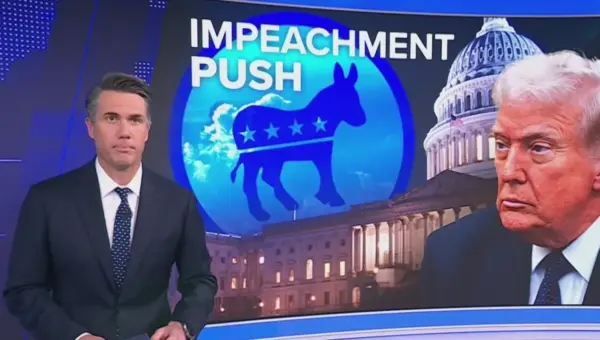
Democrats are inadvertently aiding President Trump by focusing heavily on impeachment efforts rather than addressing key economic issues like inflation and gas prices. This strategy risks alienating voters and distracts from critical foreign policy challenges, potentially impacting global stability and power dynamics.