US Escalates Strikes; Iran Reels, Allies Uneasy
The U.S. has escalated military action against Iran, targeting key infrastructure like its largest bridge and aiming to cripple military capabilities. Iran reports casualties from the bridge attack. Meanwhile, Iran continues missile fire at Israel, while Ukraine's President Zelenskyy warns of a potential wider global war if the conflict prolongs.

US Escalates Strikes; Iran Reels, Allies Uneasy
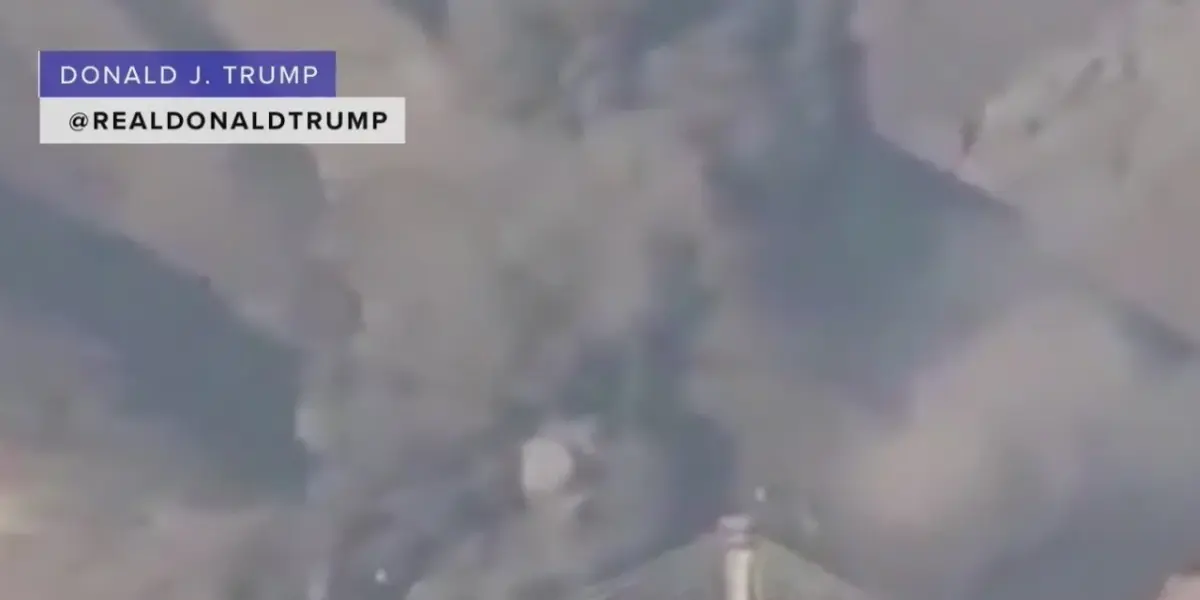
The United States has launched a significant escalation of military action against Iran, targeting key infrastructure and aiming to cripple the nation’s military capabilities. President Trump announced these actions, stating that the military has “just getting started” with destructive strikes. The U.S. military has attacked Iran’s largest bridge, causing it to collapse. Iran reports that eight people were killed and 95 were injured in this attack alone. President Trump posted a video of the bridge’s destruction, signaling a determined U.S. strategy.
U.S. Strategy: Crippling Iran’s Capabilities
The U.S. strikes are designed to limit Iran’s ability to move weapons and supplies. Targeting infrastructure like the B1 Bridge, which connects Tehran to Karaj, directly impacts Iran’s logistical routes. The goal is to degrade Iran’s military capacity. President Trump stated on social media that the U.S. military, described as the “greatest and most powerful by far,” has not yet reached its full potential in damaging Iran. Future targets mentioned include energy sites and electric power plants. The administration believes this pressure is necessary and must be applied quickly.
Israel Under Fire, Defending Its Airspace
Meanwhile, Iran has continued to fire missiles at Israel. Overnight, Iran launched multiple missile salvos. These attacks came from Yemen, Lebanon, and Iran itself. Israeli and American forces are working together to counter these threats. They are focused on hitting Iranian missile sites, launchers, stockpiles, and production facilities. The aim is to push Iran’s forces further away from western and central Iran. However, Israel is surprised that Iran still possesses the ability to threaten its airspace after five weeks of what is being called “Operation Epic Fury.” Damage has been reported in central Israel.
Reports of U.S. Jet Downed
Adding to the tension, Iran’s semi-official state news agency reported that a U.S. fighter jet was shot down over central Iran. The agency released photos claiming to show wreckage of the downed aircraft. As of now, U.S. Central Command has not confirmed or denied this report, leaving its status uncertain.
Ukrainian President’s Warning
Ukrainian President Volodymyr Zelenskyy has been closely watching the escalating conflict in the Middle East. He shared his concerns in an exclusive interview, emphasizing the potential for the war to spread widely. President Zelenskyy urged the United States and other nations to work towards ending the conflict as quickly as possible. He warned that if the war continues for more than a few months, it could escalate into a larger global conflict. He also expressed concern about Iran’s drone production capabilities. Zelenskyy believes that if the conflict drags on, Iran’s ability to produce drones faster than the U.S. can produce interceptors could give Tehran a significant advantage over time.
Global Impact and Future Scenarios
This escalation dramatically increases instability in the Middle East, a region vital for global energy supplies and trade routes. The U.S. strategy of direct infrastructure attacks signals a significant shift from previous containment policies. The potential for a wider war involving multiple regional and global powers is a serious concern. Ukraine’s President Zelenskyy’s warning highlights how interconnected global security has become. A protracted conflict could disrupt international trade, lead to energy price shocks, and create new refugee crises. The uncertainty surrounding the downed U.S. jet adds another layer of risk, potentially leading to further retaliatory actions.
Historical Context
The current U.S. actions echo past periods of intense confrontation with Iran, such as the tanker wars in the Persian Gulf during the 1980s. However, the scale and nature of targeting major infrastructure like bridges represent a new level of direct engagement. Iran’s continued ability to launch missiles at Israel, despite U.S. efforts to degrade its capabilities, demonstrates the resilience of its missile programs, which have been developed over decades with support from various international actors. The involvement of proxies in Yemen and Lebanon also reflects a long-standing pattern of Iran projecting power through non-state actors.
Economic Leverage and Dependencies
While not explicitly detailed in the transcript, U.S. actions targeting energy infrastructure would directly impact global oil and gas markets. Iran’s economy relies heavily on oil exports, and such attacks would aim to further isolate it financially. Conversely, Iran’s ability to continue missile attacks suggests it still possesses resources and support networks that are difficult for sanctions to fully disrupt. The mention of drone production capacity highlights Iran’s development of asymmetric warfare capabilities, which can be a more cost-effective challenge to technologically superior adversaries.
Shifting Power Balances and Alliances
The U.S. strategy of direct, destructive strikes aims to fundamentally alter the regional power balance by weakening Iran. However, this could also strengthen anti-U.S. sentiment and rally support for Iran among certain groups. Israel’s reliance on U.S. support against Iranian threats underscores the deep security ties between the two nations. President Zelenskyy’s concerns suggest that even distant conflicts draw attention from leaders grappling with their own security challenges, highlighting the interconnectedness of global security concerns. The situation tests the resolve of international bodies and the effectiveness of diplomatic solutions in the face of escalating military actions.
Future Scenarios
One scenario is a continued tit-for-tat escalation, with both sides exchanging strikes and increasing the risk of miscalculation. Another is a de-escalation driven by international pressure or the realization of unacceptable costs, perhaps spurred by President Zelenskyy’s warning of a wider war. A third, more concerning scenario, involves the conflict drawing in other regional powers or triggering direct confrontation between the U.S. and Iran, potentially drawing in other global actors. The uncertainty surrounding the downed jet could significantly influence which path unfolds.
Source: US forces strike Iran's largest bridge | Morning in America (YouTube)

Related Articles

Ukraine Rallies Energy Sector Amid Funding Woes
Ukraine is urgently rebuilding its energy sector and preparing for winter amidst delayed European aid. President Zelenskyy highlighted efforts to restore damaged infrastructure and integrate new energy generation, while also discussing international security cooperation and support for veterans.
US Weighs NATO Future Amidst Global Security Shifts
The U.S. is reportedly re-evaluating its commitment to NATO, with "everything on the table" regarding alliance contributions. Experts warn that leaving the current Iranian regime in power poses a "disastrous outcome" for global security and stability.

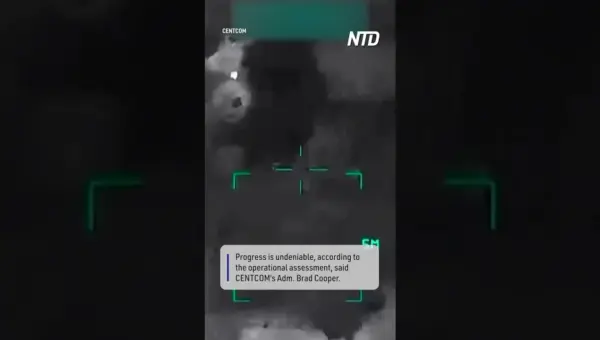
US Strikes Iran: Escalation Fuels 5th Week of Conflict
The U.S. Central Command released video footage of airstrikes targeting Iran, marking the fifth week of conflict. This action underscores the ongoing military engagement and highlights the complex, long-standing tensions between the two nations. The release of combat footage serves strategic communication purposes in modern warfare.