US Escalates Pressure on Iran’s Nuclear and Missile Programs
Former National Security Adviser John Bolton critiques U.S. claims of nearing regime change in Iran, highlighting ongoing military strikes against nuclear and missile facilities. The U.S. demands the dismantling of key Iranian sites, an end to enrichment, and a halt to ballistic missile programs, while Iran seeks an end to aggression.

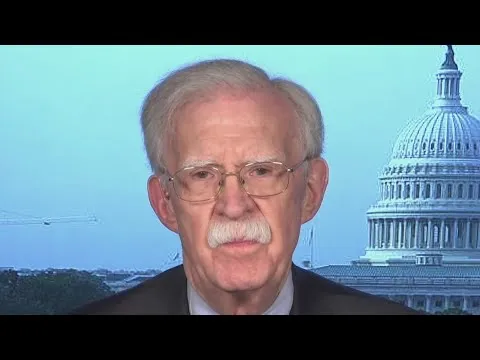
US Pushes for Iran’s Nuclear Site Dismantling Amidst Diplomatic Stalemate
The United States is reportedly seeking the complete dismantling of Iran’s three main nuclear sites, an end to all uranium enrichment, and a halt to its ballistic missile program. These demands, as reported by The Wall Street Journal, also include curbing Iran’s support for regional proxies and reopening the Strait of Hormuz to international shipping. Iran, in turn, is said to want an end to what it calls “aggression and assassinations” and wants to maintain control over the Strait of Hormuz.
Bolton Critiques Negotiation Claims
Former National Security Adviser John Bolton, serving in the first Trump administration, expressed skepticism about the current discussions between the U.S. and Iran. He described the situation not as a negotiation but as significant posturing on both sides. Bolton believes the U.S. objective should be regime change in Iran, arguing that without it, the current confrontational stance from Iran’s leadership will persist indefinitely.
Regime Change Debate: A Misunderstood Strategy?
The White House has suggested that its actions are aimed at regime change, pointing to the removal of top leaders. However, Bolton strongly disagrees with this assessment. He stated that while some leaders have been eliminated, their replacements are often more hardline. The ideology of the current regime, he argues, is what holds it together. Bolton believes that the idea that removing top figures automatically leads to less strict ideologies among their successors is a fundamental mistake.
Military Operations Target Iran’s Capabilities
Admiral Bradley Cooper, commander of CENTCOM, reported that U.S. forces have damaged or destroyed over two-thirds of Iran’s missile, drone, and naval production facilities and shipyards. He emphasized that these operations are ongoing. Bolton indicated that there is no reason to set an artificial time limit for these strikes. Initial estimates suggested a 4 to 6-week timeframe, but damage assessments and new intelligence might extend this period.
Systematic Destruction of Revolutionary Guard Assets
The strategy involves systematically targeting the Islamic Revolutionary Guard Corps (IRGC) and its associated militias. Bolton views these forces as too large and deeply embedded in civilian areas. The focus is on Iran’s nuclear program, ballistic missile production, and facilities that produce anti-ship missiles and other devices capable of mining the Strait of Hormuz. Bolton hopes these sustained actions will destabilize the regime from the top, suggesting it is already beginning to show signs of internal division.
Global Impact
Why This Reshapes the World Order
The escalating military and diplomatic pressure on Iran has significant implications for global stability and energy markets. Iran’s strategic position in the Strait of Hormuz, a vital chokepoint for global oil supplies, makes any conflict or blockade potentially disruptive. The U.S. strategy, as articulated by Bolton, aims to cripple Iran’s military capabilities, particularly its nuclear and missile programs. If successful, this could significantly alter the regional balance of power, potentially weakening Iran’s influence over groups like Hezbollah and Hamas.
Historical Context: Decades of Tensions
U.S.-Iran relations have been fraught with tension since the 1979 Islamic Revolution. The U.S. withdrew from the Joint Comprehensive Plan of Action (JCPOA) in 2018, a deal aimed at limiting Iran’s nuclear program in exchange for sanctions relief. This withdrawal was followed by the re-imposition of stringent U.S. sanctions. The current military actions represent a more direct confrontational approach than diplomatic efforts, building on a history of proxy conflicts and sanctions regimes designed to isolate and pressure Tehran.
Economic Leverage and Regional Alliances
Economic sanctions have been a primary tool for the U.S. to pressure Iran. However, Iran has sought to circumvent these sanctions through various means, including illicit oil sales and regional partnerships. The U.S. military operations aim to degrade Iran’s ability to project power and fund its proxies, thereby impacting its economic and military leverage. Regional actors like Saudi Arabia and Israel, who view Iran as a major threat, likely support this increased pressure, while countries like Russia and China may seek to maintain or increase their ties with Iran, creating further geopolitical complexity.
Future Scenarios
Several future scenarios could unfold. One possibility is that the sustained military pressure forces Iran to significantly alter its behavior or negotiate under duress. Another is that Iran retaliates through its proxies or by disrupting oil flows, leading to a broader regional conflict. A third scenario involves the internal destabilization of the Iranian regime, potentially leading to significant political change, though Bolton cautions this is a long and uncertain process. The effectiveness of U.S. strikes in permanently disabling Iran’s advanced weapons programs remains a critical question.
Source: John Bolton: Trump’s claims of regime change in Iran ‘simply not true’ | The Hill (YouTube)

Related Articles

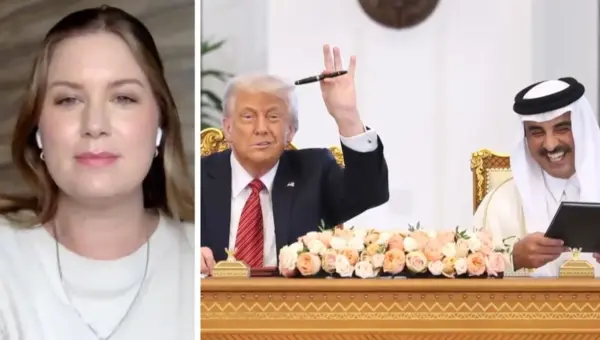
Gulf States Demand Seat at Table on Iran’s Nuclear Future
Gulf states are demanding a seat at the table for any U.S.-Iran talks regarding Iran's nuclear future. This move reflects a growing assertiveness and a desire to shape regional security directly. It signals a potential shift towards more inclusive diplomatic efforts in the Middle East.
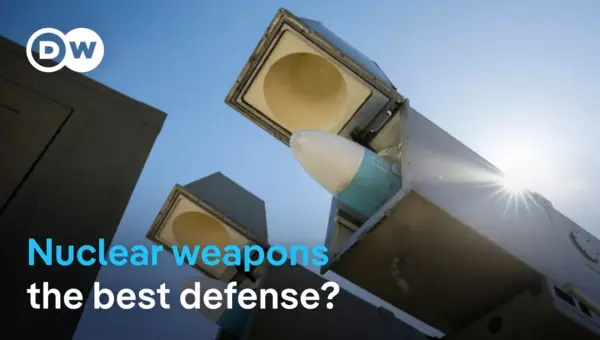
Iran War Sparks Nuclear Fears: Is a Global Arms Race Brewing?
The conflict in Iran has heightened global fears of nuclear proliferation and a potential arms race. Experts warn that Iran may pursue nuclear weapons if its current deterrence fails, while historical examples show the dangers of unchecked nuclear ambitions. The world faces uncertain scenarios, ranging from renewed diplomatic efforts to a dangerous escalation of nuclear threats.

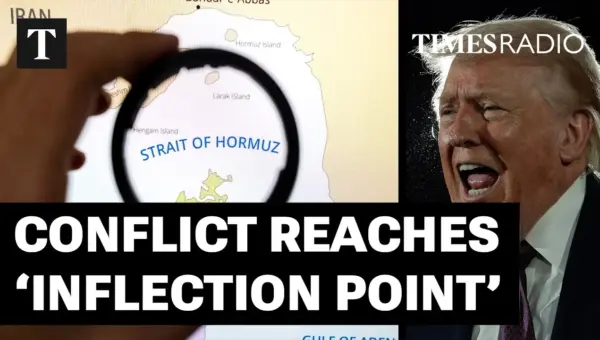
US & Iran at ‘Inflection Point’ as Global Energy Markets Threatened
Global tensions have reached a critical 'inflection point' as Iran's actions threaten energy markets and vital shipping lanes. While the US military reports progress on its objectives, diplomatic uncertainty and global economic impacts loom large. Experts discuss the challenges of reopening key waterways and the broader threat of disinformation campaigns.