US Escalates Iran Tensions: Troops Deploy, Markets Reel
The U.S. is increasing its military presence in the Middle East amid escalating tensions with Iran, leading to a surge in oil prices and market instability. President Trump is considering sending more troops as diplomatic talks remain uncertain. Meanwhile, a funding dispute over the Department of Homeland Security continues, impacting federal workers and airport security.

US Sends More Troops to Middle East Amid Iran Conflict
The United States has increased its military presence in the Middle East, deploying additional forces as tensions with Iran escalate. This move comes as financial markets react negatively, with oil prices surging. The ongoing conflict, now in its second month, has seen 13 U.S. service members killed and over 300 wounded.
President Trump Weighs Next Steps in Iran Standoff
President Trump is reportedly considering sending thousands more troops to the region, leaving open the possibility of ground operations in Iran. Meanwhile, the status of diplomatic negotiations between Washington and Tehran remains unclear. Both sides have indicated a willingness to talk, with messages being exchanged, but specifics on who, what, and when are still pending.
“We think there will be meetings this week. We’re certainly hopeful for it. Our ships are passing, that’s a very, very good sign,” said an administration official regarding potential talks.
Economic Impact: Markets Tumble, Oil Prices Soar
The growing uncertainty surrounding the conflict has impacted global markets. The Dow Jones and NASDAQ have both entered correction territory, signaling investor concern. The price of oil has climbed significantly, hitting $112 a barrel, a 55% increase since the war began. President Trump has maintained that Iran is eager to negotiate, stating, “They’re begging to make a deal, not me.”
Senator Lankford on Military Objectives and Strategy
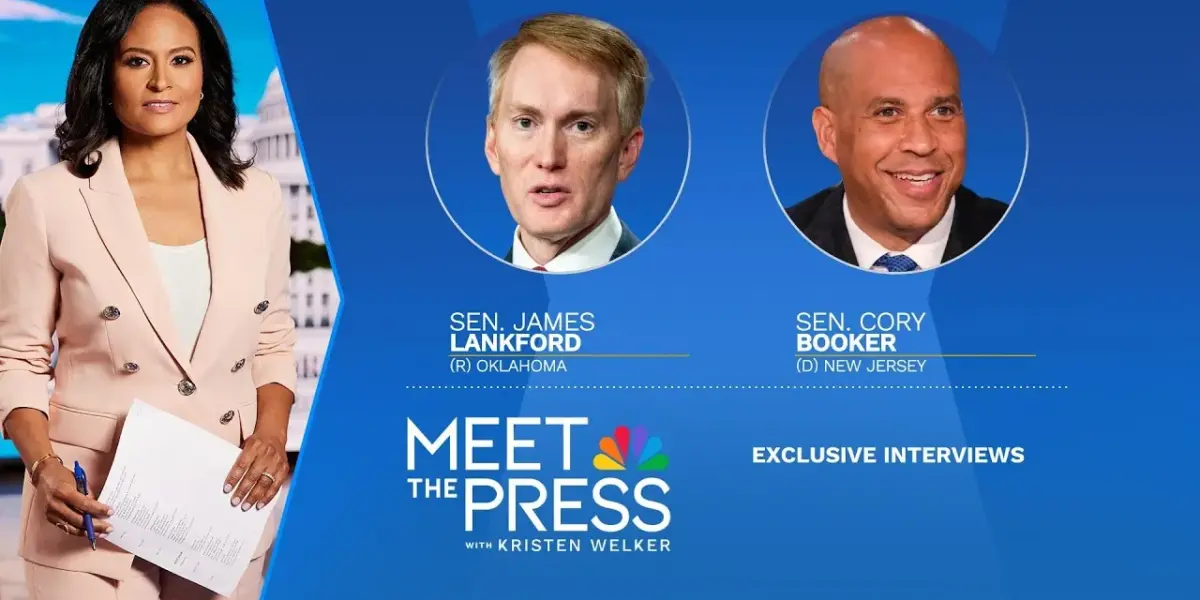
Republican Senator James Lankford discussed the administration’s stated military objectives in Iran. He believes key goals, such as halting Iran’s ballistic missile and drone production, stopping its nuclear program, and preventing the closure of the Strait of Hormuz, have been largely met. However, he acknowledged that “there’s still work to be done” and the situation is “not over by any means.”
Regarding the destruction of Iran’s missile arsenal, Senator Lankford clarified the focus on missile launchers, stating, “You can’t launch the missile without the launcher itself.” He explained that the strategy involves taking out production capabilities and individual launchers to prevent attacks.
Debate Over Ground Troops and Congressional Approval
The possibility of deploying U.S. boots on the ground in Iran has sparked debate. Senator Lankford suggested that while the initial military objectives might be achievable without a large-scale ground presence, additional troops are being sent to “put pressure on Iran to finish the negotiation.” He differentiated between special forces conducting specific operations and a long-standing occupation, noting that congressional approval might be necessary for the latter.
President Trump has referred to military actions as “military operations” to avoid seeking congressional approval, a distinction Senator Lankford questioned. He stated, “I would say the people of Iran believe this is a war.” Lankford indicated that Congress would likely engage more directly when supplemental funding requests are made.
Sanctions Relief and Global Ramifications
The administration has temporarily waived sanctions on Russian and Iranian oil to mitigate supply shocks caused by the war. Senator Lankford addressed concerns that this relief could benefit Russia, particularly President Putin. He argued that the U.S. has taken action to prevent Iran from supplying one-way attack drones to Russia, a key weapon for Moscow.
He described the sanctions relief on oil as a measure to manage global price shocks while pursuing the “terrorist regime in Iran,” calling it a “difficult balancing act.” Senator Lankford emphasized that substantial sanctions remain on Russia, which he believes is a “brutal regime.”
Homeland Security Funding Stalemate
The discussion also turned to the ongoing funding dispute for the Department of Homeland Security (DHS). House Republicans rejected a Senate deal that would have funded DHS but excluded funding for Customs and Border Protection (CBP). Senator Lankford explained the Republican position, citing Democrats’ reluctance to fund Immigration and Customs Enforcement (ICE) and CBP and their demands for changes to ICE operations.
He mentioned that Republicans had pre-funded ICE and CBP in a previous bill due to anticipated Democratic opposition. Issues raised include ICE’s presence at polling places, the use of body cameras, and limitations on Border Patrol’s operational areas. Senator Lankford expressed frustration over the repeated blocking of funding bills and the impact of the shutdown on federal workers and national security, particularly cybersecurity professionals.
Senator Booker Criticizes Trump’s Iran Policy and Leadership
Democratic Senator Cory Booker strongly criticized President Trump’s handling of the Iran conflict, calling it a “colossal failure in presidential leadership” and “one of the greatest blunders of our time.” He argued that the administration has failed to achieve its stated objectives, including regime change, and has instead empowered a more extreme regime.
Senator Booker highlighted the human and economic costs of the war, including American lives lost and wounded, and the significant spending involved. He also criticized the President for not seeking congressional authorization for what he described as the “biggest military engagement we’ve had since the war in Afghanistan.” Booker characterized Trump as a “man of chaos and corruption” whose actions are creating a global crisis.
Booker on ICE Policies and the Government Shutdown
Regarding the DHS funding fight, Senator Booker echoed concerns about ICE operations. He stated, “I don’t want ICE, masked people jumping out of unmarked cars slamming Americans to the pavement and barreling into their homes without sufficient warrants.” He also opposed ICE presence in churches, schools, hospitals, courthouses, and polling places.
Booker criticized Republicans for rejecting a Senate deal that would have funded TSA and FEMA but not ICE, calling it an attempt to “continue the chaos at the airport until you give us more money for this out of control reckless ICE agency.” He argued that presidents have the power to pay essential workers and questioned why this was not done sooner.
Looking Ahead: Unity and Political Future
Senator Booker also discussed his new book, “Stand,” emphasizing the need for unity and a departure from partisan division. He called for “new leadership” and a “renewal” of the country, warning that the left-right divide is “killing our country.” He expressed hope for a future where Americans can find common ground and work together to address challenges like artificial intelligence and robotics.
When asked about his own political future, Senator Booker did not rule out a presidential run, stating that he and his wife are “excited about whatever challenges we may take on as a couple.” He reiterated his message of love and fighting adversaries with “verocity” rather than hate, drawing a distinction between disagreeing with policies and harboring personal animosity.
Broader Implications and Future Concerns
The escalating conflict with Iran and the domestic political battles over funding and policy raise significant concerns. The economic fallout, particularly the rise in oil prices, could have widespread effects. The debate over presidential authority in military engagements and the role of Congress remains a critical issue. The ongoing shutdown highlights deep partisan divides and challenges in addressing national security and domestic needs simultaneously. The situation underscores the complex geopolitical landscape and the domestic political pressures shaping U.S. foreign policy and domestic governance.
What to Watch Next
Moving forward, attention will be on whether diplomatic channels with Iran yield tangible results and how the U.S. military posture evolves. The resolution of the Homeland Security funding dispute and the potential for future government shutdowns will be closely monitored. Additionally, any further pronouncements or actions from President Trump regarding Iran and congressional oversight will be critical to observe.
Source: Meet the Press Full Episode — March 29 (YouTube)

Related Articles


Trump Eyes Iran Invasion as Fox Pushes for War
Reports indicate the Pentagon is preparing for ground operations in Iran, potentially deploying thousands of U.S. troops. Simultaneously, some Fox News hosts are actively advocating for military intervention, focusing on Iran's uranium program. This situation raises serious questions about the path to conflict and the media's role in shaping public opinion.
Marines Surge to Strait of Hormuz Amid Escalation
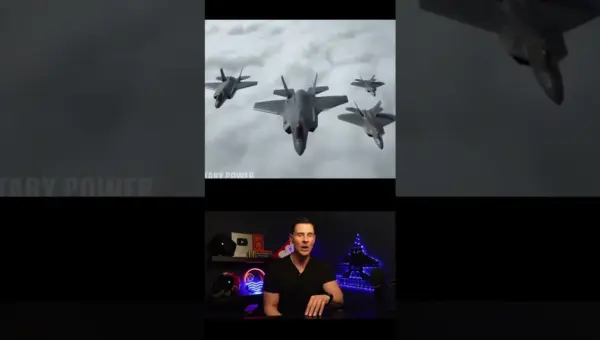
The 31st Marine Expeditionary Unit has arrived in the Middle East with F-35B stealth fighters, signaling a new phase in Operation Epic Fury. Their mission includes securing the Strait of Hormuz and deterring Iranian threats. The deployment emphasizes the critical need for air superiority before committing ground forces.
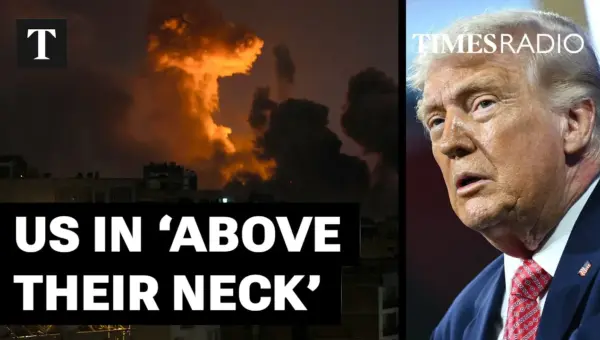
US Overreaches in Iran Standoff, Experts Warn
U.S. military experts warn President Trump has overextended American capabilities in the escalating standoff with Iran. With significant troop deployments and Iranian threats, the situation is precarious. Experts call for a clear strategy and a diplomatic "off-ramp" to avoid wider conflict.