US Escalates Iran Strikes, Long War Looms
The United States is pursuing a prolonged military campaign against Iran, aiming to systematically destroy its military capabilities and destabilize the regime. Ambassador John Bolton indicated the operation will continue indefinitely until targets are eliminated, signaling a long-term commitment beyond initial estimates.


US Intensifies Iran Campaign, Prolonged Conflict Expected
The United States appears committed to a sustained military campaign against Iran, rejecting any fixed timeline for its operations. This long-term strategy signals a significant escalation, moving beyond short-term objectives to systematically dismantle key Iranian military capabilities. The focus is on the Islamic Revolutionary Guard Corps (IRGC) and its affiliated forces, including their nuclear and missile programs.
Bolton Outlines Extended Military Objectives
Ambassador John Bolton, a former National Security Advisor, indicated that the initial estimates of four to six weeks for military action are likely to be exceeded. He suggested that the campaign will continue until all identified targets are destroyed. This includes facilities producing ballistic missiles and drones, as well as anti-ship weapons capable of threatening vital shipping lanes like the Strait of Hormuz. The goal is not just to degrade capabilities but to destabilize the Iranian regime itself.
Systematic Destruction of Iranian Military Assets
The U.S. strategy involves a methodical approach to targeting. This includes not only known nuclear and missile sites but also any newly discovered facilities. The IRGC’s Quds Force and its paramilitary groups are primary targets. The aim is to cripple Iran’s ability to project power and develop advanced weaponry. Destroying infrastructure for naval mines and swift boats is also a priority, directly impacting maritime security in critical waterways.
Regime Destabilization as a Core Goal
Beyond military destruction, a key objective is the destabilization of the Iranian government. Bolton expressed hope that the sustained pressure will lead to the regime’s collapse from within. He acknowledged that this process is ongoing and may take considerable time. The comparison to children asking “Are we there yet?” highlights the administration’s expectation of a lengthy operation, dismissing calls for a swift conclusion.
Historical Context and Strategic Implications
This prolonged campaign echoes historical U.S. military engagements that extended beyond initial projections. The focus on dismantling a nation’s military and nuclear programs has significant geopolitical implications. It signals a willingness to engage in protracted conflict to achieve strategic objectives, potentially altering regional power dynamics. The targeting of the IRGC, a key pillar of the Iranian state, suggests a strategy aimed at fundamental regime change or severe weakening.
Economic and Regional Ramifications
While the transcript focuses on military actions, the economic impact is significant. Sanctions likely accompany or precede these strikes, aimed at cutting off funding for Iran’s military programs. The disruption of shipping in the Strait of Hormuz, if successful, would have severe global economic consequences, impacting oil prices and international trade. Regional actors, including U.S. allies like Israel and Saudi Arabia, and rivals like Russia and China, will be closely watching these developments and potentially adjusting their own strategies in response to a weakened or destabilized Iran.
Future Scenarios and Global Impact
The prolonged nature of this conflict opens several potential future scenarios. One possibility is the successful degradation of Iran’s military capabilities, leading to internal instability and a change in the regime’s behavior or leadership. Another scenario involves a protracted, attritional conflict that drains U.S. resources and potentially draws in other regional powers. A less likely but possible outcome is a significant escalation by Iran in response to sustained attacks, leading to a wider regional conflict. The global impact will be felt through continued oil market volatility, shifts in regional alliances, and a reassessment of international security strategies regarding Iran and its nuclear ambitions.
Why This Reshapes the World Order
The U.S. commitment to a long-term, destructive campaign against Iran signifies a more assertive and potentially interventionist foreign policy. It suggests a willingness to use sustained military force to achieve strategic goals, even if it means prolonged conflict and regional instability. This approach could embolden other powers to pursue similar strategies elsewhere or, conversely, lead to a more cautious approach due to the demonstrated costs and complexities. The long-term implications for global energy markets, international diplomacy, and the future of the Middle East are profound.
Source: War in Iran 'takes as long as it takes': Amb. John Bolton (YouTube)

Related Articles

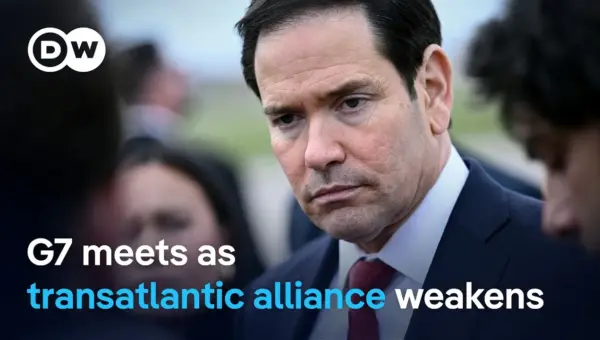
G7 Allies Clash Over Iran War Strategy, Urge Focus on Russia
G7 foreign ministers met in Paris, revealing deep divisions over the U.S. war with Iran. European allies urged the U.S. to pressure Russia, linking its actions to the conflict and fearing support for Ukraine will wane.

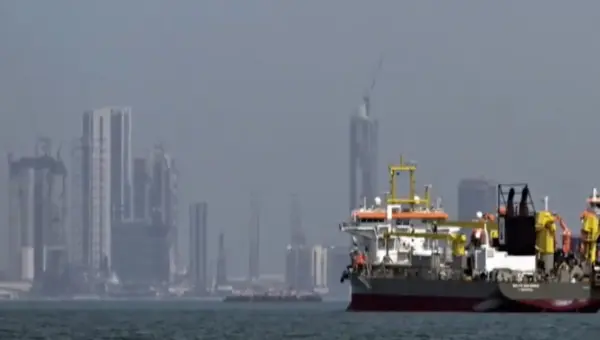
Iran Blocks China Ships, Exposing Beijing’s Weak Grip
Iran's recent decision to block Chinese ships at the Strait of Hormuz is exposing the limits of Beijing's influence in the Middle East. This action is causing delays and cancellations for Chinese manufacturers, turning a perceived geopolitical win into an economic strain.
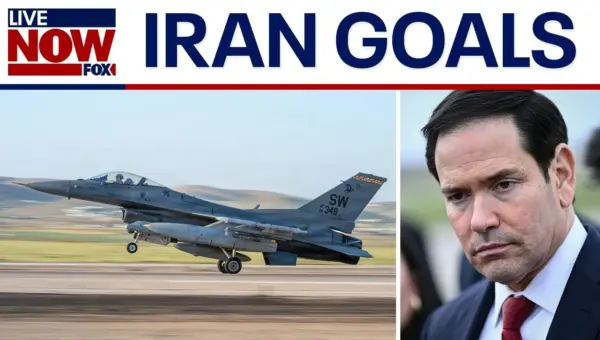
Rubio: US Can Achieve Iran War Goals Without Troops
Senator Marco Rubio outlined a strategy to counter Iran without deploying U.S. ground troops, focusing on weakening the regime and enhancing maritime security. He also criticized Cuba's economic system and expressed concerns about West Bank violence.