US Escalates Iran Attacks: Bombs Pound Targets, Leader Falls
The United States military has launched a significant escalation of attacks against Iran, targeting underground missile facilities, military infrastructure, and coastal defenses. A senior Iranian commander was killed in the operations. Despite intense strikes, Iran continues to launch missiles and drones, while negotiations remain stalled.

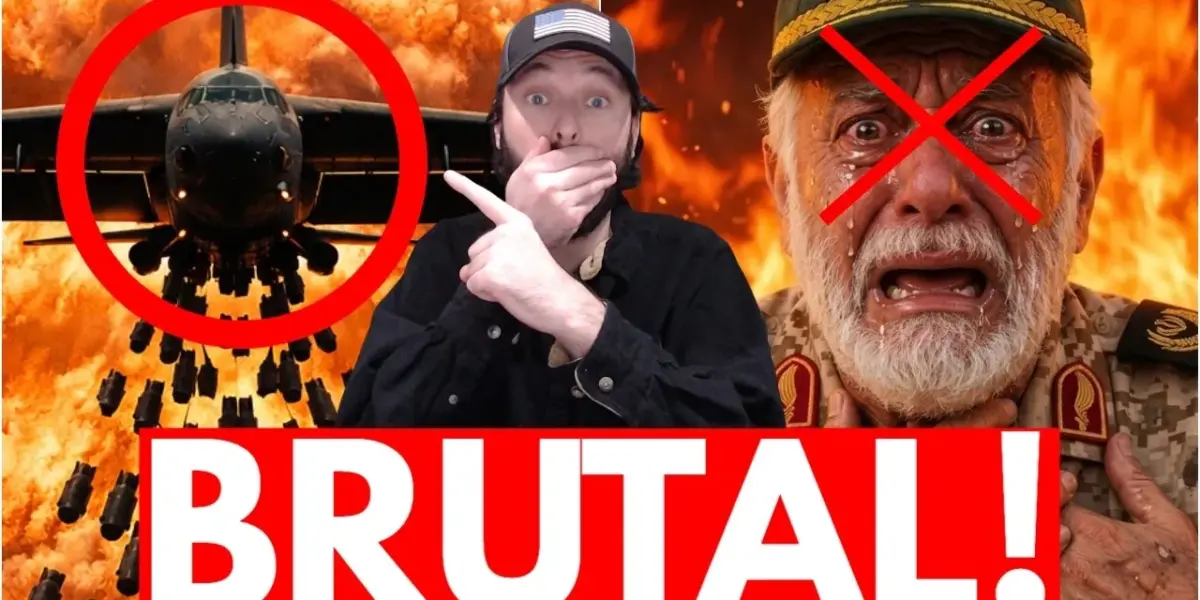
US Intensifies Strikes on Iran, Targeting Key Infrastructure
The United States military has launched a new wave of massive attacks across Iran, hitting a wide range of targets. These strikes, which began before and continued after President Donald Trump’s recent speech, have focused on underground missile facilities, military infrastructure, and key ports. The goal appears to be weakening Iran’s military capabilities and preparing for potential future ground operations.
Underground Missile Sites and Coastal Defenses Hit
Footage shows significant damage to underground missile facilities, with multiple large explosions and smoke columns indicating the use of powerful bunker-buster bombs. These hidden sites are seen as crucial for Iran’s missile program. Additionally, the port of Qeshm, considered a strategically important location for potential ground troop landings and controlling the Strait of Hormuz, has been heavily bombed. This action aims to soften defenses along the coast, especially after a recent missile strike on a shipping vessel.
“We are targeting every underground hardened facility we can find. We are trying to bomb that to take that card away from the Iranian regime.”
Airport and Highway Infrastructure Targeted
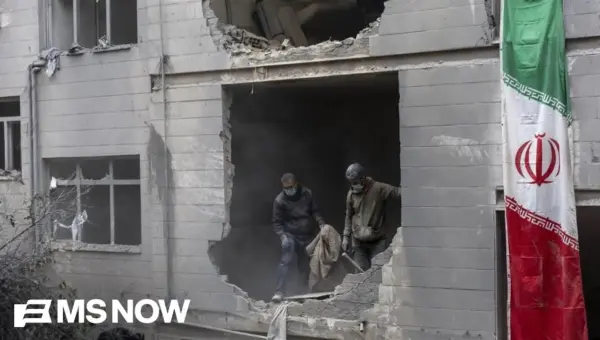
Air strikes have also hit an airport in eastern Iran, and footage shows heavy smoke rising from the Hamadan Highway in Tehran. These strikes suggest a broad effort to disrupt Iran’s transportation and logistical networks. The United States military, under what is being called “Operation Epic Fury,” is systematically dismantling Iran’s air and missile defense systems, with reports indicating they have been largely destroyed.
Key Iranian Commander Eliminated
In a significant development, a senior Iranian commander has been killed. Muhammad Ali Fathalizadeh, identified as the commander of the IRGC’s Fataheen unit – their special operations or commando force – is reported dead. This unit is considered Iran’s equivalent to special forces. He is also believed to have been responsible for targeting civilians during recent protests. This marks another blow to Iran’s leadership structure.
Iran Continues Launches Amidst Escalation
Despite the intense U.S. strikes, Iran has continued to launch missiles and drones. One video, though its exact timing is unconfirmed, allegedly shows an Iranian ballistic missile hitting a target in Jordan, with U.S. interceptors failing to stop it. The United Arab Emirates (UAE) has also reported a significant number of ballistic missile and drone attacks from Iran in the past 24 hours. It is suggested that Iran is targeting the UAE in hopes they will pressure the U.S. to end the conflict, a strategy that has not yet yielded results.
Potential Ground Operation: Seizing Uranium
New details suggest a plan is in place for a potential ground operation to seize 1,000 pounds of highly enriched uranium from Iran. This operation would involve flying in excavation equipment and building a runway for cargo planes to remove the radioactive material. U.S. special operations and Air Force units possess the capability to rapidly construct runways in hostile territory, a tactic previously used in Afghanistan. This plan highlights the seriousness of concerns regarding Iran’s nuclear program.
Negotiations Stalled, Iran Believes It Holds the Upper Hand
Multiple U.S. intelligence agencies assess that the Iranian government is currently unwilling to engage in serious negotiations to end the war. Iran reportedly believes it is in a strong position and does not need to meet American diplomatic demands. While open channels are maintained, Iran’s distrust of the U.S. and President Trump remains high. This stance is viewed by U.S. officials as a miscalculation, with predictions of severe consequences for Iran if they continue to believe they have the advantage.
President Trump’s Stance and Future Threats
President Trump has spoken about Iran’s advanced missile capabilities, including weapons with ranges longer than previously believed, and stated that these have been taken out. He has also indicated that while military objectives are close to being met, there will be two to three more weeks of heavy bombing. Trump has issued a stark warning: if Iran does not comply or surrender, power plants and oil energy infrastructure will become the next targets. This signals a clear escalation strategy aimed at forcing Iran’s capitulation.
Why This Matters
The intensified U.S. military actions against Iran, including the destruction of key infrastructure and the elimination of a senior commander, represent a significant escalation in the ongoing conflict. The focus on underground facilities and coastal defenses suggests preparation for broader military engagements, potentially including ground operations. The stalled negotiations and Iran’s perceived strong position indicate a prolonged and possibly more dangerous phase of the conflict ahead. The threat to Iran’s nuclear sites and energy infrastructure raises the stakes considerably, with potential global implications for energy markets and regional stability.
Implications, Trends, and Future Outlook
This escalation points to a clear U.S. strategy of applying maximum military pressure. The targeting of specific Iranian military assets and leadership suggests a deliberate effort to degrade Iran’s ability to wage war and project power. The continued Iranian missile and drone launches, even against non-belligerent nations like the UAE, show a persistent threat and a willingness to retaliate, albeit through proxies or indirect means. The U.S. plan to seize enriched uranium, if enacted, would be a major development in preventing Iran from acquiring nuclear weapons, but it carries immense risks. The future outlook suggests a continued period of intense military activity, with the possibility of ground operations looming. Diplomatic channels appear to be at a standstill, making a military resolution more likely, though the exact scope and duration remain uncertain.
Historical Context
The current conflict is unfolding against a backdrop of decades of tension between the United States and Iran. Key historical moments include the 1979 Iranian Revolution, the subsequent hostage crisis, and Iran’s support for various militant groups in the region. U.S. policy has often focused on containing Iran’s influence and preventing its nuclear ambitions. Recent years have seen fluctuating relations, including the withdrawal of the U.S. from the Iran nuclear deal and subsequent sanctions. This current phase of direct military action represents a significant departure from previous containment strategies and indicates a more aggressive posture by the U.S.
Source: BREAKING: U.S. Bombers OBLITERATE Iran – Senior Leader KILLED (YouTube)

Related Articles
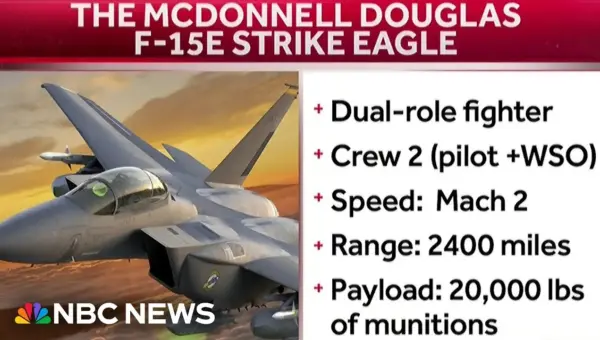
US Pilot Rescued After F-15 Jet Shot Down Over Iran
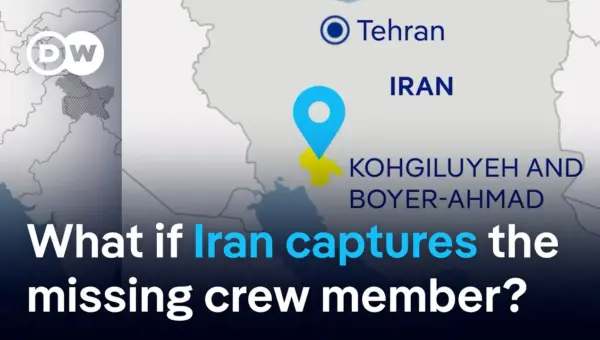
One U.S. pilot has been rescued alive after their F-15 fighter jet was shot down over Iran, U.S. officials confirmed. Search and rescue efforts are ongoing for a second pilot who remains unaccounted for. The incident challenges previous U.S. claims of full control over Iranian airspace.
US Fighter Jet Downed in Iran; One Crew Member Rescued
A U.S. fighter jet was shot down over Iran, triggering a high-risk rescue mission. One crew member has been reportedly rescued, but the status of the second remains unknown. The incident raises questions about Iran's air defense capabilities and could impact U.S. public support for the ongoing conflict.
Iran Downs US Jet, Pilot Missing Amid Propaganda Victory
An American F-15 fighter jet was shot down by Iranian forces, marking a significant propaganda victory for Iran and challenging U.S. claims of diminished Iranian air power. One pilot has been rescued, but the second remains missing amid a tense search and rescue operation.