US Escalates Bombing of Iran, Ground Invasion Looms
The United States has dramatically increased its bombing campaign against Iran, deploying heavy bombers and reportedly targeting leadership and key industrial sites. With ceasefire talks stalled and ground troops arriving, a full-scale invasion appears increasingly likely. This escalation follows a pattern of heightened tensions and carries significant global implications.


US Intensifies Strikes on Iran Amidst Escalating Conflict
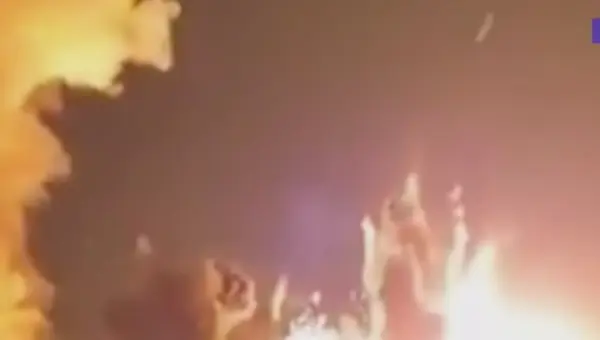
The United States has significantly ramped up its bombing efforts against Iran, with heavy strategic bombers like the B-2, B-52, and B-1 reportedly involved. This increased aerial assault comes as a potential ceasefire deal seems unlikely, suggesting a strategy of escalating pressure to force a resolution. The intensity of the bombings, described as “insane” and “unbelievable power,” is evident from the footage showing large explosions, flashes in the sky, and thick smoke rising from targeted areas.
Reports indicate that strikes have hit locations such as Shiraz and Tehran, including areas near the airport. The sheer volume of bombs dropped has created widespread smoke, obscuring visibility at the strike sites and highlighting the extensive damage being inflicted. One observer noted the surreal nature of watching such powerful ordnance hit its targets.
Targeting Leadership and Infrastructure
The intensified bombing campaign appears to be having a direct impact on Iran’s leadership. Several senior commanders of the Islamic Revolutionary Guard Corps (IRGC) have reportedly been killed in recent strikes. The transcript mentions the death of General Muhammad Hussein Shakami, following the killing of six other senior leaders just the day before. This suggests that the air strikes are significantly affecting the command structure of the Iranian regime, with the life expectancy of senior officials described as “not very, very high.”
Beyond leadership, the U.S. has also focused on crippling Iran’s industrial capabilities. The transcript highlights the destruction of Iran’s steel manufacturing sector, with three major steel plants, including one responsible for half the country’s steel production, reportedly blown up. This move aims to prevent Iran from rebuilding its infrastructure once the conflict concludes.
Shifting Israeli Strategy and Economic Targets
Adding another layer to the conflict, Israel has reportedly shifted its strategy to target Iran’s economic infrastructure. According to reports from The Times of Israel, this approach aims to create conditions that could lead to the downfall of the Iranian regime. While the U.S. has focused on steel production, Israel is expected to target the electrical grid, oil refineries, and other key industries that support the regime. The goal is to economically cripple Iran and weaken its ability to sustain itself.
Military Buildup and Ground Operations Imminent?
The military activity extends beyond air power. The transcript notes the deployment of more A-10 Warthog aircraft to the Middle East, indicating continued air support. Additionally, advanced military assets like the E-2D Advanced Hawkeye, an early warning and command control aircraft, are in the region, likely operating from aircraft carriers like the USS Abraham Lincoln. These assets are crucial for coordinating strikes, tracking threats, and gathering intelligence.
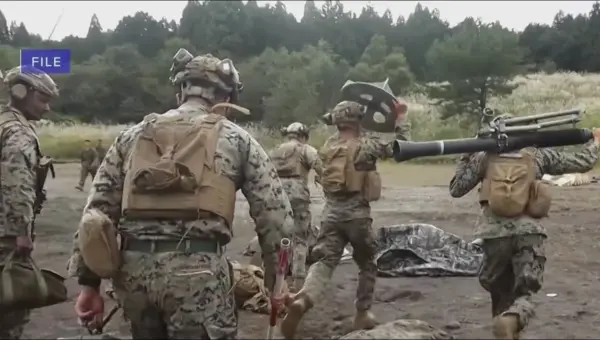
Perhaps the most significant development is the arrival of thousands of additional U.S. ground troops. Elements of the 82nd Airborne Division, including logistics and communications specialists, have landed in the Middle East. These forces are reportedly poised for potential ground operations, possibly including airborne assaults on strategic islands or coastal areas. The objective could be to secure key points, such as Car Island, to disrupt Iran’s ability to threaten shipping in the Strait of Hormuz.
Iran’s Defiance and the Path Forward
Despite the intense military pressure, Iran’s stance remains defiant. The Iranian foreign ministry has stated that no negotiations are ongoing, reinforcing the narrative of “escalation to de-escalate.” This suggests that Iran is not seeking a peaceful resolution and that the conflict is expected to continue. The transcript quotes Caroline Levit, who states that nearly 70% of Iran’s missile, drone, and naval production facilities have been damaged or destroyed, significantly reducing their future threat capabilities.
However, a substantial number of targets, estimated to be around 3,500, remain unhit. The arrival of ground troops, coupled with the ongoing air campaign and the targeting of economic infrastructure, signals a potential shift towards a more comprehensive military engagement. The situation remains highly volatile, with the possibility of direct ground combat increasing as U.S. forces position themselves for further action.
Why This Matters
The escalating military actions between the U.S. and Iran carry significant global implications. The intensification of bombing and the deployment of ground troops suggest a move towards a more direct and potentially prolonged conflict. This could destabilize the Middle East further, disrupt global energy markets, and lead to a humanitarian crisis. The rhetoric from both sides indicates a lack of immediate diplomatic solutions, making military engagement the primary focus.
Historical Context
Tensions between the U.S. and Iran have a long and complex history, dating back to the 1953 coup and intensifying after the 1979 Islamic Revolution. Decades of sanctions, proxy conflicts, and diplomatic standoffs have created a deeply entrenched animosity. Recent years have seen a particular spike in tensions, marked by the U.S. withdrawal from the Iran nuclear deal and subsequent military confrontations.
Trends and Future Outlook
The current situation reflects a trend of increasing military pressure as a diplomatic tool. The strategy of “escalation to de-escalate” suggests a belief that overwhelming force can compel an adversary to concede. However, this approach carries immense risks of unintended escalation and wider conflict. The involvement of multiple military branches and advanced technology highlights the sophisticated nature of modern warfare. The future outlook remains uncertain, with the possibility of ground operations potentially leading to a significant escalation of the conflict. The economic targeting strategy by Israel, if adopted more broadly, could also have long-term consequences for Iran’s stability and its role in the region.
Source: BREAKING: U.S. Drops INSANE Bombs On Iran – Invasion IMMINENT (YouTube)

Related Articles


Gulf Allies Urge Trump to Continue Iran Conflict
U.S. allies in the Persian Gulf are urging President Trump to intensify military action against Iran, believing Tehran has not been sufficiently weakened. The ongoing conflict raises concerns about regional stability and global energy prices, while questions linger about the administration's long-term strategy.

Middle East Conflict Sends Gas Prices Soaring Past $4
The national average gas price has surpassed $4 per gallon for the first time since 2022, driven by escalating conflict in the Middle East. Recent attacks on oil tankers and military strikes have heightened fears of energy supply disruptions, impacting consumers globally.
US Weighs Troop Deployment Amid Iran Deal Push
The U.S. is considering deploying ground troops to Iran while simultaneously pushing for a diplomatic deal to reopen the Strait of Hormuz. Air strikes are ongoing as President Trump increases pressure on Iran.