US Envoy Vance Navigates Pakistan Talks for Iran Ceasefire
Vice President JD Vance is leading high-stakes peace talks in Pakistan with Iranian leaders, aiming to preserve a fragile ceasefire. The negotiations face uncertainty regarding Iranian representation and are complicated by Israeli military actions in Lebanon. A key U.S. demand is ensuring safe passage through the Strait of Hormuz.

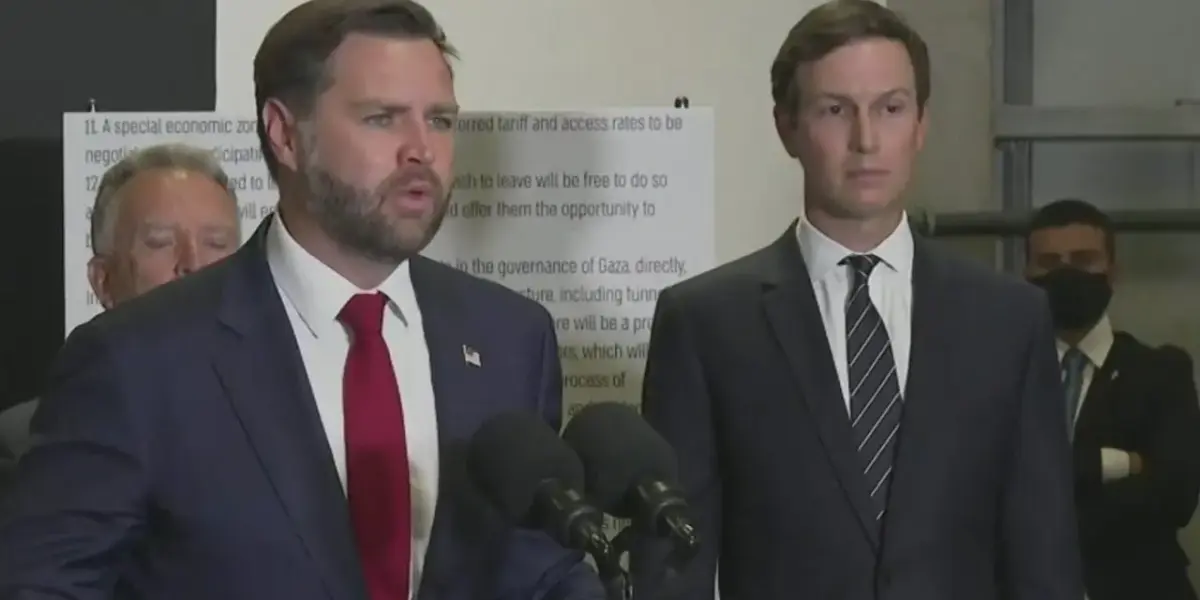
US Envoy Vance Navigates Pakistan Talks for Iran Ceasefire
Vice President JD Vance is heading to Pakistan for crucial peace talks with Iranian leaders. These discussions aim to keep a fragile ceasefire alive and potentially end the ongoing war. The United States is placing a significant bet on these negotiations, hoping to find a path to de-escalation.
High Stakes for Vance and the Administration
This mission marks a high-profile moment in Vice President Vance’s political career. He is the most senior official from the current administration to lead these direct talks with Iran. Interestingly, Vance was also one of the most vocal critics of the war from within the administration. This background could give him a unique position to negotiate effectively.
He will be joined by Jared Kushner and Steve Witkoff. These individuals have a history of handling sensitive negotiations for President Trump. They previously worked on ceasefires between Israel and Hamas. They also attempted to broker peace in Ukraine. Their experience in complex diplomacy is seen as vital for this new challenge.
Uncertainty on the Iranian Side
A key question remains: who will represent Iran at the table? There is speculation that it could be the Iranian Foreign Minister or the Speaker of their Parliament. Both figures have been active voices since the war began, sharing their views on social media and in interviews. However, their exact role in these talks is still unclear.
This uncertainty adds a layer of complication. Several Iranian regime members have already been killed in strikes by both Israel and the United States. The dynamic of who attends the talks could significantly impact the discussions and the potential for an agreement.
Key American Demands
President Trump has made it clear that a top priority for the U.S. is ensuring free passage through the Strait of Hormuz. Iran has reportedly been restricting ship movement in this vital waterway. Vance has also emphasized this point. Ensuring that ships can travel safely is a major goal for American interests.
Israel’s Role and Ceasefire Concerns
President Trump recently spoke with Israeli Prime Minister Netanyahu. He reportedly asked Israel to halt its strikes on Hezbollah in Lebanon. The fear is that continued Israeli military action could completely shatter the existing ceasefire. This concern comes after a significant escalation by Israel in Lebanon following the ceasefire announcement.
Reports indicate that Israel launched its most intense volley of missile strikes in Lebanon since the war began. These attacks resulted in hundreds of deaths on the first day alone. The U.S. is concerned that such actions could undermine the fragile peace efforts and reignite broader conflict.
Global Impact
The outcome of these talks in Pakistan could have far-reaching consequences. A successful ceasefire would bring much-needed stability to a volatile region. It could also ease tensions in the Strait of Hormuz, benefiting global trade and energy markets. Conversely, a breakdown in negotiations could lead to further escalation, potentially drawing more nations into the conflict.
Historical Context
The region has a long history of conflict and complex diplomatic maneuvering. Previous attempts to broker peace have often been complicated by deep-seated rivalries and shifting alliances. The current situation echoes past efforts to manage tensions between Iran and its neighbors, as well as the broader global powers involved.
Economic Considerations
Control over strategic waterways like the Strait of Hormuz is a critical economic issue. Disruptions there can significantly impact oil prices and global supply chains. The U.S. emphasis on free passage highlights the economic stakes involved for international commerce. Sanctions and trade dependencies also play a role in the geopolitical calculations of all parties.
Future Scenarios
Several outcomes are possible. A lasting ceasefire could lead to gradual de-escalation and renewed diplomatic engagement. Alternatively, the talks could fail, leading to a renewed military offensive by one or more parties. A third scenario might involve a temporary pause in fighting, with underlying issues remaining unresolved, creating a risk of future conflict. The involvement of multiple international actors suggests that a purely regional solution may be difficult to achieve.
Source: Vance leading Iran peace talks in Pakistan amid fragile ceasefire. What to expect | Morning in Ameri (YouTube)

Related Articles
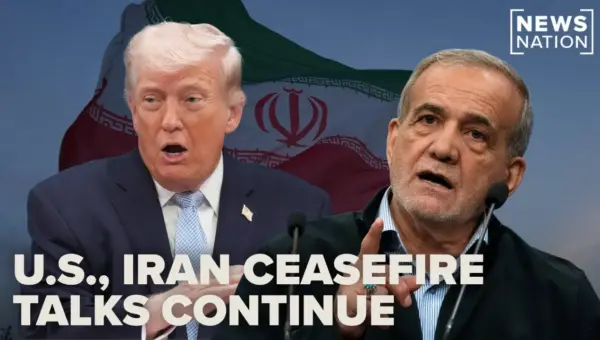
Iran Threatens Strait of Hormuz Amid Lebanon Strikes
Iran threatens to close the vital Strait of Hormuz in response to ongoing strikes in Lebanon. The US is trying to de-escalate, but actions on the ground remain a concern, potentially impacting global oil markets and future negotiations.
Senator Slams Jeffries’ Iran Stance, Cites Nuclear Threat
Senator Rick Scott sharply criticized House Democratic Leader Hakeem Jeffries over his stance on Iran, calling him an "idiot" for seeking to limit the President's authority. Scott highlighted the threat of Iran developing nuclear weapons. The discussion also covered President Trump's stance on NATO and the ongoing DHS funding shutdown.

Iran’s Hormuz Threat: A Known Tactic, Not New
Recent conflict did not teach Iran a new tactic by threatening to close the Strait of Hormuz. Experts and Iranian planners have long understood this strategic leverage. The effectiveness of the recent shutdown was tied to global perceptions of the preceding conflict's instigator, not a newfound Iranian capability.