US Envoy Choice Sparks Iran Deal Doubts
Vice President JD Vance's selection to lead U.S. talks with Iran is drawing criticism, with experts like John Bolton questioning the choice. The ongoing control of the Strait of Hormuz by Iran remains a major concern, impacting global oil markets and regional stability.

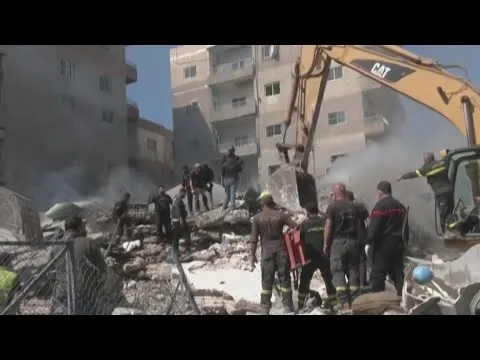
US Envoy Choice Sparks Iran Deal Doubts
High-stakes peace talks between the United States and Iran are set to begin, but a key decision about who will lead the American team is raising serious questions. The White House is preparing for these important talks this coming weekend in Pakistan. However, some experts worry that the fractured state of Iran’s leadership means whoever attends might not be able to fully commit to any agreement reached.
Adding to the complexity, Iran has reportedly not been following the original deal concerning the Strait of Hormuz. This waterway is crucial for global oil transport. As Iran might be asking similar questions about who is in charge for the U.S., the choice of Vice President JD Vance to lead the American delegation has drawn criticism.
Bolton Criticizes Vance’s Role
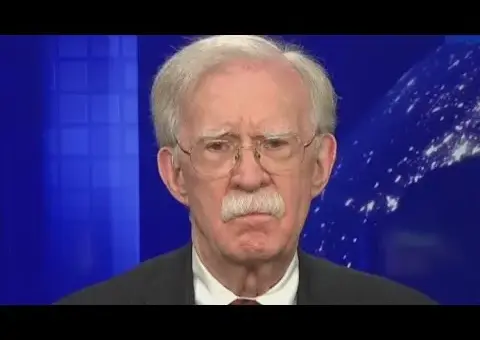
John Bolton, former U.S. Ambassador to the United Nations and National Security Advisor under President Trump, believes sending the Vice President is a mistake. Bolton told Elizabeth Vargas on her show that he would prefer Secretary of State Marco Rubio to lead the U.S. delegation. Rubio, as Secretary of State, has the job of handling such diplomatic matters.
Bolton explained that having the Vice President, who is second only to the President, involved elevates the stakes considerably. He stressed that it’s generally not wise to let your opponent choose who you negotiate with. Bolton noted that Iran had also requested not to negotiate with figures like Wood Coffey and Kushner, suggesting a desire to pick their U.S. counterparts.
Iran’s Control Over Hormuz
The issue of the Strait of Hormuz remains a major point of contention. Reports indicate Iran is still controlling traffic through the strait, even setting up what is described as a toll booth. Ships passing through are reportedly forced to follow a designated route that keeps them close to the Iranian coast. This situation has been a concern since the initial announcement of a cease-fire.
Bolton expressed strong doubts about trusting the current Iranian regime. He stated that they might agree to terms only to ignore them later. Bolton suggested that the only way to truly show Iran does not control the Strait of Hormuz is to take that control away militarily. He believes that if such issues are only resolved through diplomacy, Iran might repeat its actions the next time.
Regional Concerns and Historical Context
The Gulf Arab nations, including Saudi Arabia and the United Arab Emirates, have voiced their unhappiness with Iran’s dominance in the region. This concern about an outside power controlling a vital area has been a consistent theme in international relations. It echoes a long-standing principle of American foreign policy since World War II: no single power should dominate a crucial region.
The current situation highlights the delicate balance of power in the Middle East. Iran’s actions in the Strait of Hormuz directly impact global energy markets and regional stability. The decision of who represents the U.S. in these talks could significantly influence the outcome and the future relationship between the two nations.
Global Impact
The choice of negotiators and the ongoing dispute over the Strait of Hormuz have wider implications. The Strait is vital for moving about 20% of the world’s oil. Any disruption there can cause oil prices to jump worldwide, affecting economies everywhere. The U.S. aims to ensure freedom of navigation for all countries.
If the talks fail or Iran continues its assertive actions, it could lead to increased military tensions. This might involve more naval patrols or even direct confrontations. Such a scenario would further destabilize an already volatile region and could draw in other global powers. The effectiveness of diplomacy often depends on the credibility and authority of the negotiators, making the U.S. delegation’s composition a critical factor.
Future Scenarios
Several outcomes are possible from these talks. One scenario is a successful diplomatic agreement that eases tensions and ensures safe passage through the Strait of Hormuz. This would likely involve Iran making concessions and adhering to international norms. Another possibility is that the talks break down, leading to continued or increased friction.
A third scenario involves a temporary agreement that doesn’t address the core issues, leaving the situation precarious. Iran might continue its assertive behavior, and the U.S. could respond with further diplomatic pressure or military posturing. The long-term outcome will depend on the willingness of both sides to compromise and the broader geopolitical forces at play.
Source: Bolton: No sense having Vance as part of negotiating team for Iran talks | Elizabeth Vargas Reports (YouTube)

Related Articles
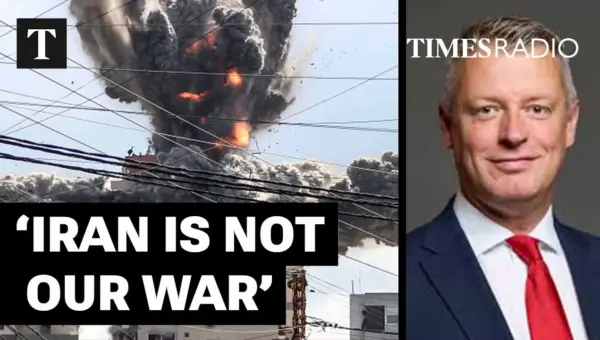
UK Defends Allies But Says ‘Iran Is Not Our War’
Britain is stepping up to defend allies in the Middle East but insists "Iran is not our war," according to the Minister for Defense Readiness and Industry. The UK is focusing on defensive measures and leading international efforts to reopen the vital Strait of Hormuz. The government also addressed concerns about NATO's future and countered Russian aggression against undersea cables.
Iran Tests Global Order Amid Strait of Hormuz Standoff
Peace talks loom as Iran's control over the vital Strait of Hormuz fuels global concern. Analysts question Iran's commitment to agreements, while regional demands and proxy conflicts complicate diplomatic efforts. The situation tests the international order and global energy security.

Iran Deal Faces Skepticism Amid US Scientists’ Mysterious Deaths
Skepticism surrounds potential US-Iran negotiations due to Iran's history of deception. Meanwhile, rising gas prices are blamed on market manipulation, not free capitalism. The discussion also highlights alarming, unexplained deaths of US scientists, raising questions about government transparency and accountability.