US Energy Policy: A Global Win Amidst Global Pain?
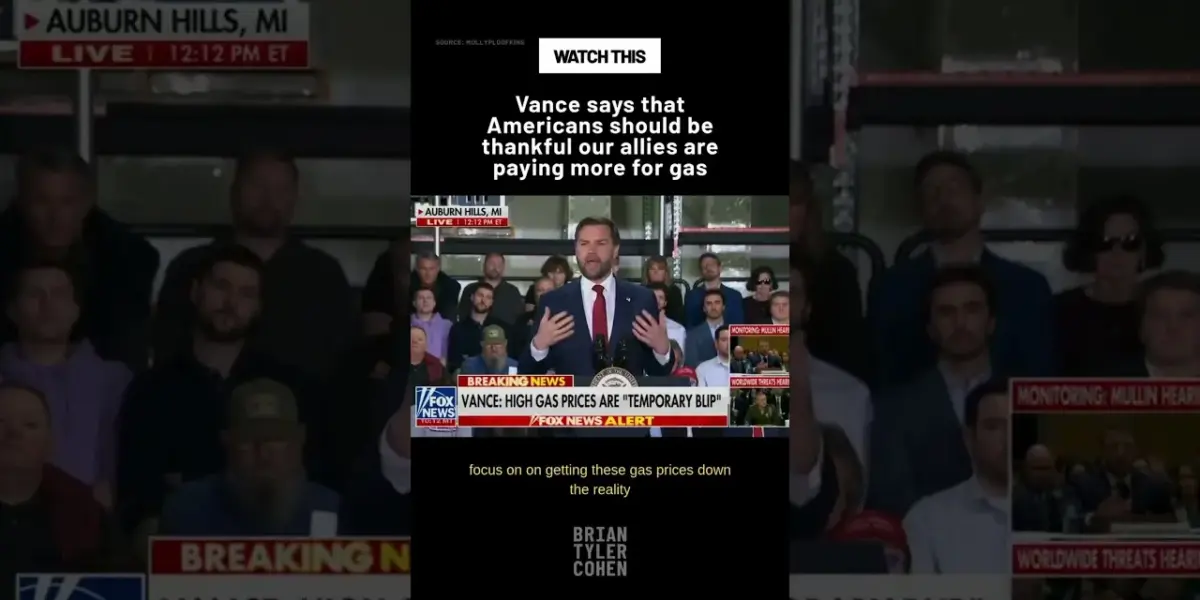
While Americans feel the pinch of gas prices, officials suggest allies are suffering more due to differing energy strategies. The US focus on 'energy dominance' is presented as a shield against global price shocks, contrasting with what's called 'green energy scams' elsewhere. This highlights the complex balance between national energy policies and global stability.

US Energy Policy: A Global Win Amidst Global Pain?
Recent statements suggest a complex picture of global energy markets, where American energy policies are seen as a shield against wider price shocks. While gas prices remain a concern for Americans, officials point to international allies facing even tougher times. This perspective highlights how America’s focus on energy independence might be protecting its own citizens more than others.
The “Green Energy Scams” Argument
One viewpoint shared is that many countries have leaned heavily into what are described as “green energy scams.” This suggests that a rush towards renewable energy without a solid foundation or sufficient backup has left these nations more vulnerable. Unlike the United States, which has pursued an “energy dominance” agenda, these nations may not have the diversified energy sources needed to weather global supply disruptions. This leaves their populations feeling the pinch of high fuel costs much more acutely.
America’s Energy Dominance Strategy
The United States, by contrast, is credited with taking steps to safeguard its energy economy. The strategy of “energy dominance” implies a focus on maximizing domestic energy production and securing reliable energy supplies. This approach, according to proponents, has put the U.S. in a stronger position compared to allies who may have neglected traditional energy sources in favor of a quicker transition to renewables. This difference in approach is seen as a key reason why the pain at the pump, while felt in the U.S., is reportedly worse elsewhere.
Global Cooperation and Strategic Reserves
Despite the differences in energy strategies, there’s an emphasis on international cooperation. The U.S. has worked with allies to release millions of barrels of oil from strategic petroleum reserves. This collective action aims to increase supply and put downward pressure on global prices. It’s a coordinated effort to mitigate the impact of energy shocks, even as underlying national strategies differ significantly.
Looking Ahead: Promises of Future Relief
Officials acknowledge that high gas prices are a significant issue that needs addressing. There’s a promise that once current global conflicts or disruptions conclude, energy prices will return to more stable levels. This outlook suggests that the current price volatility is temporary and linked to specific geopolitical events. The commitment is to fight against these price pressures and ensure that reality, meaning lower prices, returns once the situation stabilizes.
Why This Matters
This discussion is important because it sheds light on how national energy policies affect not just a country’s own citizens but also its global partners. It raises questions about the speed and methods of transitioning to renewable energy. Are countries that prioritize green energy too quickly leaving themselves exposed to market shocks? The U.S. approach, while perhaps controversial to some, is presented here as a way to maintain stability during turbulent times. It also underscores the complex interplay between geopolitics, energy markets, and the everyday costs faced by consumers worldwide.
Implications, Trends, and Future Outlook
The trend highlighted is the ongoing debate between rapid renewable energy adoption and maintaining energy security through diversified sources. The reliance on strategic reserves shows a short-term fix, but the long-term solution remains a subject of discussion. Countries may reassess their energy transition plans, potentially seeking a more balanced approach that includes both green initiatives and robust traditional energy infrastructure. The future outlook suggests continued volatility in energy markets, influenced by geopolitical events and the pace of global energy transitions. Nations that have invested in domestic production and diversified supplies may prove more resilient.
Historical Context
The concept of energy independence and its strategic importance is not new. Throughout history, access to reliable and affordable energy has been crucial for economic stability and national security. Events like the oil crises of the 1970s demonstrated the profound impact of energy supply disruptions on global economies. These past experiences have shaped current energy policies, pushing nations to secure their energy future, whether through domestic production, strategic alliances, or diversified energy portfolios. The current situation can be seen as a modern echo of these historical concerns, playing out on a global stage with new technological and environmental considerations.
Source: Vance says Americans should be thankful our allies are paying more for gas (YouTube)

Related Articles


U.S. Iran Tensions Rise Amid Shifting Alliances
Rising tensions between the U.S. and Iran are creating a volatile geopolitical situation. With conflicting signals on de-escalation and potential shifts in alliances like NATO and U.S.-Israel relations, the path forward remains uncertain. The global economy and regional stability hang in the balance.


Iran Targets US With Cyberattacks, Escalating Digital Warfare
Iran is increasingly using cyberattacks to challenge the U.S., as seen in a recent hack of the FBI director's account. Experts say this is a strategic shift due to Iran's limitations in conventional warfare. The U.S. needs to strengthen its digital defenses, focusing on encryption and cloud computing, rather than solely relying on traditional security measures.

Ukraine Strikes Russian Oil Refinery, Eyes Iran Threat
Ukrainian forces struck a key Russian oil refinery, disrupting Moscow's war capabilities. Meanwhile, Finland's president urged continued U.S. support for Ukraine, as Kyiv shares its air defense expertise globally amid growing geopolitical complexities involving Iran and potential sanctions against Hungary.