US Embassy Attacked as Iran Tensions Escalate
The U.S. Embassy in Baghdad was targeted amid escalating Middle East tensions, prompting a U.S. advisory for citizens to leave Iraq. The Kurdish region faces steady bombardment, though officials emphasize neutrality in the conflict.

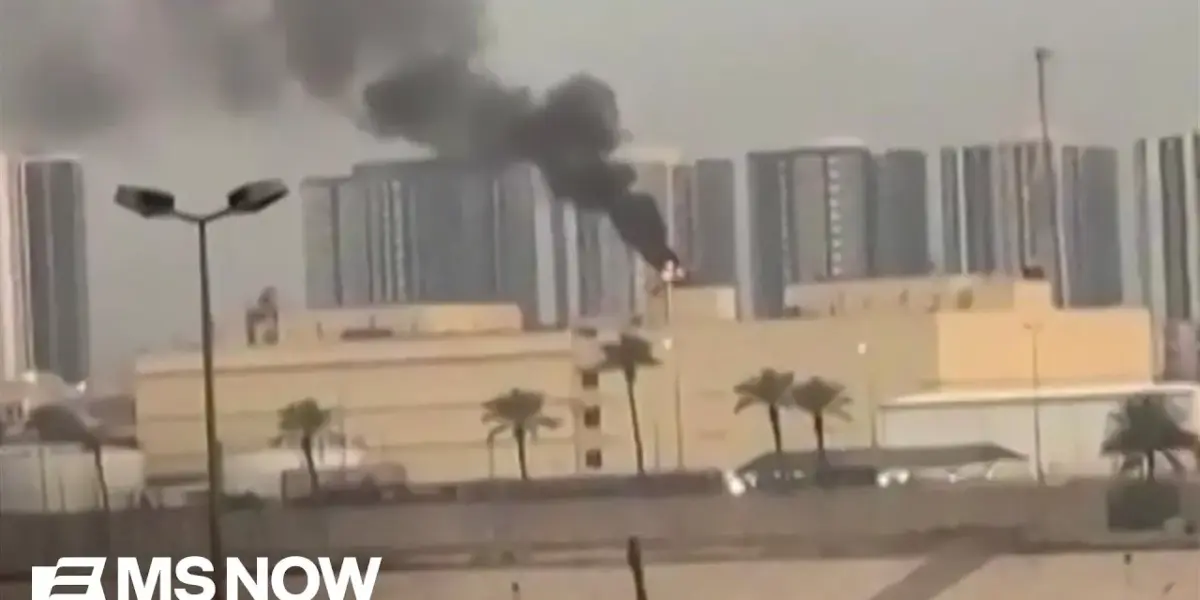
U.S. Embassy in Baghdad Targeted Amidst Rising Regional Tensions
The U.S. Embassy in Baghdad has become the focal point of escalating tensions in the Middle East, with reports indicating it was targeted amid a significant increase in regional instability. The situation has prompted the U.S. to advise all American citizens to leave Iraq, a stark warning underscoring the gravity of the current geopolitical climate.
Kurdish Region Under Fire: A Steady Bombardment
Heather Mercer, president of Global Aid, who operates a humanitarian organization in the Kurdish region of Iraq, shared alarming details about the security situation. “As recently as this morning, I was speaking with some senior Kurdish officials as well as my staff on the ground, and there is a consistent and steady bombardment in the Kurdish area and areas where Iranian opposition forces are thought to exist,” Mercer reported. This bombardment is heavily impacting the Kurdish capital of Erbil and surrounding provincial areas where these opposition groups reside.
Americans in Iraq: A Personal Calculation
The safety of Americans in Iraq is a paramount concern. The U.S. Embassy’s directive for citizens to evacuate highlights the perceived risks. Mercer, who plans to return to the region once airport closures permit, acknowledged the difficult decisions faced by Americans on the ground. “I think Americans that are on the ground or have been on the ground are sort of making that personal calculation for themselves,” she stated. “Many have left, but then there are many who understand the cost of being in the region and find their work important and meaningful, particularly at this time of crisis, and have decided to stay and endure with the Kurdish people.”
A Haven for the Displaced: Kurdistan’s Role
The Kurdish region of Iraq has historically served as a sanctuary for numerous displaced and disaffected groups. Mercer elaborated on this role: “The Kurdish region of Iraq has been a safe haven for many, many displaced and disaffected groups through the last 20 years.” She noted the significant Kurdish population spanning four countries, including Iran, and highlighted the historical persecution faced by these communities. The Kurdish regional government is actively providing support to those affected by the current conflict.
Kurds’ Stance on the Conflict: Neutrality and Stability
Amidst reports that the CIA might consider arming the Kurds to aid in the battle against Iran, Kurdish officials have made their position unequivocally clear. “They are not interested in getting involved in this war. They don’t see it as their war,” Mercer explained. “They don’t wish for the Kurdish region to be used as a staging ground for a ground offensive into Iran, and their interests is in maintaining regional stability and threading all the needles they have with their neighbors and their allies around the world.” This strategic neutrality aims to preserve regional peace and the progress made within the Kurdish autonomous region.
Iraq’s Progress at Risk: Fears of Lost Stability
Despite the current turmoil, Gallup polling has indicated a steady increase in Iraqis’ sense of safety and security over recent years, particularly in the Kurdish region, which has been lauded as a model for democratic governance in the Middle East. Mercer expressed deep concern that the current conflict could unravel this progress. “I think the concern is that this conflict erases that, right? Already we’re seeing investors pull out, we’re seeing tourism decline, we’re we’re seeing a lot of the international NGOs leave the area, and that’s concerning for the future of the region.” However, she remained optimistic about the resilience of the Kurdish people, stating, “The Kurds are extremely resilient. They have been through this scenario many, many times before and they always rise again.”
Global Aid’s Mission: Economic Opportunity and Empowerment
Mercer’s own experience of being held hostage by the Taliban for 105 days prior to the September 11th attacks inspired the founding of Global Aid. She identified the most pressing needs in the Kurdish region as economic opportunity and development, especially for a generation affected by conflicts like the ISIS war. “We have a generation of young people that because of the ISIS conflict and different conflicts that have happened since then that are affected and they’re looking for opportunity. They’re looking for a future that allows them to stay inside Kurdistan,” she said. Mercer emphasized the critical need for continued investment in the region and the empowerment of marginalized communities, including minorities who have found refuge in Kurdistan, to help them rebuild their lives.
Looking Ahead: Navigating Instability
The targeted attack on the U.S. Embassy in Baghdad and the ongoing bombardment in the Kurdish region signal a dangerous escalation of Middle Eastern hostilities. As international attention focuses on the unfolding conflict, the resilience of the Kurdish people and the efforts of humanitarian organizations like Global Aid will be crucial in mitigating the impact on civilians and striving for future peace and stability in a volatile region.
Source: U.S. Embassy in Baghdad targeted by Iran (YouTube)

Related Articles
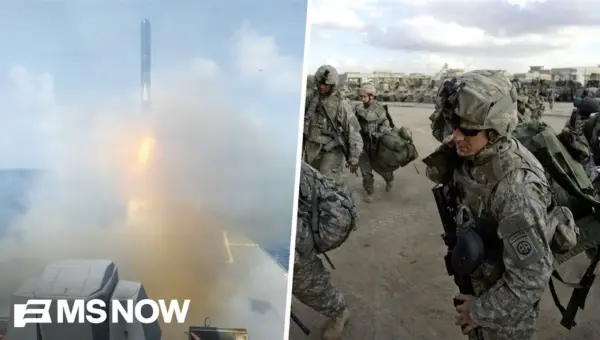
Iran Missile Strikes Injure US Troops, Raise War Concerns
Iranian missile strikes have injured U.S. service members, escalating tensions as the conflict nears one month. The attacks are raising concerns about the effectiveness of U.S. military strategy and the depletion of crucial missile stockpiles. Global oil prices have surged, impacting economies worldwide.
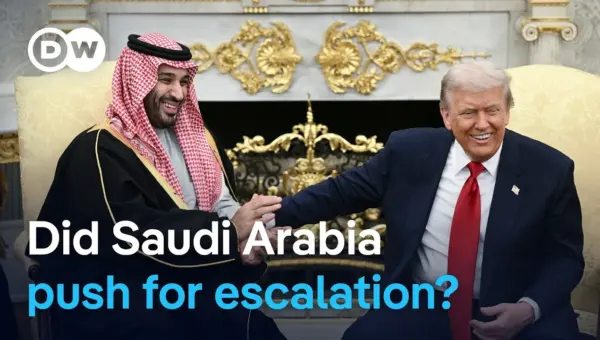
Saudi Arabia Pushes US for Iran War, Report Claims
Saudi Arabia's Crown Prince Mohammed bin Salman has reportedly urged the US to escalate military action against Iran, viewing it as an opportunity to reshape the Middle East. While Saudi officials deny the report, the push comes amid increased Iranian attacks on Saudi oil infrastructure. Experts suggest a complex dynamic where Saudi Arabia seeks US intervention while also managing the risks of regional instability.

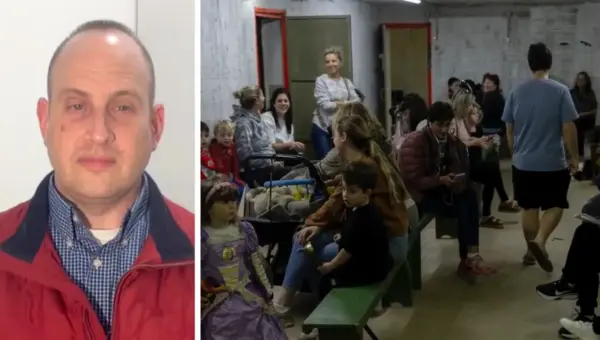
Israelis Forge Resilience Amidst Constant Bomb Shelter Drills
Life in Israel is a blend of resilience and constant vigilance, with many families adapting to frequent bomb shelter drills and even sleeping in makeshift shelters. Despite ongoing missile attacks, Israelis strive to maintain normalcy, though businesses face disruption and emotional fatigue is a growing concern.