US Economy Poised for Growth Despite Recession Fears
Despite global recession fears, the U.S. economy shows surprising strength and is poised for growth. Analysts highlight leadership's efforts on energy prices and question the Federal Reserve's role and transparency amidst complex policy decisions.

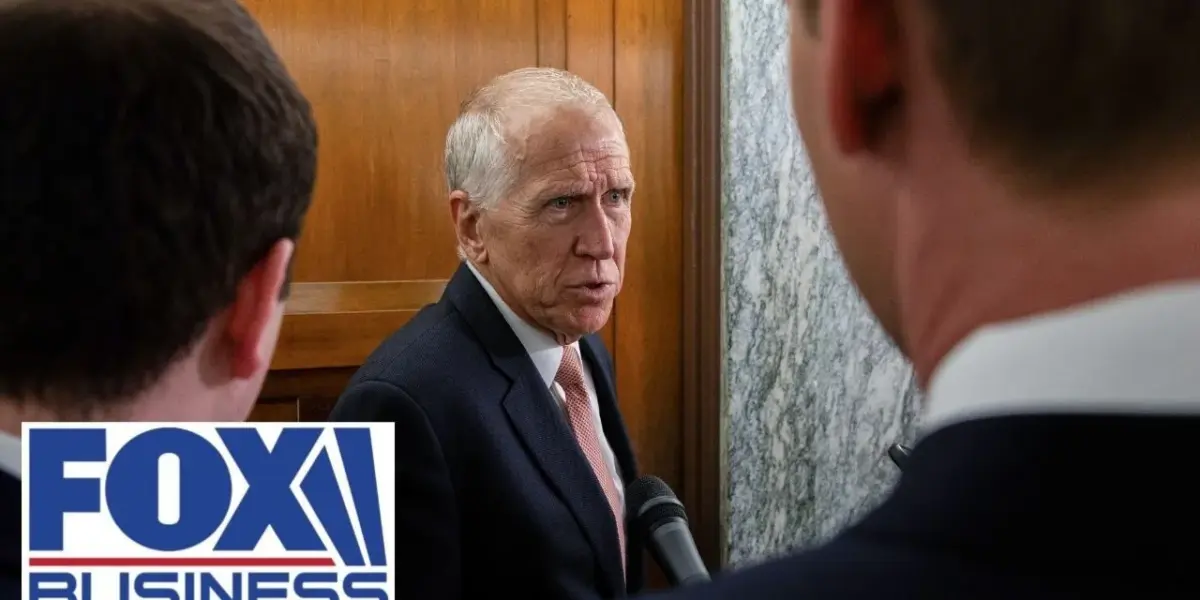
US Economy Shows Strength, Poised for Growth Amidst Global Uncertainty
Despite a wave of daily headlines warning of recession and stagflation, the United States economy remains the healthiest and strongest among major global economies. A recent survey revealed that only 5% of global fund managers believe the global economy is hitting a high point. However, within this cautious outlook, the U.S. stands out as a beacon of resilience.
Analyst Sees Growth Potential, Praises Leadership on Energy Prices
One senior fellow noted that the economy was not only performing well but also building strong momentum before recent global conflicts. “I think we were ways for gross and still are poised for growth,” the analyst stated. “And when we get through this, it will be even better because we will have eliminated such a threat and energy prices will come back down.” This perspective applauds the courage of U.S. leadership in tackling difficult issues, particularly concerning energy prices, which impact the broader economy.
Energy Prices and Federal Reserve Policy Intertwined
The discussion around energy prices is closely linked to the Federal Reserve’s policy decisions. While some suggest the Fed cannot cut interest rates due to oil prices, research indicates this should not be a major issue. The analyst emphasized that the administration’s focus on transitioning the economy and strengthening the private sector was intended to help lower energy costs. The Federal Reserve faces a complex situation: higher energy prices can be inflationary, suggesting a need to keep interest rates high. Conversely, a weakening economy might call for lower rates.
“The Fed’s framework could be inflationary in which case we have to keep rates higher, but at the same time, you could argue it has a weakening effect on the economy, so you may have to reduce it.”
The lack of a consistent narrative from the Fed adds to the uncertainty. Ideally, the Fed would provide clear guidance, but predicting their next move remains challenging. The hope is for a return to low energy prices, which would benefit the overall economy.
Concerns Over Fed Chair Nomination and Transparency
Beyond economic policy, there is significant discussion regarding the Federal Reserve Chairman’s position. The analyst expressed strong reservations about the nomination process, calling it potentially “an unmitigated disaster and an obvious political move.” Concerns have been raised about the chairman’s handling of information requests from the Department of Justice, with some describing the situation as bordering on “extortion.” This has led to a difficult situation for senators who feel pressured to appease certain demands.
The analyst criticized the Fed Chairman for fighting against the rule of law when required to provide more information. While some senators have taken strong stances, others are perceived as being overly cautious. The core issue revolves around ensuring transparency and accountability within the central bank’s operations.
Reimagining the Federal Reserve’s Role
Looking ahead, a key question is what changes would create a fairer system for the American public. The analyst suggested that the central bank’s primary legitimate function is to act as a lender of last resort during economic crises. However, the goal should be to reduce the Fed’s overall footprint and authority. An excessive focus on the Fed’s every utterance, as seen with press conferences after every meeting, can create unnecessary distraction and give the institution too large a profile.
The ideal scenario, according to this viewpoint, involves free markets determining the cost of capital in a private enterprise economy. This would reduce the reliance on the Federal Reserve’s pronouncements and allow market forces to play a more significant role in economic decision-making.
Market Impact
The U.S. economy’s resilience, despite global headwinds, offers a positive backdrop for investors. While inflation and interest rate uncertainty persist, the underlying strength suggests potential for continued growth. Leadership’s focus on stabilizing energy prices could alleviate a significant cost burden across various sectors. Investors should monitor Federal Reserve communications closely for any shifts in policy direction, but also recognize the potential for market-driven capital allocation.
What Investors Should Know
The current economic environment presents a mixed picture. On one hand, the U.S. economy shows robust underlying strength, defying widespread recession predictions. On the other hand, global uncertainty and the complexities of Federal Reserve policy create ongoing volatility. Investors may find opportunities in sectors less sensitive to interest rate hikes or those benefiting from stable or falling energy costs. Long-term, a focus on free market principles could lead to more efficient capital allocation, benefiting businesses and investors alike. The debate over the Fed’s role and transparency highlights the importance of oversight in maintaining economic stability.
Source: We were POISED for GROWTH, says analyst (YouTube)

Related Articles


Fed Rate Hike Fears Spark Stock Sell-Off
Investors are bracing for potential Federal Reserve interest rate hikes in 2026 as rising oil prices and persistent inflation clash with a slowing economy. This stagflationary concern has triggered a stock market downturn, presenting both risks and opportunities for investors.


AI Threatens White-Collar Jobs, Reshaping U.S. Workforce
Artificial intelligence is poised to significantly reshape the U.S. job market, raising concerns among recent graduates and experienced professionals about future employment. While some lawmakers call for regulation, experts emphasize adaptation and learning to work with AI.
Markets Tumble Amid Iran Tensions and Shutdown Gridlock
Wall Street experienced a significant slide today, with the Dow and Nasdaq entering correction territory, driven by escalating tensions with Iran and market uncertainty. Meanwhile, a government shutdown continues to cause chaos at airports nationwide, leaving thousands of workers unpaid and travelers facing long delays. The global energy supply is also under pressure, impacting prices and availability worldwide.