US Eases Sanctions, Fuels Russia and Iran’s Anti-US Aims
A recent U.S. policy shift to ease sanctions on Russian oil sales to India raises serious concerns. This decision may inadvertently fund adversaries like Russia and Iran, potentially bolstering their efforts to target U.S. forces and unraveling the global order.

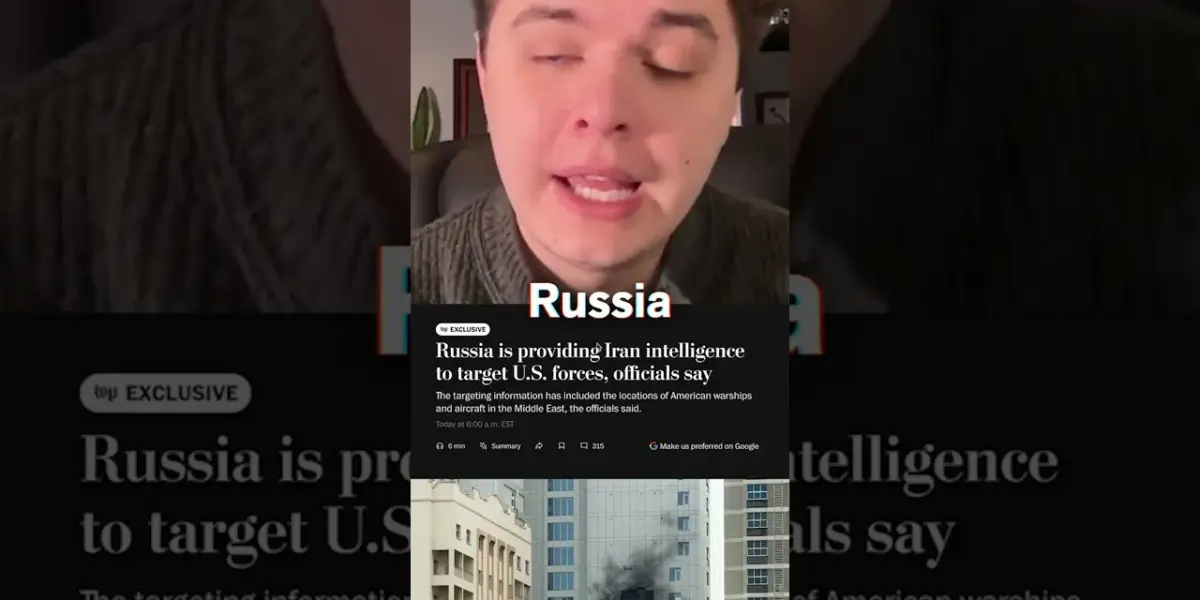
US Policy Shift Fuels Adversaries, Unraveling Global Order
In a move that has sent ripples through the international community, the United States has temporarily eased sanctions on Russian oil sales to India. This policy reversal, seemingly driven by global energy market pressures, carries significant implications, potentially undermining efforts to cripple Russia’s economy and inadvertently bolstering adversaries like Russia and Iran. The decision marks a rapid and concerning unraveling of the existing global order, a trend that has been gaining momentum over the past year.
The Sanctions Paradox: A Shot in the Foot?
The initial imposition of sanctions on Russia was intended to choke off its revenue streams, preventing the Kremlin from funding its military and enriching its oligarchs while its citizens faced hardship and conscription. The logic was clear: by cutting off financial lifelines, the U.S. and its allies aimed to pressure Russia into altering its behavior. However, the recent decision to allow India to resume purchasing Russian oil highlights a critical dilemma. Faced with potential global oil shortages and the blame that might accompany them, the U.S. appears to have opted for a pragmatic, albeit controversial, solution: allowing Russia to continue earning revenue.
The decision to ease sanctions represents a major shift in policy. The entire global order is rapidly unraveling, as it has been over the past year or so. But it is unraveling even faster because right off the bat today at 6 a.m. we learned that Russia is providing Iran intelligence to target US forces. And we are now funding that.
This pivot raises a fundamental question: are these sanctions truly effective if they can be so readily circumvented or relaxed under pressure? The transcript suggests a scenario where the U.S. is, in effect, funding the very entities it seeks to contain. By allowing Russia to generate more income through oil sales, the U.S. indirectly provides resources that Russia can then leverage. The transcript explicitly links this to Russia providing intelligence to Iran for targeting U.S. forces, a chilling consequence that flips the intended outcome of sanctions on its head.
The Iran Connection: A Strategic Misstep?
The situation is further complicated by the alleged deepening ties between Russia and Iran. The transcript points to Russia providing Iran with intelligence capable of targeting U.S. military assets. This collaboration, if true, represents a significant escalation and a direct threat to American interests in the Middle East. The implication is that the financial gains Russia accrues, partly due to eased U.S. sanctions, are then channeled into strengthening its strategic partnerships, including with Iran, to counter U.S. influence.
The transcript also makes a pointed critique of former President Donald Trump’s foreign policy approach, suggesting a regression from any prior hardline stance and a capitulation to Israeli interests, specifically referencing Benjamin Netanyahu. This critique implies that past policy decisions, perhaps driven by political considerations rather than strategic necessity, may have laid the groundwork for current vulnerabilities. The argument presented is that a failure to maintain a consistent and robust policy against adversaries like Iran has created an opening for these nations to consolidate their power and pose a greater threat.
Historical Context: The Shifting Sands of Geopolitics
The current geopolitical landscape is characterized by a multipolar world order, where traditional alliances are being tested and new power dynamics are emerging. The U.S.’s role as the sole superpower has been challenged, and nations like Russia and China are increasingly asserting their influence. Sanctions have long been a tool of U.S. foreign policy, employed against a range of adversaries from Cuba to North Korea to Iran. However, their efficacy has always been debated, with critics arguing that they can disproportionately harm civilian populations, fail to achieve stated political objectives, and sometimes even strengthen the resolve of the targeted regime.
The current situation echoes historical instances where strategic decisions, often made under pressure, have had unintended consequences. The delicate balance of power in regions like the Middle East is notoriously difficult to manage, and any shift in policy can have cascading effects. The easing of sanctions on Russian oil, while perhaps a tactical response to immediate energy concerns, could be viewed as a strategic misstep that empowers adversaries and destabilizes the broader international system.
Why This Matters
This policy shift is not merely an abstract geopolitical maneuver; it has tangible consequences. If Russia continues to profit from oil sales and uses those funds to support regimes like Iran, which in turn can target U.S. forces, the security of American personnel and interests abroad is directly jeopardized. Furthermore, it raises questions about the credibility and effectiveness of U.S. foreign policy. When sanctions are perceived as inconsistent or easily reversible, they lose their deterrent power.
The unraveling of the global order suggests a move towards a more fragmented and potentially more dangerous world. The erosion of established norms and alliances creates opportunities for autocratic regimes to expand their influence and challenge democratic values. The U.S.’s ability to lead and shape international events is diminished if its policies are seen as contradictory or driven by short-term expediency rather than long-term strategic goals.
Implications, Trends, and Future Outlook
The immediate implication is a potential strengthening of the Russia-Iran axis, which could lead to increased regional instability and a greater threat to U.S. interests in the Middle East. This trend could also embolden other nations seeking to challenge the existing international order, potentially leading to a more fractured global landscape. The effectiveness of future U.S. sanctions regimes will likely be scrutinized more closely, and policymakers may need to reconsider their approach to ensure consistency and impact.
Looking ahead, the U.S. faces the challenge of balancing its immediate energy needs with its long-term strategic objectives. A failure to do so could result in a continued erosion of its global standing and a more precarious security environment. The situation underscores the complex interplay between economic policy, national security, and international relations, demanding a nuanced and consistent approach from U.S. leadership.
Source: Trump Policy Now Funding Russia And Iran #politics #fyp #new (YouTube)

Related Articles
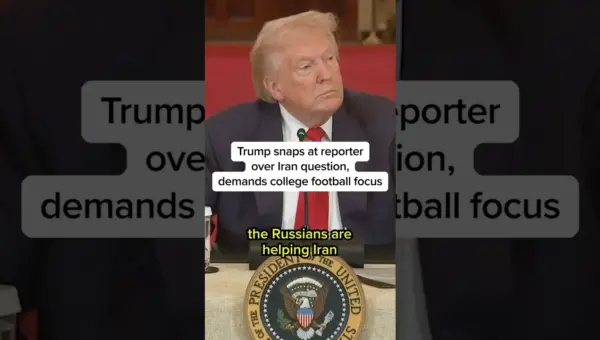
Trump Pivots to Football, Dismisses Reporter’s Iran Query
President Donald Trump publicly admonished a reporter at a White House event, dismissing a question about Russia reportedly aiding Iran in targeting the U.S. as "stupid." Trump demanded the focus remain on celebrating college football champions instead. The exchange highlights the President's communication style and his deflection of sensitive foreign policy inquiries.
Iran Strike Exposes China’s Deepest Fears: Regime Survival
The targeted strike in Iran has exposed deep-seated fears within China's leadership, triggering anxieties about regime survival, strategic miscalculations, and the precariousness of succession. Beijing is now grappling with the implications of a volatile geopolitical landscape and its potential impact on domestic stability.

Germany’s Ramstein Base: Key US Hub in Iran Tensions
Ramstein Air Base in Germany serves as a crucial US military hub for operations in the Middle East. Despite its strategic importance and increased activity amid tensions with Iran, local communities largely embrace the American presence. Germany maintains a policy of cooperation while addressing security concerns and diplomatic implications.