US Eases Russia Sanctions, Sparking Outrage Amid Global Economic Fears
The US decision to ease sanctions on Russian oil is under fire, with critics arguing it directly benefits Vladimir Putin and fuels the war in Ukraine. Experts warn of devastating global economic consequences amid disruptions in the Strait of Hormuz.

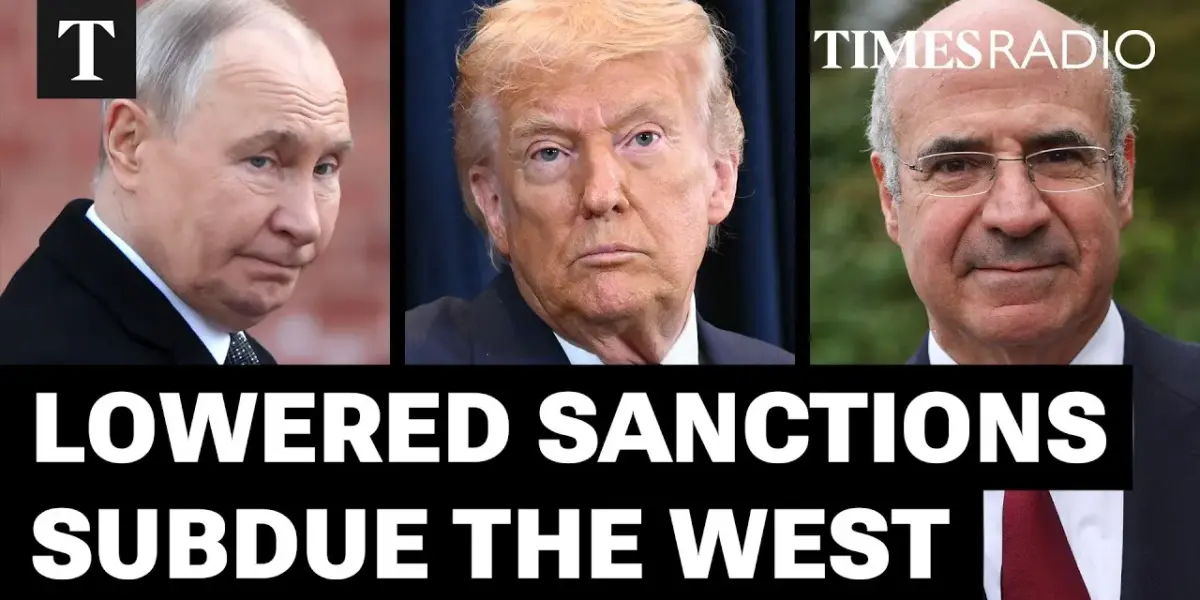
US Sanctions Shift Sparks Outrage, Fuels Ukraine War Concerns
In a move that has drawn sharp criticism from Ukrainian President Volodymyr Zelensky and international finance expert Bill Browder, the United States has partially eased sanctions on Russian oil. This decision, made amidst escalating tensions in the Middle East and disruptions to global shipping, is being slammed as counterproductive to peace efforts and a significant boon to Vladimir Putin’s war machine.
Russia and Iran: A Tight Alliance Under Scrutiny
The easing of sanctions comes as Russia and Iran are increasingly viewed as closely aligned, with UK Foreign Secretary James Cleverly accusing the two nations of attempting to “hijack the global economy.” Bill Browder, a prominent Russian finance expert and head of the Global Magnitsky Justice Campaign, elaborated on this connection, stating, “We know that Putin is an ally of Iran. We know that he’s been getting weapons in the form of Shahed drones from Iran, and now we know that he’s providing Iran with targeting information and other types of intelligence to target American and other allied soldiers in that part of the world. These two countries are joined at the hip. They’re part of what I would call the axis of evil.” Browder highlighted their synchronized voting patterns at the UN and their collaboration on weapons and financial exchanges as evidence of their deep alliance.
Sanctions Relief: A Boon for Putin, a Blow to Ukraine
Browder argued that the US decision to lift sanctions on Russian oil “makes no sense whatsoever” and represents a “pure gift to Vladimir Putin.” He explained that existing sanctions, while not stopping China, India, and Turkey from buying Russian oil, force these nations to purchase it at a significant discount. This discount, he noted, limits the revenue Putin receives for his war effort. By lifting the sanctions, the US is allowing Russia to sell its oil at the prevailing international market price, potentially adding billions to its coffers.
“All that does, it doesn’t generate any more supply of oil,” Browder stated. “All it does is it allows Russia to sell their oil at the international market price or potentially even higher right now to China, India, and Turkey. Why doesn’t it release more oil for, for example, American consumers though? It doesn’t release any more oil. The consumers—there’s a certain amount of oil produced by Russia. They sell all that oil. They sell it to China, India, and Turkey. It’s not like Americans or anyone else is going to get any more oil.”
President Zelensky echoed these sentiments, emphasizing that the easing of sanctions “strengthens Russia’s position” and could provide the Kremlin with nearly $10 billion, which would then be used to fund the ongoing conflict in Ukraine. Browder concluded that this move is a “total detraction from all of the efforts that we have in the West to try to contain Vladimir Putin and try to stop him from this unbelievable, illegal, murderous invasion of Ukraine.”
Geopolitical Disruptions: The Strait of Hormuz and Global Economy
The context for the US sanctions shift is the ongoing disruption in the Strait of Hormuz, a critical chokepoint for global oil and gas transit, which has seen traffic reduced to a near standstill. This situation has raised significant concerns about the broader impact on the global economy.
Matthew Bryer, former US Ambassador and State Department official, described the situation as “enormously worrying.” While he noted that US consumers are less immediately affected due to domestic energy production, he warned of “devastating” potential impacts on the global economy. “Major financial institutions are deeply worried about what the spike in prices is going to do,” Bryer said. He highlighted that the disruption extends beyond oil and natural gas, impacting the transit of essential commodities like sulfur and ammonia, which are critical for fertilizer production and thus global food security.
Criticism of US Foreign Policy and Potential “Quagmire”
Both Browder and Bryer expressed strong criticism of the US foreign policy decisions that led to the current geopolitical climate. Browder suggested that the decision to ease sanctions could be seen as a “panic move” by the Trump administration, referencing past interactions with President Zelensky and cuts to military aid for Ukraine. He posited that the less charitable interpretation is a deliberate attempt to funnel money to Putin.
Bryer, a career public servant, stated unequivocally that blame for the current situation, which could potentially trigger a global recession, can be placed on the decision to engage in the Iraq War, calling it a “war of choice.” He compared the potential long-term repercussions to those of the Vietnam War, warning of a “geoeconomic quagmire” if the conflict between Israel and Iran persists and continues to destabilize global markets.
“The war is not going to end when Donald Trump gets tired of it and decides to bring US forces home because Israel and Iran will keep on fighting, and who knows how long Iran can keep the Strait closed,” Bryer warned. He also pointed to the potential for Iran to prolong the disruption by deploying mines or using small boats to attach them to tankers, making the situation a “devastating impact” that “Trump didn’t need to do. He chose to do it.”
Looking Ahead: What’s Next?
The coming weeks will be crucial in observing how the US sanctions policy evolves and its impact on global energy markets and the ongoing conflict in Ukraine. Continued diplomatic efforts to de-escalate tensions in the Middle East and secure the Strait of Hormuz will be paramount. Furthermore, the international community will be closely watching the financial implications for Russia and the effectiveness of Western efforts to support Ukraine amidst these complex geopolitical challenges.
Source: US Easing Sanctions On Russia ‘Makes No Sense’ And Will Worsen Ukrainian Deaths | Sir Bill Browder (YouTube)

Related Articles
U.S. Iran Tensions Rise Amid Shifting Alliances
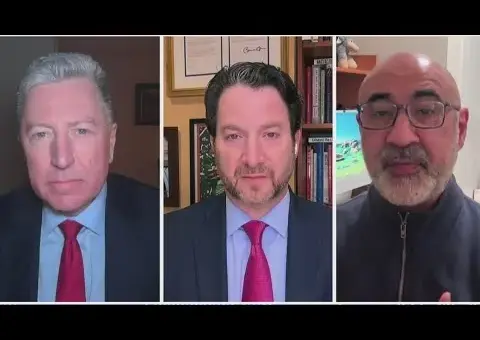
Rising tensions between the U.S. and Iran are creating a volatile geopolitical situation. With conflicting signals on de-escalation and potential shifts in alliances like NATO and U.S.-Israel relations, the path forward remains uncertain. The global economy and regional stability hang in the balance.
Ukraine Strikes Russian Oil Refinery, Eyes Iran Threat
Ukrainian forces struck a key Russian oil refinery, disrupting Moscow's war capabilities. Meanwhile, Finland's president urged continued U.S. support for Ukraine, as Kyiv shares its air defense expertise globally amid growing geopolitical complexities involving Iran and potential sanctions against Hungary.

Trump Halts Iran Strikes Amid Stalled Diplomacy
President Trump announced a pause on planned strikes against Iran, citing productive talks, though Iran denies negotiations occurred. Reports also suggest a potential U.S. ground operation on Iran's Hark Island. The situation raises concerns about international support for Ukraine and potential shifts in U.S. foreign policy.