US Eases Russia Sanctions, Sparking Global Concern and Putin Boost
The US decision to ease sanctions on Russian oil has sparked concern among G7 allies and is seen as a political and financial boost for Vladimir Putin's war effort in Ukraine. Experts warn of the potential for Russia to regain global influence.

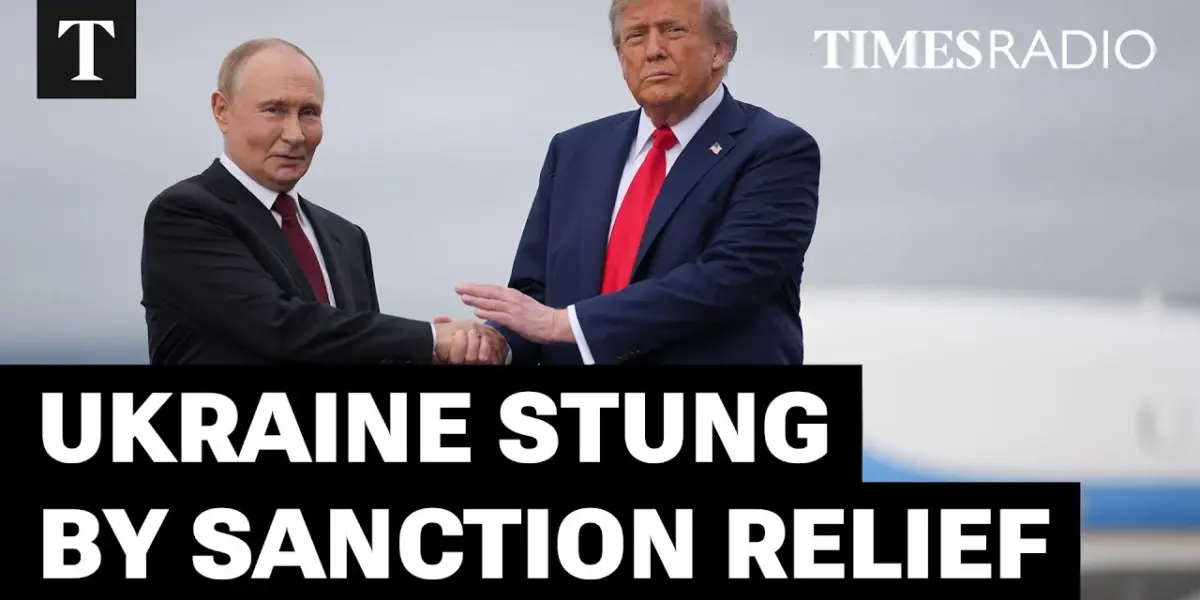
US Eases Russia Sanctions, Sparking Global Concern and Putin Boost
In a move that has sent ripples of concern through allied nations, the United States has decided to ease certain sanctions against Russia, a decision reportedly aimed at de-escalating tensions surrounding the Strait of Hormuz crisis in Iran. The move, however, has drawn sharp criticism from key G7 partners and is seen by many as a significant political and financial boost for Vladimir Putin’s regime, particularly amid the ongoing war in Ukraine.
G7 Allies Express Surprise and Disagreement
The decision to relax sanctions on Russian oil has been met with significant pushback from several G7 leaders. Canadian Prime Minister Mark Carney and German Chancellor Friedrich Mertz voiced their surprise and strong opposition following a G7 video conference. “Six out of seven were clearly of the opinion that we should not release sanctions against Russia,” stated a representative, highlighting a notable division within the normally aligned group of major economies. Canada, for its part, remains committed to maintaining all sanctions on Russia, including those targeting the “shadow fleet” involved in transporting oil.
“We were a little bit surprised that uh we heard this morning that the American government decided differently. Canada’s position is to maintain sanctions on on Russia, maintain sanctions, including on the shadow fleet, which is moving uh this oil.”
French President Emmanuel Macron has also argued that there is no justification for the US decision, questioning how it could benefit Putin’s regime while it remains at war with Ukraine. This divergence in approach among allies raises questions about the long-term effectiveness of international pressure on Russia.
Expert Analysis: A Boost for Putin’s War Effort?
Donald Jensen, Director of Russia and Europe at the United States Institute of Peace and a former US diplomat in Moscow, shared his insights on the implications of this policy shift. While not entirely surprised, Jensen expressed significant alarm, particularly for those advocating for sustained pressure on the Putin regime. He noted that while panic may not be immediately warranted due to several unknowns, the decision undeniably aids Putin’s war effort in Ukraine and could force Kyiv to adjust its recently effective operational tactics.
A primary concern, according to Jensen, is whether this sanction relaxation will extend beyond the one-month period initially established in the released documents. The uncertainty surrounding this future extension casts a long shadow over the potential impact.
Financial Implications for Russia and Ukraine
Ukrainian President Volodymyr Zelenskyy has estimated that the eased sanctions could provide the Kremlin with approximately $10 billion, a figure Jensen believes might be an exaggeration but fundamentally accurate in principle. “This provides additional Russian money to the Kremlin to carry on its war effort,” Jensen stated, acknowledging that bureaucratic delays in Russia might postpone the immediate financial impact. However, he warned that if the relaxation continues beyond the initial period, the financial benefits for Russia could become substantial, especially if it enables Moscow to better fund expensive contracts for fighters in the Donbas.
The Political Optics and Russia’s Global Standing
Beyond the direct financial gains, Jensen highlighted a significant political consequence: the perception that Russia is once again a “big player” on the world stage. “This suggests that the US and the world need Russia. They need Russia’s energy. Russia’s back to being a big player,” he explained. This political narrative, he argues, is as concerning as the renewed flow of money into the Kremlin’s coffers, potentially emboldening Putin and undermining international resolve.
Who is Buying Russian Oil?
The question of who is benefiting most from Russia’s oil sales in this new environment is crucial. Jensen indicated that Russia is engaging in both direct sales and sales through proxies. “India and China will of course probably be the biggest uh uh people who countries who adjust to this this new situation. Thailand this morning also indicated it was going to buy some Russian oil as well,” he noted. This broadens the base of countries willing to engage with Russian energy, further solidifying its position.
Domestic Politics and Oil Prices in the US
Jensen also pointed to domestic political considerations within the United States as a driving factor behind the decision. With the Trump administration facing low domestic poll numbers and an upcoming election season, preventing a surge in oil prices is a key objective. “They don’t want the pro cost of oil to skyrocket as we run up into an election season,” he observed. However, he expressed skepticism that these specific measures would be sufficient to significantly lower or stabilize gasoline prices for American consumers, suggesting that further difficult decisions may lie ahead if prices remain high and the sanction relaxation continues.
Debate Over Economic Stability vs. Sanctions Enforcement
A devil’s advocate perspective suggests that the US might be acting to prevent global economic chaos, which could ultimately hinder the ability to fund Ukraine. The argument posits that ensuring global economic stability, even at the cost of temporarily benefiting Russia, might be a necessary pragmatic step. Jensen acknowledged the validity of this practical point, stating, “Yes, that is the case. We may have to hold our nose for a while.”
However, he reiterated that the political dimension—Russia reclaiming its status as a major global player—cannot be overlooked. He cited Russia’s recent statements about revisiting negotiations in light of “current circumstances” as evidence that the perception of renewed international engagement can embolden Moscow and undermine previous diplomatic efforts. This uncertainty, Jensen concluded, is a significant source of nervousness.
Looking Ahead: Uncertainty and Future Decisions
The coming weeks will be critical in determining the full impact of the US decision to ease sanctions on Russia. Key factors to watch include whether the relaxation will be extended beyond the initial period, the subsequent reaction from European allies, and the ongoing effectiveness of Ukraine’s military operations. The interplay between global energy markets, domestic US politics, and the geopolitical standing of Russia will continue to shape this complex and unfolding situation.
Source: Trump Easing Sanctions Launches Russia Onto World Stage As 'Big Player' | Donald Jensen (YouTube)

Related Articles
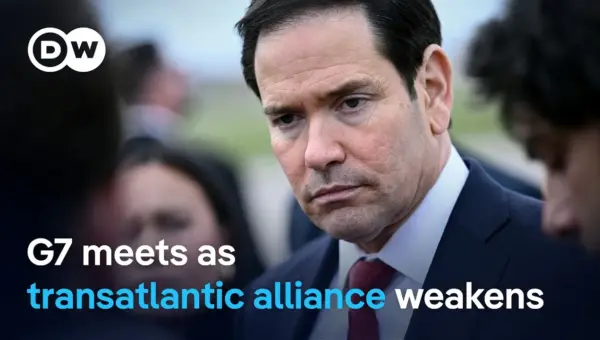
G7 Allies Clash Over Iran War Strategy, Urge Focus on Russia
G7 foreign ministers met in Paris, revealing deep divisions over the U.S. war with Iran. European allies urged the U.S. to pressure Russia, linking its actions to the conflict and fearing support for Ukraine will wane.
Trump’s Name Everywhere: A ‘Stain’ on GOP Legacy?
Former President Donald Trump's efforts to brand national symbols, including a proposed signature on dollar bills, spark debate. Critics view this as an authoritarian attempt to embed his legacy, potentially staining the Republican Party's history and contrasting with democratic ideals of public ownership.

Trump’s War Talk Stuns Financial Crowd
Donald Trump's recent speech in Miami focused on his foreign policy, particularly his critical views on NATO and his vision for international relations. He declared the U.S. would no longer defend NATO allies, questioned the value of existing alliances, and suggested renaming the Strait of Hormuz. The speech also touched on his personal views of success, his allies, and his perceived role as a global peacemaker.