US Eases Russia Sanctions Amid Mideast War, Aiding Moscow
The U.S. has eased some sanctions on Russian oil, a move experts say provides a political boost to Moscow and shifts geopolitical focus away from Ukraine. Despite this, Russia's economy remains in a precarious state, prioritizing military spending over civilian needs and living standards.

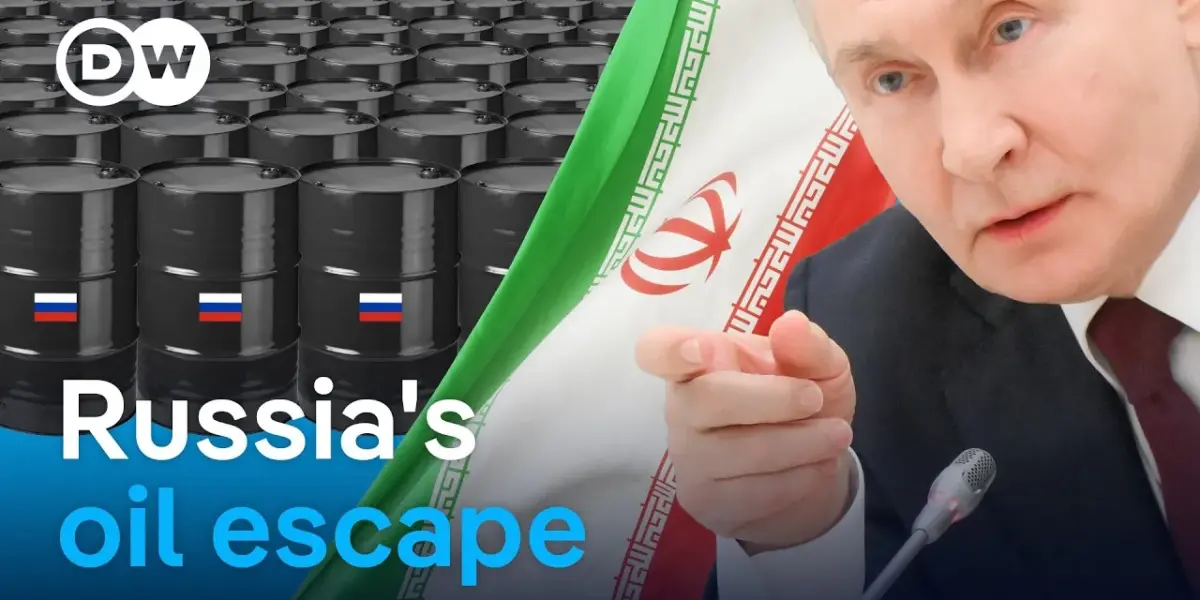
US Loosens Russia Oil Sanctions, Aiding Moscow Amid Mideast Conflict
In a significant policy shift, the United States has eased some sanctions on Russian oil and petroleum products, allowing those already loaded onto vessels at sea to be transported. This move, reportedly aimed at mitigating the global economic impact of the ongoing Israel-Iran conflict, marks the first time allies have unilaterally lifted or altered sanctions since Russia’s full-scale invasion of Ukraine. Experts suggest this could be a strategic win for Moscow, potentially emboldening President Putin by breaking the unified front on sanctions.
Sanctions Relief: A “Game Changer” for Russia?
Alexandra Proenko, a former Bank of Russia official and now with the Cariegi Russia Eurasia Center, discussed the implications of the U.S. decision. While the immediate financial impact on Russia’s economy might be limited by the one-month duration and the specific nature of the waiver (applying only to oil already in transit), Proenko highlighted a more profound consequence: the breach of the principle that sanctions would hold regardless of circumstances. “This is precedent for Putin, which makes him pretty happy,” she stated. Previously, G7 countries coordinated their sanction policies, creating a robust framework. The unilateral U.S. adjustment, driven by domestic price pressures and concerns ahead of midterm elections, has created the “first hole in the sanctions regime itself,” according to Proenko.
“The principle that sanctions hold regardless of circumstances has been broken and this is precedent for Putin, which makes him pretty happy.”
– Alexandra Proenko
Economic Realities Behind the Relief
While the prospect of higher oil prices, which constitute about a quarter of Russia’s government revenue, could theoretically add billions to Moscow’s coffers, Proenko cautioned against overstating the immediate economic gains for Russia. She noted that alongside the sanctions relief discussions, Russia is contemplating significant budget cuts of up to 10% and changes to its fiscal rule. The government is reportedly cautious about potential oil windfalls, with discussions underway to lower the oil price breakeven point from $59 per barrel to figures as low as $45. The extreme volatility of oil prices, with daily revenues fluctuating significantly, adds another layer of uncertainty.
Proenko elaborated on Moscow’s ideal scenario: not a swift victory or catastrophic escalation, but a medium-term conflict of moderate intensity. This would keep oil prices elevated enough to benefit Russia without triggering a global recession that would damage its own economy. Therefore, she assessed that the Kremlin’s gains from the current situation are more political than economic.
Shifting Geopolitical Focus: Ukraine Becomes a Secondary Front
The geopolitical implications of the Middle East conflict extending to Iran are also significant. Proenko downplayed the idea of Iran being a key military ally for Russia, characterizing their relationship as transactional and a “marriage of convenience.” Bilateral trade is minimal compared to Russia’s economic ties with China. Furthermore, Russia has developed its own domestic versions of Iranian drones, reducing its reliance on Tehran. Proenko suggested that losing Iran as a partner would not be as detrimental as it might have been earlier in the conflict. Economically, Moscow may even save money by no longer funding joint infrastructure projects with Iran.
Crucially, the escalating conflict in the Middle East has diverted U.S. attention, resources, and political capital away from Ukraine. This shift has made Ukraine a “secondary front diplomatically and militarily for the United States.” The resumption of trilateral talks between Russia, the U.S., and Ukraine has stalled, effectively freeing up Russia’s hands in Ukraine in a way they weren’t weeks prior.
Russia’s Economy: Stuck in the “Death Zone”
Despite a surprising recovery from a 1% contraction in 2022 to over 4% growth in 2023, Russia’s economic outlook remains precarious. The International Monetary Fund forecasts only 0.8% growth for the current year. Proenko described the Russian economy as being in the “death zone,” an analogy used in mountaineering for altitudes above 8,000 meters where the body consumes itself faster than it can repair. This means the economy is structurally changed, prioritizing the military sector, which consumes all available resources, at the expense of private businesses and consumer industries.
“The body burning its own muscles for worms,” Proenko stated, illustrating how military production—shells, tanks, and payments to soldiers—does not represent sustainable growth. The economy faces limitations in labor, financial, and technological resources. Despite efforts to maintain an illusion of normalcy, living standards are visibly eroding. Disruptions to mobile internet services, impacting essential services like banking and transportation, and increased drone attacks on Russian territory highlight this decline. Businesses are burdened with the cost of anti-drone defense, and payment systems face transactional costs due to complex workarounds to circumvent sanctions.
Putin’s Trilemma: War, Living Standards, and Stability
Proenko identified Putin’s central dilemma: financing the war, maintaining living standards, and ensuring macroeconomic stability. Currently, financing the war has taken precedence, leading to high interest rates and inflation above the central bank’s target. Macroeconomic stability is described as a precarious negative equilibrium, while living standards are demonstrably eroding. The currency, the ruble, has shown surprising resilience against the dollar, not due to strong economic fundamentals but due to limited tools for intervention, an opaque exchange market, and disruptions caused by sanctions and workarounds affecting trade flows.
Ultimately, Proenko concluded that the Russian economy is not collapsing but is in a state of profound disruption. To avoid collapse, the war must end, but even that would not guarantee immediate recovery. The current trajectory suggests a continued focus on military spending, which structurally hinders broad economic development and strains the well-being of the average Russian citizen.
Source: Russia’s oil escape as the US loosens sanctions | DW Business (YouTube)

Related Articles
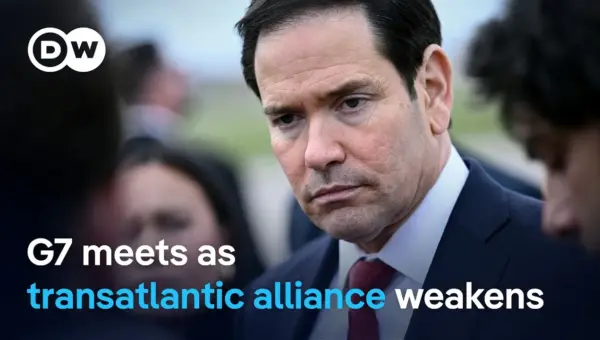
G7 Allies Clash Over Iran War Strategy, Urge Focus on Russia
G7 foreign ministers met in Paris, revealing deep divisions over the U.S. war with Iran. European allies urged the U.S. to pressure Russia, linking its actions to the conflict and fearing support for Ukraine will wane.

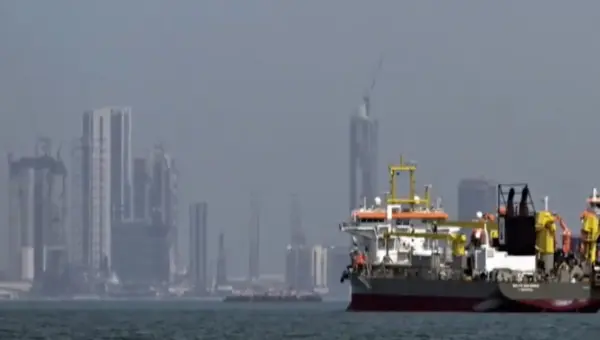
Iran Blocks China Ships, Exposing Beijing’s Weak Grip
Iran's recent decision to block Chinese ships at the Strait of Hormuz is exposing the limits of Beijing's influence in the Middle East. This action is causing delays and cancellations for Chinese manufacturers, turning a perceived geopolitical win into an economic strain.
Trump’s “Walk Away” Tactic Signals Tougher Stance on China
Retired Air Force Brigadier General David Stillwell believes President Trump's strategy of being willing to walk away from negotiations puts pressure on China. This tactic, combined with US global actions and strengthened alliances, signals a more assertive American foreign policy.