US Eases Iran Sanctions Amid Global Oil Squeeze
The U.S. has temporarily lifted sanctions on Iranian oil exports to boost global supply and combat rising energy prices. This move comes amid escalating Middle East tensions and concerns about inflation and market volatility. The decision highlights the complex interplay between geopolitics and the global economy.

US Eases Iran Sanctions Amid Global Oil Squeeze
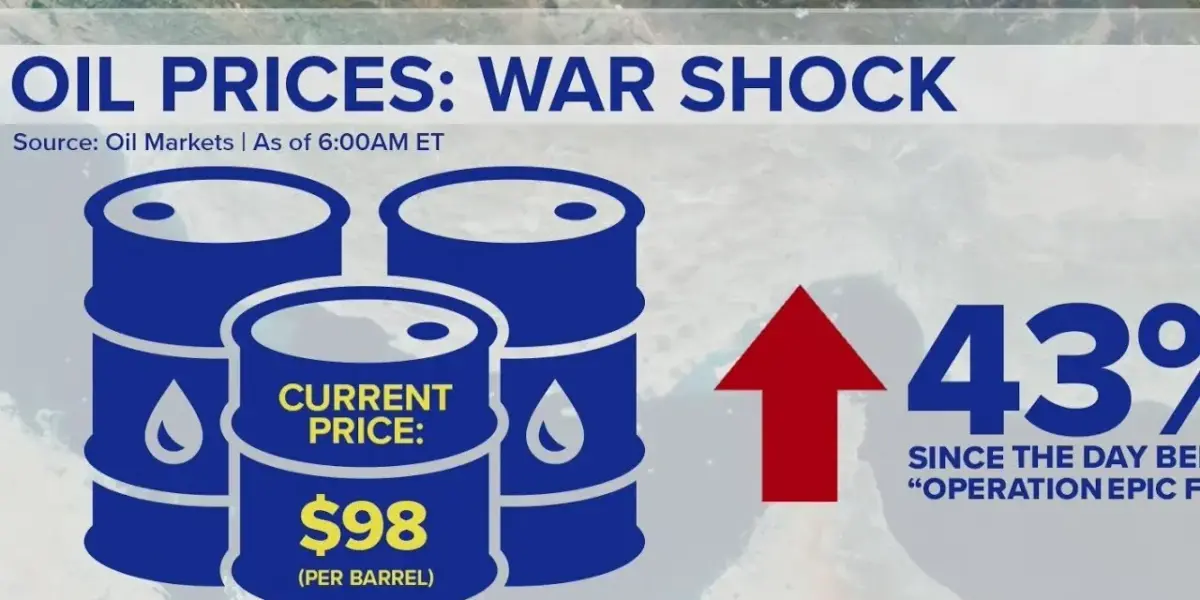
The United States has temporarily lifted sanctions on Iranian oil exports. This move aims to increase the global oil supply and help lower rising energy prices. The decision comes as tensions in the Middle East increase, causing concern for Americans and the global economy.
Supply and Demand Under Pressure
The energy situation is serious. Demand for oil has not decreased. However, supply chains are being disrupted, especially through the Strait of Hormuz. This interruption means higher prices at the gas pump for consumers. When gas prices rise, the cost of almost everything else tends to increase as well. This affects everyone across the country.
Economic Concerns Grow
Federal Reserve Chair Jerome Powell stated it is too early to know the full economic impact of the conflict in Iran. This shows widespread caution among policymakers. Energy prices and trade could shift significantly. This signals serious economic pressure on Americans and businesses.
Inflation Fears Rise
Rising inflation is a major concern. If inflation continues to climb, the Federal Reserve may not lower interest rates. Combining high inflation with a slowing economy can lead to rising unemployment. This situation, known as stagflation, is a difficult economic challenge.
Two Fronts of Conflict
The U.S. is facing challenges on two fronts. There is military action in the Middle East. There are also economic pressures at home. Investors are watching the stock market closely. Stock prices have been unstable due to the ongoing conflict.
Market Volatility and Investor Confidence
The Dow Jones Industrial Average fell 1% on Friday. The Nasdaq dropped 2%, and the S&P 500 lost 1.5%. The stock market dislikes uncertainty. It can handle known problems, even bad news. However, a military conflict creates widespread uncertainty. While the U.S. is expected to prevail militarily, Iran is likely to continue causing economic problems globally, especially concerning oil flow.
The Cost of Conflict
The Pentagon has asked Congress for an additional $200 billion to fund military operations. This request has sparked debate in Washington about how long the conflict might last. Increased spending and a prolonged conflict could have significant short-term and long-term economic consequences for the United States.
Government Spending and Inflation
When the government spends heavily, it can lead to inflation. The hope is that increased military spending will help end the conflict quickly. A faster resolution could reduce economic pain for Americans. However, the longer the conflict continues, the more unpopular it may become and the more economic hardship Americans will face.
Looking Ahead: Short-Term Pain, Long-Term Recovery
Ultimately, the conflict is expected to end. However, there will be short-term economic pain. Once the conflict is over, policies in place should help the U.S. economy recover. This recovery may not be quick. The conflict’s economic impact could also affect upcoming midterm elections.
Global Impact
This temporary easing of sanctions on Iranian oil aims to stabilize global energy markets. The Strait of Hormuz is a critical chokepoint for oil transport. Any disruption there impacts prices worldwide. By allowing more Iranian oil into the market, the U.S. hopes to mitigate the economic fallout from regional instability. This move highlights the intricate connection between geopolitical events and global economic stability, particularly in energy markets. The world watches closely as these decisions unfold, understanding that energy prices affect everything from household budgets to international trade.
Historical Context
The U.S. has previously used sanctions as a tool to influence Iran’s behavior. These sanctions often target Iran’s oil sector, a key source of revenue for the country. Lifting them, even temporarily, marks a significant shift in policy. It suggests a strategic calculation to balance national security concerns with economic realities. Past U.S. administrations have also navigated complex relationships with Iran, often involving a mix of pressure and diplomacy. This current situation echoes historical patterns of strategic responses to regional conflicts and their economic consequences.
Economic Leverage
Oil remains a powerful economic weapon. Iran’s ability to export oil, even under sanctions, influences global prices. The U.S. decision to temporarily lift sanctions acknowledges this leverage. It aims to use the increased supply to counter price hikes. This also affects international trade routes and energy security for many nations. The global reliance on oil makes energy markets highly sensitive to geopolitical events in producer regions.
Future Scenarios
One scenario is that the increased oil supply quickly stabilizes prices, easing economic pressure. Another possibility is that the conflict escalates further, overwhelming the impact of increased supply and leading to sustained high prices. A third scenario involves a prolonged period of uncertainty, with markets reacting nervously to daily developments. The long-term economic impact will depend heavily on the duration of the conflict and the effectiveness of U.S. policy responses.
Source: Trump temporarily lifts Iranian oil sanctions | Morning in America (YouTube)

Related Articles


AI Threatens White-Collar Jobs, Reshaping U.S. Workforce
Artificial intelligence is poised to significantly reshape the U.S. job market, raising concerns among recent graduates and experienced professionals about future employment. While some lawmakers call for regulation, experts emphasize adaptation and learning to work with AI.

U.S. Iran Tensions Rise Amid Shifting Alliances
Rising tensions between the U.S. and Iran are creating a volatile geopolitical situation. With conflicting signals on de-escalation and potential shifts in alliances like NATO and U.S.-Israel relations, the path forward remains uncertain. The global economy and regional stability hang in the balance.


Iran Targets US With Cyberattacks, Escalating Digital Warfare
Iran is increasingly using cyberattacks to challenge the U.S., as seen in a recent hack of the FBI director's account. Experts say this is a strategic shift due to Iran's limitations in conventional warfare. The U.S. needs to strengthen its digital defenses, focusing on encryption and cloud computing, rather than solely relying on traditional security measures.