US Drone Vanishes Near Iran; Tensions Escalate Dramatically
A US military drone vanished near Iran after broadcasting an emergency signal, raising fears it was shot down. This incident escalates already high tensions, with stalled ceasefire talks and a severely disrupted Strait of Hormuz. The region teeters on a knife's edge.

US Drone Vanishes Near Iran; Tensions Escalate Dramatically
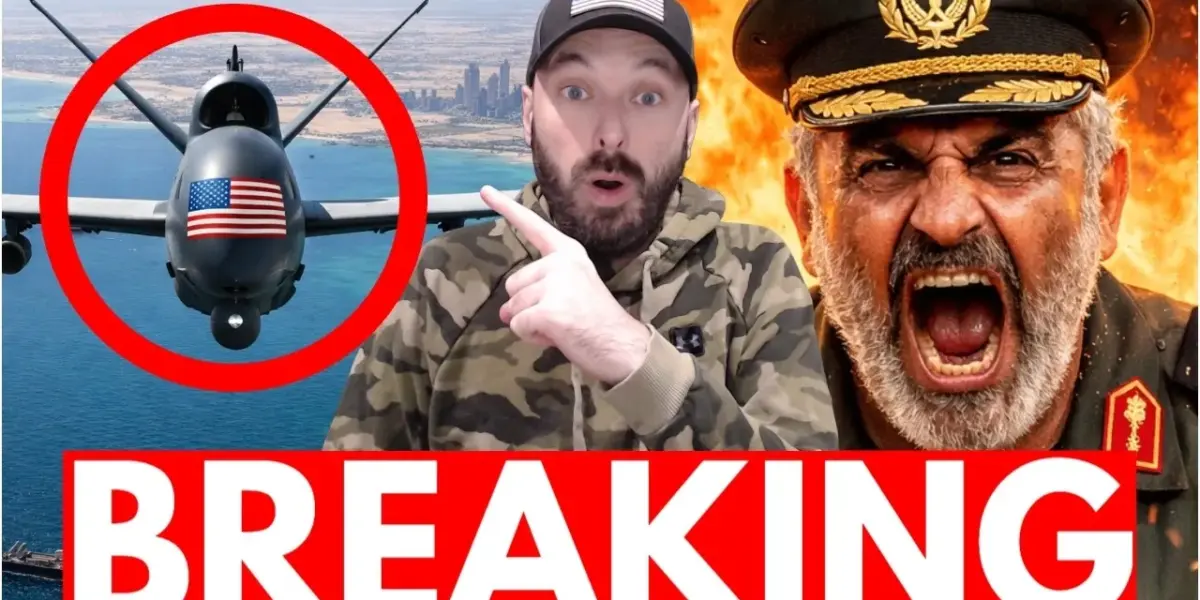
A United States military drone, one of the most advanced in the world, has disappeared from radar systems over the Persian Gulf. The aircraft, an MQ4C, was tracked heading towards Iran before it began broadcasting an emergency signal. This signal, known as squawking 7700, indicates a serious issue on board. Shortly after, the drone rapidly descended and vanished from tracking data. Its current status and location remain unknown, raising concerns about its fate.
Two Scenarios Emerge
The incident leaves two primary possibilities. The drone may have suffered a critical malfunction, causing it to crash into the sea. Alternatively, it could have been shot down by Iranian forces. It is important to note that the aircraft was reportedly in international waters when it disappeared, not in Iranian airspace. However, this does not rule out an aggressive response from Iran.
Iran’s Drone Incidents and Regional Instability
This event follows closely on the heels of Iran announcing it shot down an Israeli drone. Reports indicate this incident resulted in casualties, including a child. Experts suggest shooting down drones is significantly easier than targeting fighter jets due to their slower speed and fewer defensive capabilities. The loss of multiple drones in a short period, potentially including the American MQ4C, suggests a pattern of heightened Iranian defensive actions near its borders.
Mysterious Air Activity Over Iran
Adding to the confusion, there have been reports of significant jet activity over Iran’s Khostan Province. The origin of these aircraft is unclear. Possibilities range from Iranian domestic forces to potential strikes by other regional powers. This follows an earlier bombing of an Iranian oil facility, an attack for which no group has claimed responsibility. The lack of attribution for these actions highlights a complex and potentially covert conflict developing in the region.
Ceasefire Negotiations Face Major Hurdles
Meanwhile, diplomatic efforts are struggling. Iran’s parliament speaker has stated that Hezbollah is a crucial part of any ceasefire agreement. Iran insists that Israel must stop striking Lebanon and its allies. This stance has created a significant roadblock in peace talks. Israeli Prime Minister Benjamin Netanyahu has expressed that US and Iranian demands are not aligned. He also indicated that Israel may take military action if an agreement on Iran’s nuclear program is not reached.
Strait of Hormuz Traffic Remains Severely Limited
The vital Strait of Hormuz has seen a dramatic drop in traffic since a recent two-week ceasefire began. Data shows no oil or natural gas tankers have passed through the strait. This is despite claims from the White House of increased activity. Iran, however, asserts the strait is effectively closed due to Israeli attacks on Hezbollah. Iran has implemented a new system requiring ships to enter its territory and pay a significant toll, reportedly $2 million per vessel, to pass through.
Trump’s Firm Stance on Military Presence
Former President Trump has outlined a strong military posture, stating that US forces, equipment, and ammunition will remain in and around Iran until a “real agreement” is reached. He emphasized that the military is prepared for further action if necessary, promising a stronger response than ever before. Trump also reaffirmed a past agreement to prevent Iran from obtaining nuclear weapons and ensure the Strait of Hormuz remains open and safe.
Outlook: A Fragile Calm Before Potential Storm
The current situation is fraught with uncertainty. The disappearance of the US drone, combined with ongoing drone shootdowns and stalled negotiations, points to a highly volatile environment. The ceasefire appears fragile, and the Strait of Hormuz remains a point of contention. While some hope for de-escalation, the rhetoric and actions suggest a potential for further conflict. The coming days and weeks will be critical in determining whether the region can navigate these challenges or if tensions will erupt into a more significant confrontation.
Why This Matters
The events unfolding near Iran have significant global implications. The Strait of Hormuz is a critical chokepoint for global oil supplies. Any disruption there can lead to soaring energy prices worldwide. Furthermore, the potential for direct or indirect military conflict between major powers in this volatile region carries immense risks. The success or failure of diplomatic efforts directly impacts regional stability and international security.
Historical Context
Tensions between the United States, Iran, and Israel have a long history. Iran’s nuclear program has been a major concern for decades, leading to international sanctions and diplomatic standoffs. The Strait of Hormuz has frequently been a flashpoint, with various incidents involving shipping and military vessels. Drone technology has become increasingly important in modern warfare, and its use in this region highlights evolving military strategies and the risks associated with advanced surveillance and potential interception.
Source: U.S. Military Aircraft DISAPPEARS Near Iran – Possibly Shot Down (YouTube)

Related Articles
China Courts US Oil Amid Iran Deal, Rare Earth Race Heats Up
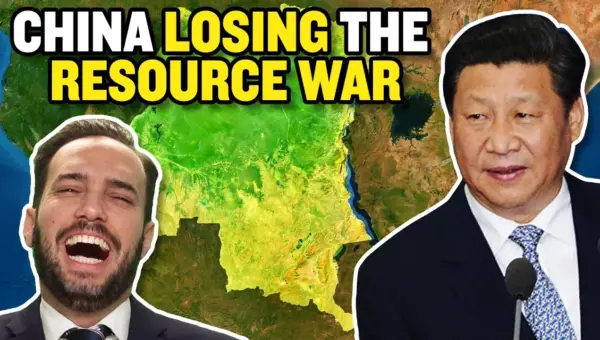
China is now importing US oil amid a complex geopolitical landscape, including brokering an Iran ceasefire and facing challenges in its rare earths dominance. Meanwhile, regional disputes over strategic islands and airspace add to global tensions.
Iran Threatens Strait of Hormuz Amid Lebanon Strikes
Iran threatens to close the vital Strait of Hormuz in response to ongoing strikes in Lebanon. The US is trying to de-escalate, but actions on the ground remain a concern, potentially impacting global oil markets and future negotiations.
Senator Slams Jeffries’ Iran Stance, Cites Nuclear Threat
Senator Rick Scott sharply criticized House Democratic Leader Hakeem Jeffries over his stance on Iran, calling him an "idiot" for seeking to limit the President's authority. Scott highlighted the threat of Iran developing nuclear weapons. The discussion also covered President Trump's stance on NATO and the ongoing DHS funding shutdown.