US Dominates Iran’s Skies: Electronic Warfare is Key
The US has established significant air superiority over Iran, largely due to advanced electronic warfare. This allows American forces to monitor Iranian communications and defense systems, effectively neutralizing their ability to retaliate. The dominance extends to critical infrastructure, posing a threat to Iran's ability to function.

US Dominates Iran’s Skies: Electronic Warfare is Key
The United States has achieved a significant military advantage over Iran, effectively controlling its airspace. This dominance is largely due to advanced electronic warfare capabilities, which allow US forces to monitor and disable Iranian communications and defense systems. This strategic win means the US can keep a close watch on Iranian nuclear sites and potentially stop any attempts to develop weapons.
A New Era of Air Superiority
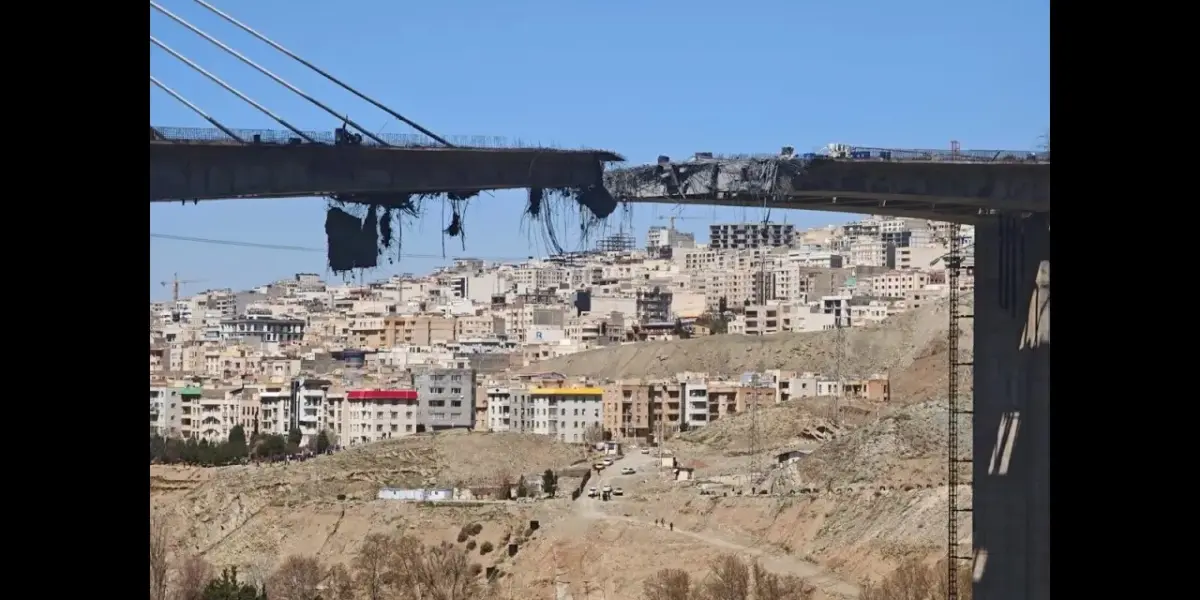
Former US Navy Captain Dave Curtz explains that US strikes over the past month have shown Iran that the United States can monitor its nuclear facilities and act if Iran tries to move toward nuclear weapons. He calls this a major strategic success. The US military has proven it can operate with almost no interference inside Iran. This capability means the US can target critical infrastructure like bridges and power plants if Iran breaks a ceasefire agreement.
These targets are vital. Powering communication networks, command centers, and air defense systems all depend on electricity. Bridges are also crucial for moving troops, leaders, or nuclear materials. Disrupting these could severely weaken Iran’s ability to function and defend itself.
Iran’s Air Defense is Grounded
Curtz stated that Iran currently has no effective air defense network. He believes it’s nearly impossible for Iran to regain control of its skies. The US has flown over 13,000 missions in the last month with only one aircraft lost. This shows Iran’s air defense systems are no match for US technology.
Electronic warfare aircraft constantly monitor for any active electronic signals from Iranian radar, missile, or communication systems. Once found, these systems can be jammed, disrupted, or destroyed. This makes it extremely difficult for Iran to defend its airspace, move its forces, or protect its leaders.
What is Electronic Warfare?
Electronic warfare involves using technology to control the electromagnetic spectrum. This means using special aircraft to:
- Surveil: Listen for and identify electronic signals from enemy systems.
- Attack: Jam or disable enemy radar, communications, and missile systems.
- Protect: Shield friendly forces from enemy electronic attacks.
This technology allows US forces to operate freely, while limiting Iran’s ability to respond or coordinate its defenses.
Trained for the Fight
US pilots and sailors are highly prepared for this type of conflict. Aircraft carriers are launching missions that are part of demanding training exercises designed for these exact scenarios. The recent rescue of an F-15 pilot demonstrated this readiness. Multiple branches of the military worked together seamlessly from different bases to complete the mission without casualties.
International Dynamics
Meanwhile, Russia and China recently blocked a UN resolution aimed at protecting the Strait of Hormuz. This action suggests a working relationship between these nations and Iran. Curtz noted that Russian and Chinese ships were among those using the strait when it was previously disrupted.
By blocking the resolution, Russia and China may feel they have an advantage. They can continue to receive oil supplies while limiting them for others. With 20% of the world’s oil passing through the strait, and Iran and China receiving much of it despite sanctions, they have little reason to support unrestricted oil flow for the rest of the world.
Future Outlook
The US control over the electromagnetic spectrum will continue to shape the conflict. It severely limits Iran’s ability to communicate, command its forces, move its leaders, and launch missiles. This dominance makes any tactical or strategic impact from Iran extremely difficult.
So far, there have been no significant threats to US control of the electromagnetic spectrum. The single F-15 loss appears to have been caused by a man-portable air defense system, which did not involve radar. This suggests that even advanced Russian and Chinese-supplied systems have been ineffective against US electronic warfare capabilities.
Why This Matters
This situation highlights the critical role of advanced technology, particularly electronic warfare, in modern military conflicts. It shows how controlling communication and radar systems can be as important as traditional air power. The US demonstrated its ability to neutralize an adversary’s defenses without widespread destruction. This approach allows for precise targeting and limits collateral damage. It also underscores the complex geopolitical alliances at play, with Russia and China potentially aligning against US interests in key global trade routes like the Strait of Hormuz.
Historical Context
The ongoing tensions between the US and Iran have a long history, marked by political disputes and military standoffs. Past US actions, like sanctions and military presence in the region, have aimed to curb Iran’s nuclear program and influence. This current situation represents a shift in tactics, focusing on technological superiority and electronic dominance rather than solely on kinetic strikes. The ability to monitor and disrupt enemy systems from afar has become a key component of US military strategy, building on lessons learned from previous conflicts where air superiority and information control proved decisive.
Source: US Operations in Iran Unaffected by Chinese and Russian Communication Tech: Expert (YouTube)

Related Articles


Congress Must Curb Trump’s War Powers Now
Concerns are mounting over President Trump's actions regarding Iran, prompting calls for Congress to reclaim its constitutional war powers. Senator Schumer is forcing a vote to highlight this issue, putting Republicans in a tough spot during an election year. This debate is crucial for maintaining the balance of power in U.S. foreign policy.

Iran Demands Full Control Over Strait of Hormuz
Iran is pushing for maximum control over the Strait of Hormuz, presenting a maximalist demand in ongoing negotiations. Deep disagreements persist between key global players, particularly concerning Iran's nuclear ambitions and the stability of a potential ceasefire. The clarity and unity of negotiating teams remain uncertain, adding further complexity to the delicate geopolitical situation.


WTO Crumbles, Ushering In Global Trade Wars
The World Trade Organization is collapsing, signaling a return to global trade wars and regional economic blocs. This shift is driven by changing U.S. priorities and the WTO's own structural flaws, forcing countries to find new economic and political models.