US Divided as Iran War Tests Political Resolve
The U.S. faces internal division as the war in Iran enters its fifth week. Troop deployments are increasing, while lawmakers and voters question the conflict's objectives and costs, impacting upcoming midterm elections and global stability.

US Divided as Iran War Tests Political Resolve
As the conflict with Iran enters its fifth week, the United States finds itself increasingly divided. The White House is deploying more troops to the Middle East, while lawmakers and voters are questioning the war’s objectives and costs. This division poses a significant challenge for President Biden, especially with midterm elections just months away.
Troop Deployments Escalate Tensions
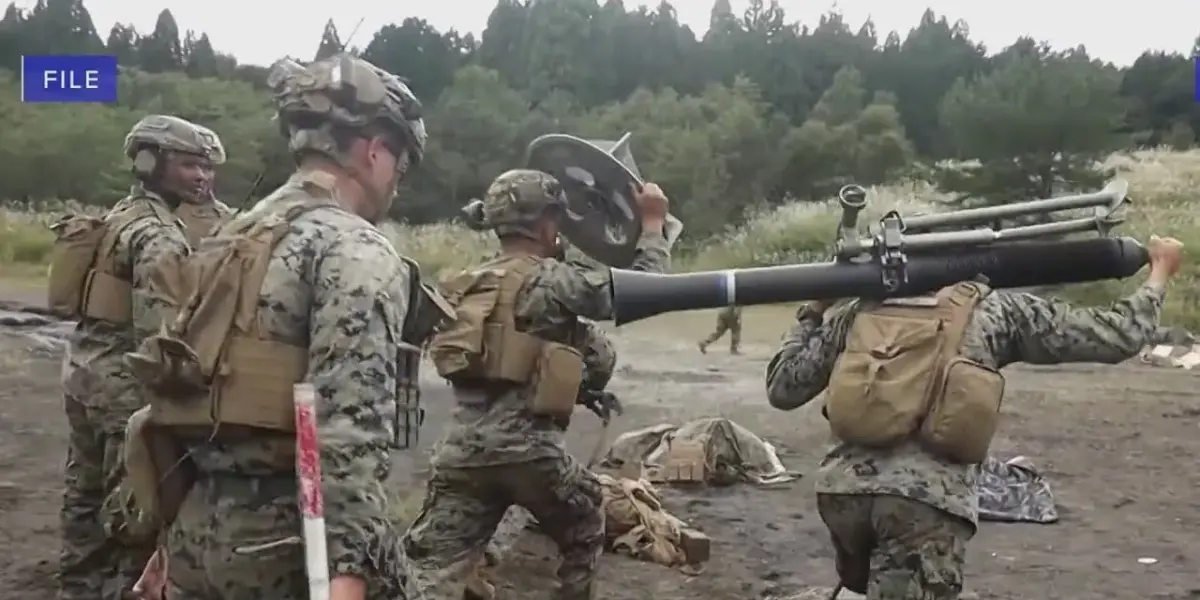
More than 2,000 Marines from the 31st Expeditionary Unit are en route to the Middle East aboard the USS Tripoli, potentially arriving as soon as tomorrow. Additionally, members of the 82nd Airborne Division are also being sent to the region. These deployments suggest the U.S. is preparing for a potential ground assault, a move that carries significant risks and costs.
Conflicting Messages on Peace Talks
While the U.S. military presence grows, the White House and Iran are sending mixed signals about the status of peace talks. The lack of clear communication on diplomatic progress fuels uncertainty and concern among both domestic audiences and international partners.
Lawmakers Express Growing Doubts
Within the U.S. Congress, opinions on the war are starting to diverge. Republican Representative Nancy Mace attended a briefing on the conflict and later stated that the public’s understanding of the war did not align with the information she received. She called the situation “deeply troubling” and declared her opposition to U.S. troops being on the ground in Iran, especially after the briefing.
On the Democratic side, Senator Richard Blumenthal voiced concerns about the President’s objectives. He warned that achieving these goals might require “boots on the ground,” a prospect that is unpopular across both major parties. These statements highlight a growing unease among elected officials regarding the war’s direction and potential escalation.
Midterm Elections Loom Large
With the midterm elections just seven to eight months away, the conflict in the Middle East could become a major campaign issue. President Biden addressed a Republican fundraiser, promising to campaign for all Republican candidates and expressing confidence in the GOP’s ability to expand its majority in the House and Senate.
However, the war’s impact on public opinion is becoming evident. While a majority of Republicans initially supported the military action, recent polling shows this support is starting to decline, dropping seven points in the past few weeks. For Democrats, support for the President’s handling of the war is very low, with only 5% in favor, compared to 76% of Republicans.
Economic Fallout: Higher Fuel Prices
Americans are already feeling the war’s effects through higher fuel prices. The President acknowledged this economic impact, stating that he had expected it to be worse. He described the conflict as a “short-term necessity” to prevent Iran from acquiring nuclear weapons. This justification, however, does little to ease the burden of rising costs for many citizens.
Global Impact: Shifting Alliances and Economic Strain
The ongoing conflict and U.S. military actions in the Middle East have broader implications. Increased military deployments can alter regional power dynamics and potentially draw other nations into the conflict. The economic strain from higher energy prices can affect global markets and create instability.
Historically, prolonged military engagements in the Middle East have often led to unintended consequences, straining alliances and domestic resources. The current situation echoes past conflicts where initial objectives expanded, leading to deeper involvement and significant costs. The war’s duration and the growing domestic dissent suggest that the U.S. may face increasing pressure to find a diplomatic resolution or risk further political and economic damage.
Future Scenarios
Several outcomes are possible. The U.S. could achieve its stated objectives and withdraw, though this seems unlikely given the current trajectory. A prolonged conflict with escalating troop involvement is another possibility, which would likely further divide American voters and strain the economy. Alternatively, intense diplomatic pressure, possibly involving international partners, could lead to a de-escalation and a negotiated settlement. The most probable scenario, however, involves continued U.S. military presence and ongoing domestic political debate, especially as the midterm elections approach.
Source: US voters, lawmakers split as Iran war continues into fifth week | Morning in America (YouTube)

Related Articles

Iran Blocks China Ships, Exposing Beijing’s Weak Grip
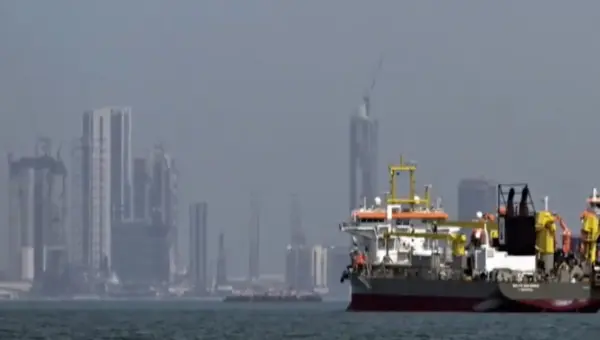
Iran's recent decision to block Chinese ships at the Strait of Hormuz is exposing the limits of Beijing's influence in the Middle East. This action is causing delays and cancellations for Chinese manufacturers, turning a perceived geopolitical win into an economic strain.
Rubio: US Can Achieve Iran War Goals Without Troops
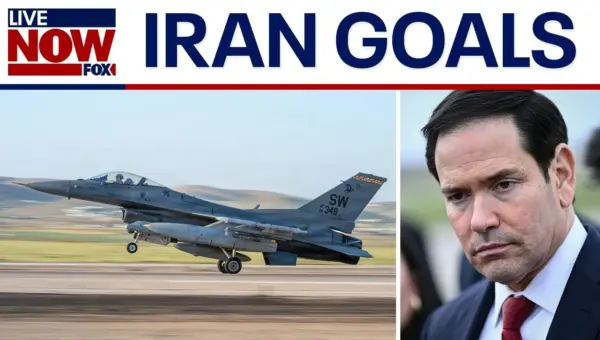
Senator Marco Rubio outlined a strategy to counter Iran without deploying U.S. ground troops, focusing on weakening the regime and enhancing maritime security. He also criticized Cuba's economic system and expressed concerns about West Bank violence.
Trump’s “Walk Away” Tactic Signals Tougher Stance on China
Retired Air Force Brigadier General David Stillwell believes President Trump's strategy of being willing to walk away from negotiations puts pressure on China. This tactic, combined with US global actions and strengthened alliances, signals a more assertive American foreign policy.