US Destroys Iran’s Military Power in 38 Days
The U.S. military has inflicted devastating damage on Iran's capabilities in a 38-day campaign, significantly weakening the regime. Key objectives include dismantling Iran's nuclear program and ensuring free navigation in the Strait of Hormuz.

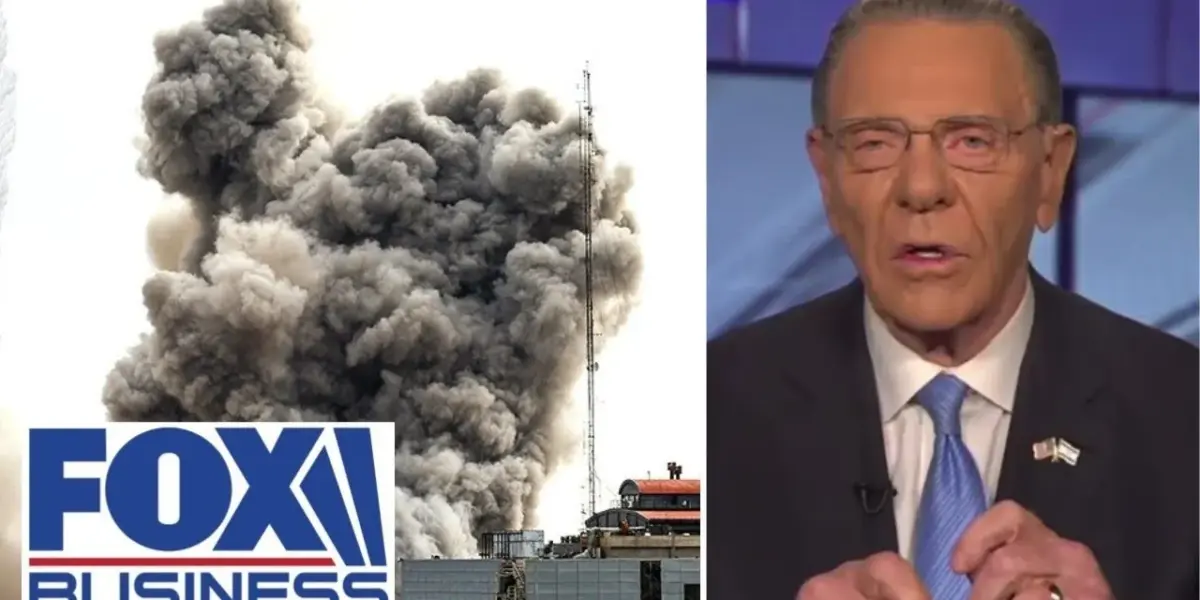
US Military Delivers Devastating Blow to Iran in 38-Day Campaign
In a swift and powerful military operation lasting just 38 days, the United States has significantly crippled Iran’s offensive and defensive capabilities. General Jack Keane, a senior strategic analyst, described the campaign’s results as “stunning,” detailing how much of Iran’s military industry and future potential has been destroyed. This level of destruction, according to Keane, is unmatched by any air campaign in history.
The operation aimed to stop Iran from acting as a regional predator and sponsoring terrorism. The results suggest these goals are being met, as Iran is described as no longer being the same country, regime, or military force it was before the 38 days of action.
Strait of Hormuz Remains Key Flashpoint
Despite the military successes, concerns remain about Iran’s influence, particularly concerning the Strait of Hormuz. This vital waterway is crucial for global oil transport. Iran has used its control over the Strait as leverage, demanding permission and fees from merchant ships wanting to pass through. This situation is seen as unacceptable and needs to be resolved.
The ongoing control of the Strait by Iran’s Navy and IRGC is a major point of contention. They are reportedly telling ships they need permission and must pay a fee, or risk being destroyed. This highlights the continued strategic importance of the Strait and the need for free navigation.
Negotiations and Iran’s Tactics
Following the military campaign, a cease-fire is in place, leading to potential negotiations. However, General Keane expressed skepticism about Iran’s approach to such talks. He described Iran as “masters” of negotiation, known for delaying, lying, and cheating. History suggests their promises to make a deal are often false, used to buy time.
The strategy, Keane suggests, is to delay negotiations for weeks. This delay allows Iran’s economy to recover, especially with rising oil prices and markets. It also aims to reduce political pressure on the current administration. Iran may be counting on a reluctance to re-engage militarily if negotiations fail.
President’s Resolve and Strategic Objectives
General Keane expressed confidence in the President’s ability to handle the situation. He noted that previous presidents had avoided confronting Iran substantively. The current President, however, is seen as responsible for taking on the regime and possessing the resolve to see it through. He is unlikely to accept a bad deal.
The military planners believe there are about two more weeks left to complete the remaining objectives. A key strategic asset mentioned is Kharg Island, a major oil distribution point for Iran. The plan is to take control of Kharg Island and destroy it if negotiations fail and Iran does not hand over its nuclear enrichment materials.
Taking control of or destroying Kharg Island would force an economic collapse of the Iranian regime. This would potentially lead to a change in leadership. The U.S. still holds strong cards and significant influence to achieve its objectives.
The End Game: Ultimatum and Free Navigation
The situation is described as being very close to the end of the conflict, one way or another. The U.S. military is not leaving the region. The two main strategic objectives now are to dismantle Iran’s nuclear program and ensure free navigation in the Strait of Hormuz.
The Strait of Hormuz is compared to other vital waterways like the Panama Canal and Suez Canal. Its control by Iran cannot be allowed to stand, just as its nuclear capability cannot be permitted.
Investor Takeaway: Geopolitical Stability and Oil Markets
The aggressive military action against Iran and the ongoing tensions surrounding the Strait of Hormuz have significant implications for global energy markets. A resolution that ensures free passage through the Strait of Hormuz is crucial for stabilizing oil prices and maintaining the flow of global trade.
Investors should monitor developments closely. Any escalation or prolonged instability in the region could lead to increased oil prices and impact economies worldwide. Conversely, a successful resolution that secures free navigation and curbs Iran’s nuclear ambitions could lead to greater geopolitical stability and potentially lower energy costs in the long term.
The focus on dismantling Iran’s nuclear program also reduces a long-term existential threat, which can be viewed as a positive development for global security and financial markets. The success of the U.S. military campaign in degrading Iran’s capabilities suggests a stronger position for achieving these strategic goals.
Source: Gen Jack Keane: This is STUNNING… (YouTube)

Related Articles

Trump Faces Backlash as Allies Criticize His War Strategy
Donald Trump is facing increasing criticism from allies and political figures over his handling of a foreign conflict, with concerns mounting about his mental stability and decision-making. His wife, Melania Trump, has entered the discourse, calling for testimony from Epstein survivors, while figures like Marjorie Taylor Greene question his fitness for office. Reports also highlight issues with military preparedness and Trump's unique approach to international negotiations.
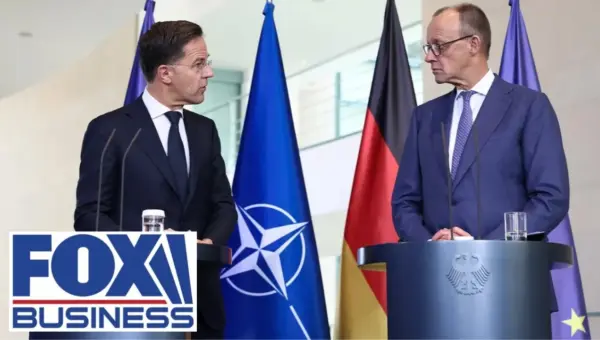
Rutte Faces Backlash: Trump Allies Criticize NATO Chief
NATO Secretary General Jens Stoltenberg's remarks on global safety and Iran's nuclear program have drawn fire from Trump allies. Former State Department official Christian Whiton called Stoltenberg the "odd man out" in Europe, questioning the substance behind his supportive words for U.S. policy. The debate also raises questions about potential U.S. troop realignments within the NATO alliance.

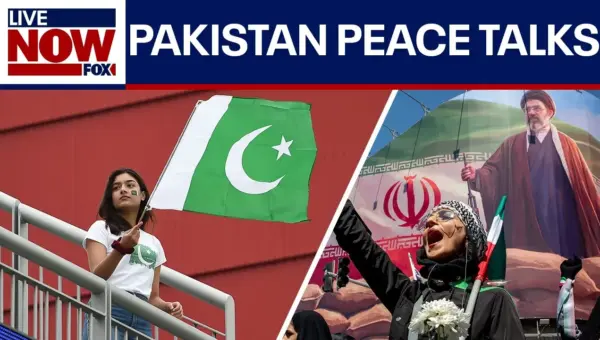
Pakistan Mediates High-Stakes Peace Talks Between US and Iran
Pakistan is set to mediate critical peace talks between the United States and Iran in Islamabad this weekend. The negotiations aim to de-escalate rising tensions, with former National Security Advisor Moed Yusef explaining the importance of private discussions and the challenges of overcoming public demands. While cautious optimism surrounds the event, experts stress that a comprehensive deal is unlikely, with a ceasefire extension being a more immediate goal.