US Deploys Troops, Shakes Global Oil Markets
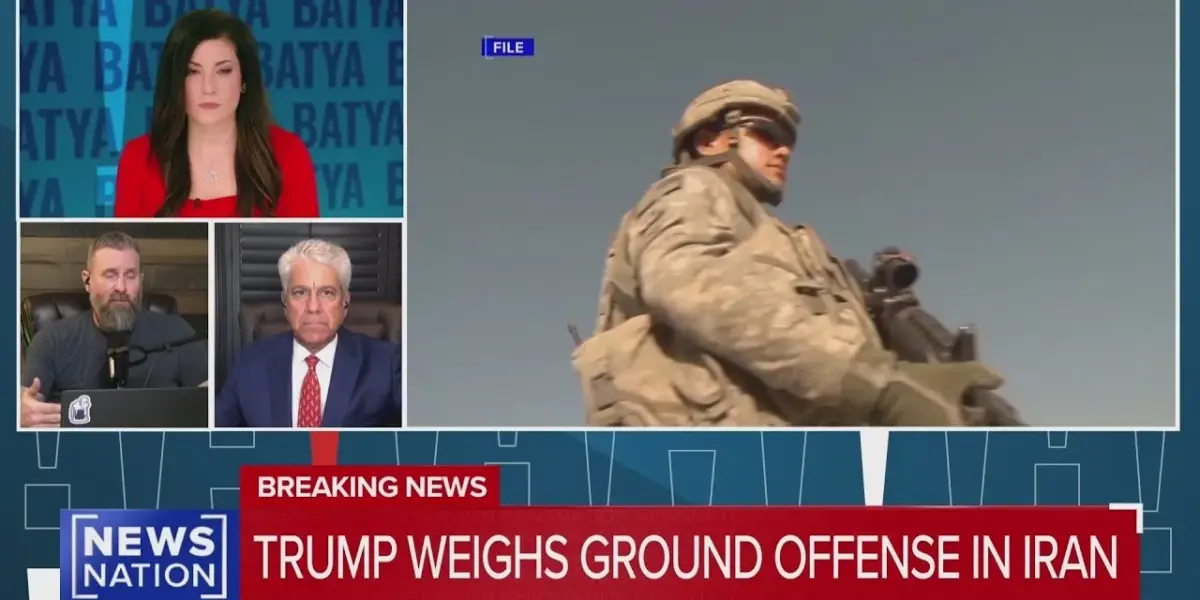
The U.S. has deployed 2,000 soldiers to the Middle East, aiming to establish a strategic base. This move, coupled with rising oil prices, creates market uncertainty and impacts everyday Americans. The veteran community holds mixed views, while the strategy also targets China's energy deals.

US Deploys Troops, Shakes Global Oil Markets
The United States has ordered 2,000 soldiers, including units from the 82nd Airborne Division, to the Middle East. This move signals a significant step in the ongoing tensions in the region. The deployment aims to establish a base for targeted special operations, rather than a full-scale invasion. However, the specific location is crucial for success. Placing troops on islands like Car Island, which are within range of Iranian missiles, would be a dangerous tactical error. A more secure location, ideally with existing air defense systems, would make the mission much more sensible.
Wall Street Faces Uncertainty
The deployment and broader geopolitical situation are causing major headaches for the stock market. Wall Street dislikes uncertainty, and the current period of doubt has lasted for five weeks. This has led to losses in the stock market as investors struggle to predict the future. The average American feels this uncertainty every time they see rising gas prices. Experts believe that as oil prices fall and speculators become less active, the market drama will likely decrease.
Veteran Community’s Perspective
The veteran community has mixed feelings about the military’s role in these conflicts. Many believe it is important to be skeptical of government actions. However, extreme skepticism can prevent one from recognizing clear threats. The danger posed by the Iranian regime is evident to many, especially considering the harm they have caused to Americans. Some veterans express a desire to counter Iranian aggression, while also acknowledging the importance of distinguishing between just military goals and less successful operations.
China’s Role in Global Economics
The situation with Iran is also linked to broader global economic strategies, particularly concerning China. The administration appears to be pushing China to purchase oil at market prices. China has previously benefited from favorable deals, often with U.S. adversaries. This strategic approach aims to reshape global energy markets and reduce the financial support for countries considered hostile to U.S. interests. The administration is receiving credit for this calculated move, which goes beyond a simple good versus evil narrative.
Global Impact
This deployment and the related economic strategies have far-reaching consequences. The increased military presence in the Middle East could further destabilize an already volatile region. Fluctuations in oil prices directly impact global economies, affecting everything from transportation costs to inflation. The administration’s efforts to influence China’s energy purchasing habits could alter global trade dynamics and alliances. This complex interplay of military action and economic policy is reshaping international relations.
Historical Context
The current tensions echo past conflicts and diplomatic challenges in the Middle East. U.S. military involvement in the region has a long history, often driven by concerns over energy security and regional stability. Past interventions have led to complex outcomes, influencing current U.S. foreign policy. The relationship with Iran, in particular, has been marked by decades of mistrust and occasional confrontation. The current strategy appears to be an attempt to address these long-standing issues through a combination of military pressure and economic influence.
Economic Leverage
Economic factors are central to the current geopolitical situation. Oil prices serve as a powerful tool, affecting both domestic economies and international relations. The U.S. is using its influence to shape global energy markets, aiming to cut off financial lifelines to adversaries. Sanctions and trade policies are key components of this strategy. The goal is to increase economic pressure on certain regimes while seeking favorable terms for allies and for global markets.
Future Scenarios
Several future scenarios are possible. The military deployment could lead to a de-escalation if it serves as a deterrent. Alternatively, it could provoke further aggression from Iran and its allies, leading to a wider conflict. Economically, oil prices could stabilize if tensions ease, or they could remain volatile, impacting global recovery efforts. The success of the U.S. strategy will depend on careful diplomacy, precise military action, and the broader reactions of international players like China.
Source: Veteran addresses skeptics of the war in Iran as troops deploy and US prices surge | Batya! (YouTube)

Related Articles

Iran Tightens Strait Grip Amid Escalating US Conflict
Iran is tightening its control over the Strait of Hormuz amid escalating attacks against U.S. forces and allies. Despite U.S. claims of ongoing negotiations, Iran denies talks and demonstrates its power by regulating ship passage. New fronts are opening, with Houthi rebels in Yemen striking Israel, further complicating the volatile regional conflict.


Zelenskyy: Russia Shares War Intel With Iran
Ukrainian President Volodymyr Zelenskyy revealed that Russia is allegedly sharing war intelligence, including satellite images of U.S. bases, with Iran. He also expressed deep concern over vital weapons intended for Ukraine potentially being diverted to the Middle East amid escalating regional tensions.

Gulf Allies Rally as Europe Falters on Iran Policy
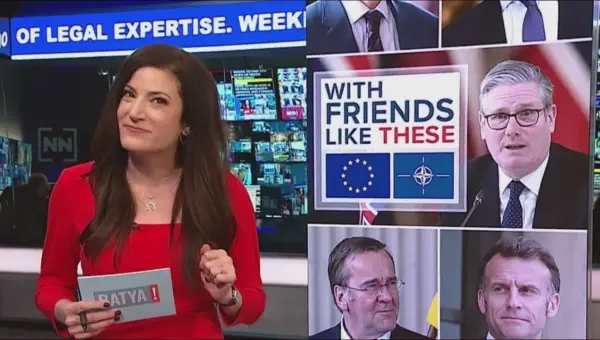
Gulf nations like Saudi Arabia, UAE, and Qatar are showing strong support for U.S. policy on Iran, contrasting with what the article calls Europe's lack of contribution. This strategic alignment highlights shifting regional power dynamics and economic ties.