US Deploys Marines Amid Escalating Iran Conflict
The U.S. has deployed 3,500 Marines and sailors to the Middle East amid escalating tensions with Iran. This move signals preparedness for potential conflict, while diplomatic channels remain open through intermediaries like Pakistan.

US Deploys Marines Amid Escalating Iran Conflict
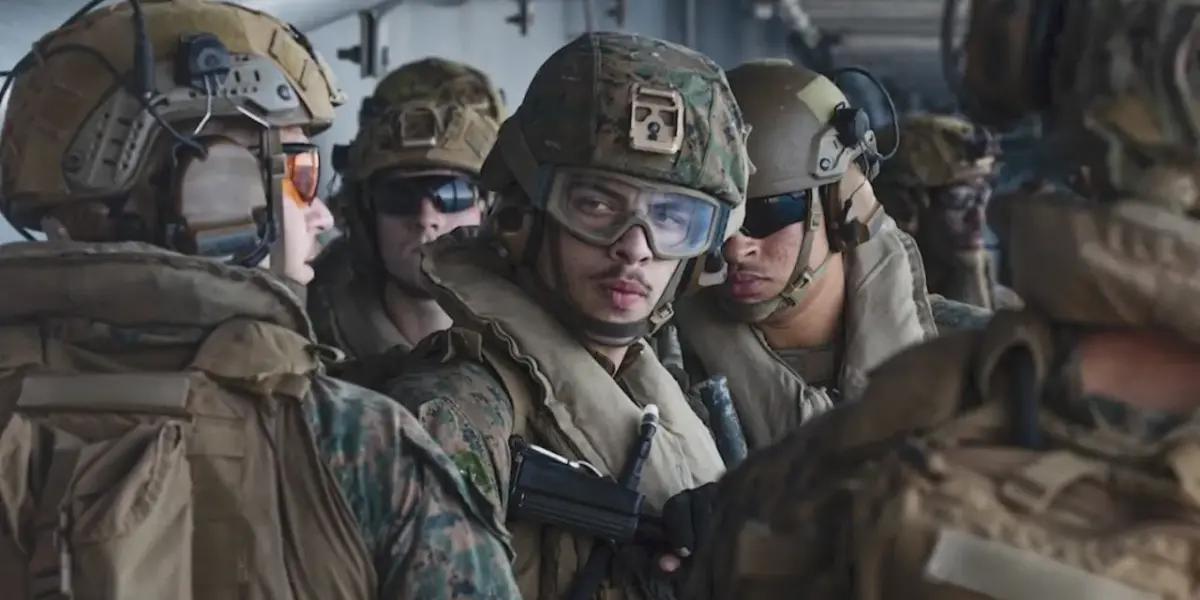
The United States has sent 3,500 Marines and sailors to the Middle East. This move signals a significant increase in American military presence. It also highlights the growing tensions in the region. The troops are equipped with amphibious assault capabilities. This means they are ready for potential ground operations or raids.
Amphibious Assault Forces Arrive
The USS Tripoli, a naval ship, has arrived carrying a Marine Expeditionary Unit. These forces are trained for complex missions. They can conduct amphibious assaults, which involve attacking from the sea onto land. The White House stated this deployment keeps all options open. It does not mean an attack is planned, but the U.S. is preparing for various possibilities.
Regional Attacks Escalate
The situation in the Middle East remains dangerous for U.S. service members. In Saudi Arabia, at least 15 U.S. personnel were injured in attacks. These attacks involved missiles and drones launched from Iran. Central Command reported over 300 injuries since the start of Operation Epic Fury. Most of these were minor, and many service members have returned to duty.
Iran’s Retaliation Spreads
Iran’s retaliatory actions have extended across the region. In Israel, overnight missile strikes killed at least one person and injured four. Similar attacks occurred in Abu Dhabi, injuring six people, and in Oman, where one person was hurt. Air defenses were activated in the UAE, Qatar, Kuwait, and Bahrain. This shows Iran’s ability to strike targets far from its borders.
Houthis Join the Conflict
The Houthi rebels in Yemen have officially joined the fighting on Iran’s side. They recently launched a missile, marking their entry into the conflict. The Houthis have previously disrupted shipping in the Red Sea. They have seized and sunk cargo ships. They also threaten the Bab el-Mandeb Strait, a key passage for global trade. This strait connects to the Suez Canal.
Diplomatic Efforts Continue
Behind the scenes, diplomatic efforts are underway. U.S. Special Envoy Steve Wiegkoff has delivered a 15-point action list to Iran. Pakistan is acting as an intermediary for these communications. While Iran claims no talks are happening publicly, mediators like Pakistan, Egypt, and Turkey confirm messages are being exchanged. The White House believes there is seriousness on both sides.
A Critical Decision for Iran
The U.S. has given Iran a 10-day window to respond to the proposal. The White House position is clear: Iran must accept the terms or face further escalation. This puts significant pressure on Tehran. However, dealing with Iran is complex, as the regime may not shy away from conflict.
Military Perspective on Deployment
Former USS Cole Commander Kirk Lippold commented on the deployment. He noted that sending troops often means preparing for their use. Senator Richard Blumenthal stated that presidents usually don’t deploy forces without a plan to use them. Lippold suggested these troops could serve as a negotiating point. Their presence gives President Trump strategic flexibility. Options include opening the Strait of Hormuz by potentially seizing islands like Larak or Qeshm. Another possibility is targeting Kharg Island, where most of Iran’s oil exports originate. These actions aim to force Iran to accept U.S. terms and ensure open shipping routes.
Global Impact and World Order
This escalation impacts global security and trade. The disruption of key shipping lanes like the Red Sea and the Strait of Hormuz affects oil prices and supply chains worldwide. The involvement of the Houthis broadens the conflict’s reach. The U.S. military buildup signals a commitment to maintaining regional stability and freedom of navigation. However, it also risks wider confrontation. The diplomatic track, though fragile, offers a path to de-escalation. The world watches closely as Iran decides its response, with significant consequences for regional and global order.
Historical Context
The current tensions echo past conflicts and diplomatic standoffs between the U.S. and Iran. The U.S. naval presence in the Persian Gulf is a long-standing strategy to counter Iranian influence and ensure oil flow. The Houthi actions in the Red Sea are part of a broader regional rivalry involving Iran and its allies. Past incidents, like the U.S. Navy escorting oil tankers, show a history of managing these volatile waterways.
Economic Leverage
Economic factors are central to this conflict. Iran’s reliance on oil exports makes it vulnerable to sanctions and disruptions. Control over oil infrastructure like Kharg Island is a key strategic objective. Conversely, disruptions to shipping routes impact global energy markets and the economies of many nations.
Future Scenarios
Several outcomes are possible. Iran could accept the U.S. proposal, leading to de-escalation. Alternatively, Iran could reject the terms, prompting further U.S. military action or increased sanctions. A wider regional war is also a possibility, drawing in more actors. The path chosen by Iran in the coming days will be critical.
Source: US sailors, Marines deployed amid Iran war reach region | NewsNation Live (YouTube)

Related Articles


War’s $6 Trillion Toll: Global Economy Reels
A month-long Middle East conflict has triggered a $6 trillion global stock market crash, surging oil prices to $101 per barrel, and threatening crucial trade routes. The war's expansion, now involving multiple nations, is causing severe damage to global supply chains and energy infrastructure, with long-term implications for inflation and economic growth.

US War Strategy in Iran Criticized as Overly Optimistic
A former defense official has criticized the U.S. war strategy in Iran as overly optimistic, citing conflicting signals from the administration and the potential for a prolonged conflict. The deployment of ground troops and the realism of the U.S.'s demands on Iran are key points of concern.

Iran War Costs Soar, Fueling Global Energy Price Hikes
The escalating war involving Iran, the U.S., and Israel has already cost over $11 billion, heavily impacting global energy markets. Missile strikes and drone warfare are driving up gas prices worldwide, with the Strait of Hormuz remaining a critical choke point.