US Deploys Forces for Middle East Ground Operations
The U.S. is reportedly preparing for limited ground operations in the Middle East, deploying significant naval and airborne forces. This buildup aims to provide options for commanders and signal commitment amid Iran's expanding threats to both military and civilian targets.


US Prepares Ground Forces for Middle East Operations
Troop Buildup Signals New Strategy
The United States is getting ready for possible ground missions in the Middle East, according to a recent report. This news suggests a potential shift in how the U.S. plans to handle growing tensions in the region. The Washington Post reported that the U.S. is preparing for limited ground operations, which could include targeted raids.
Naval Assets Arrive in Region
This preparation comes as significant U.S. military assets have arrived in the Middle East. The USS Tripoli, an amphibious assault ship, is now in the region. It carries about 5,000 U.S. military personnel. These troops are part of an amphibious ready group, meaning they are on the water and ready to act on orders.
More Forces En Route
The U.S. military presence is growing. The USS Boxer is also heading to the region and is expected to arrive in about two weeks. Additionally, units from the 82nd Airborne Division are being positioned. These include around 1,000 paratroopers, adding more ground force options.
Expanding Options for Commanders
The arrival of these forces gives the U.S. administration and military commanders more choices. Admiral Brad Cooper, the commander of U.S. Central Command, will have these options available. If he believes it’s necessary and the President approves, U.S. ground forces could be used in limited ways. This could involve operations along coastlines near key shipping routes, like the Strait of Hormuz. These areas are vital for global trade and are often watched closely by Iran’s navy.
Targeting Strategic Points
One potential area for action could be near the Strait of Hormuz, a critical chokepoint for oil shipments. Another possibility mentioned involves Kharg Island, a significant site for Iran’s oil exports located in the northern Persian Gulf. U.S. forces could potentially take control of the island or blockade it. These actions would be on a limited scale, not a full-scale invasion like the one in Iraq in 2003, which involved around 150,000 to 175,000 ground troops.
Showing Commitment
The deployment aims to provide options for Admiral Cooper. It also serves to show the U.S. President’s commitment to ensuring the success of current military campaigns. The goal is to support U.S. positions and interests in the region.
Iran’s Widening Threat Perception
Tensions are heightened by Iran’s expanding threats. Iran has warned that targets could extend beyond military sites. Universities linked to the U.S. in the Middle East are now being mentioned as potential targets. This includes American campuses across the region, which are often large and visible.
Protecting American Interests
The possibility of non-military American sites becoming targets is a serious concern. Iran has a history of threatening U.S. interests, including civilian targets. For some time, U.S. officials have been aware of this strategy. The threat to civilian institutions, especially U.S. universities, is not a surprise. Admiral Cooper’s mission includes protecting American citizens and interests, both military and civilian.
Gulf Nations Also Targeted
The situation is complicated by the fact that Gulf Arab nations have also been targets. Eleven out of twelve Gulf Arab nations have experienced attacks from Iran. These attacks have often focused on energy production capabilities. However, the threat now appears to be broadening, potentially affecting information and communication systems as well.
Global Impact and Future Scenarios
The positioning of U.S. ground forces and Iran’s expanding threat create a complex geopolitical situation. The Strait of Hormuz is a vital waterway for global energy supplies. Any disruption there could have significant economic consequences worldwide. The U.S. aims to deter aggression and protect its allies. Iran, on the other hand, seeks to project power and influence in the region. The involvement of Gulf Arab nations, who have also faced Iranian aggression, adds another layer to regional alliances and rivalries. Future scenarios could range from de-escalation through diplomacy to further military confrontation. The U.S. strategy appears to be one of measured response, using its military presence to signal resolve without necessarily initiating conflict.
Historical Context
The current situation echoes past decades of U.S. involvement in the Middle East. Following the Iranian Revolution in 1979, U.S.-Iran relations became deeply adversarial. The U.S. has since maintained a significant military presence in the region to counter Iranian influence and protect vital interests, including oil supplies and regional stability. The use of naval forces and the potential for limited ground operations are tactics employed in various forms throughout this history, adapting to evolving threats and geopolitical dynamics.
Economic Leverage
Economic factors play a crucial role. Iran’s oil exports are a key source of revenue, and threats to energy infrastructure directly impact global markets. The U.S. and its allies have used sanctions to limit Iran’s ability to fund its military and regional activities. The strategic location of the Strait of Hormuz means that any conflict could disrupt oil prices and supply chains, affecting economies far beyond the Middle East.
Shifting Power Balances
The troop movements and Iran’s actions are part of a larger struggle for influence in the Middle East. While the U.S. seeks to maintain stability and counter perceived threats, Iran aims to assert its regional power. The responses of other regional actors, like Saudi Arabia and the UAE, are critical. Their cooperation with the U.S. and their own defense strategies are key elements in the evolving power balance.
Potential Future Paths
Several future paths are possible. Diplomatic efforts could lead to de-escalation, reducing the risk of conflict. Alternatively, miscalculations or deliberate provocations could lead to an increase in tensions and potential clashes. The U.S. appears to be preparing for various contingencies, aiming to deter conflict while remaining ready to respond if necessary. The effectiveness of these preparations will depend on Iran’s actions and the broader regional dynamics.
Source: US troops prepare for possible ground operations in Middle East: Report | Morning in America (YouTube)

Related Articles
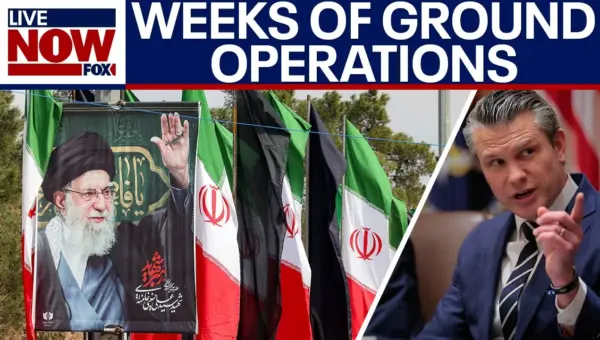
Pentagon Plans Weeks of Iran Ground Ops Amid Escalating Conflict
The Pentagon is reportedly preparing for weeks of ground operations in Iran, signaling a potentially dangerous escalation. This comes as missile defenses near Jerusalem are being scrutinized after two missiles penetrated. The conflict is widening into a regional war, involving various actors and raising concerns about global economic stability.

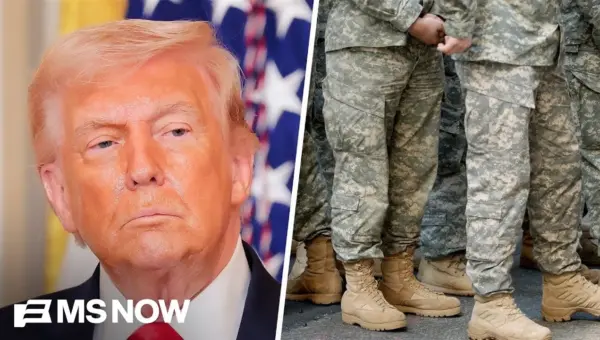
US Ground Invasion of Iran Risks ‘Mission Creep,’ Warns Retired General
Retired General David Deptula warns that a U.S. ground invasion of Iran carries no guarantees and risks 'mission creep,' potentially leading to prolonged conflict. As the U.S. considers ground troop options, objectives appear to be shifting from regime change to managing economic fallout and securing maritime routes.
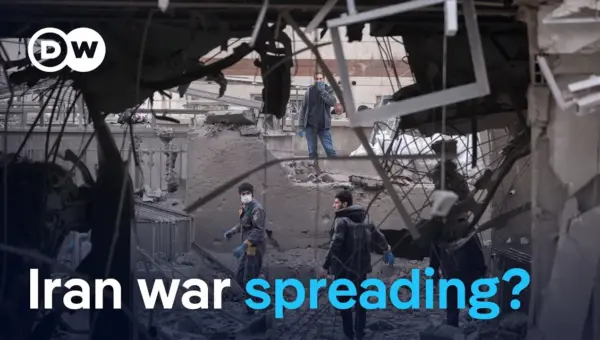
US Considers Ground Troops as Iran Conflict Intensifies
Middle East powers convene in Pakistan for peace talks as the month-long war intensifies. The US is reportedly considering ground troops amid escalating strikes on Iran, while experts caution against air power's political pitfalls and highlight the risks of a prolonged conflict.