US Demands Iran Halt Nuclear Program in Peace Talks
The United States will demand Iran completely end its nuclear program during peace talks in Pakistan this weekend. Vice President JD Vance will push for Iran to hand over all materials related to nuclear weapons development. Experts express low expectations for significant breakthroughs, citing Iran's past actions and current stance on uranium enrichment.

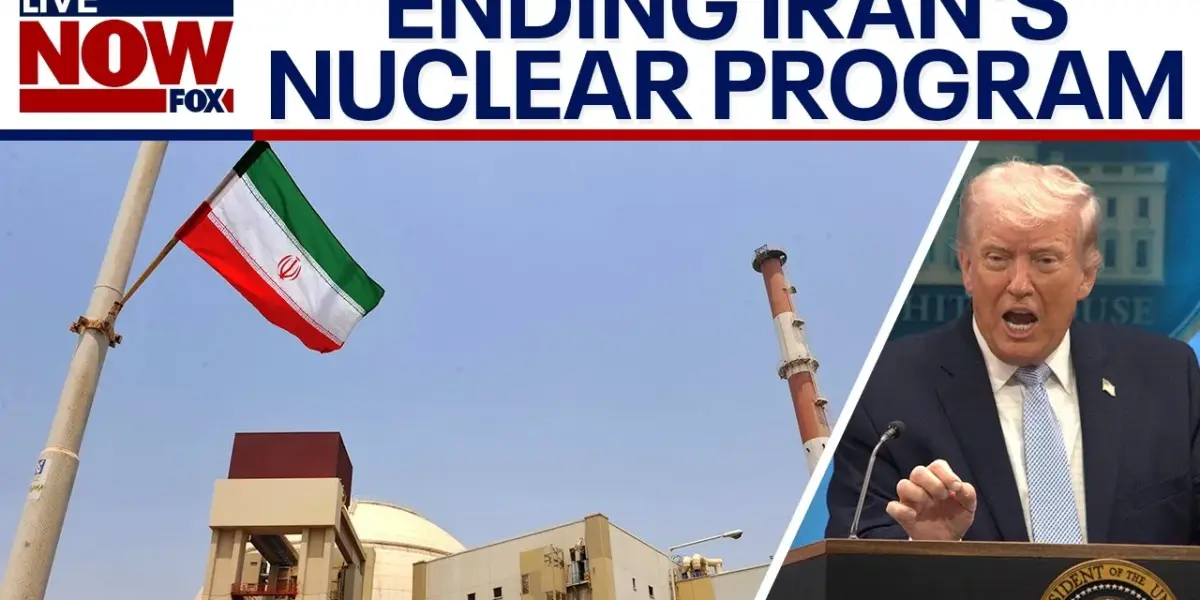
US Pushes for Iran’s Nuclear Program End Amid Peace Talks
The United States is set to demand that Iran completely end its nuclear program during upcoming peace and ceasefire talks in Pakistan this weekend. Vice President JD Vance will reportedly insist that Iran hand over all materials related to its nuclear weapons development.
Key Demands and Concerns Surface
The US aims to secure a firm commitment from Iran to cease all nuclear enrichment activities. This demand comes as the International Atomic Energy Agency (IAEA) has assessed that significant amounts of highly enriched uranium remain at facilities previously struck by the US last June. Andrea Stricker, a nuclear non-proliferation expert at the Foundation for Defense of Democracies, shared insights into the complex negotiations ahead.
“It’s not super clear whether the current ceasefire plan preserves Iran’s right to enrich uranium,” Stricker stated. “Trump does say that enrichment is a red line… but Iran of course has immediately walked back that commitment.”
Iran has reportedly insisted on its right to enrich uranium, casting doubt on other potential agreements. These could include dismantling major nuclear facilities, transferring enriched uranium out of the country, and allowing intrusive IAEA inspections.
Retrieving Nuclear Material: A Difficult Task
If the US has its way, a US team would be sent to retrieve the nuclear material from the destroyed sites. However, Stricker expressed doubt about this scenario. She suggested a more likely outcome would involve a UN, multinational, or IAEA-backed team.
These teams would require heavy machinery to access the destroyed facilities. This includes the underground Natanz enrichment plant, the Fordow enrichment plant hit by massive ordinance penetrators, and the Esfahan tunnels demolished by Tomahawk missiles. WMD teams with hazmat equipment would also be needed to safely retrieve and eliminate the highly enriched uranium and other enriched stocks. Stricker noted this is a significant undertaking, and Iran might only agree if further weakened, perhaps after a ceasefire collapses.
President Trump has stated, “President Trump says there will be no enrichment of uranium and that the United States will work closely with Iran to dig up and remove all of the deeply buried nuclear dust.” Discussions about sanction relief for Iran are also ongoing.
Monitoring Iran’s Nuclear Sites
Intelligence agencies, likely from the US and Israel, have been monitoring the nuclear sites since the June strikes. Open-source intelligence also plays a role. While Iran may have taken steps to conceal the entrances to these sites, there’s no visible evidence that they have attempted to move materials out.
Stricker explained, “It looks like Iran has probably taken steps to close the entrances up because it knew that a military strike was coming.” She added, “According to what we see just in the open source community, it doesn’t look like they have tried to move anything out of the Ford Natans or Esvahan sites.” Moving the material would require heavy equipment, similar to what any retrieval team would need.
Iran’s Nuclear Ambitions
If Iran were to have its way, Stricker believes the country would attempt to develop nuclear weapons as quickly as possible. “They’ve got enough highly-enriched uranium for about 11 nuclear weapons,” she warned. The potential exists to enrich this material to weapons-grade using their fastest centrifuges in a secret plant.
For a lasting agreement, the US needs to insist on the permanent and verified dismantlement of all nuclear weapons assets. This includes facilities, centrifuges, material-producing plants, and redirecting scientists from weapons work. It remains unclear if Iran would agree to such terms.
Beyond Weapons: Other Uses of Enriched Uranium
While enriched uranium is primarily associated with nuclear weapons, it can also be used in radiological dispersal devices, or “dirty bombs.” However, Stricker noted this is not a likely path for Iran, as they would likely seek radiological sources like cobalt or strontium for such devices, often used in medical applications.
Iran has been stockpiling enriched material, seemingly for a weapons program, and has never fueled its large research reactor. This behavior has long raised concerns for the US and Israel, potentially leading to the current situation.
High Stakes for Pakistan Talks
The stakes for the upcoming talks in Pakistan are extremely high. Iran appears to believe it controls the Strait of Hormuz and global energy prices. Stricker expressed low expectations for the weekend talks, suggesting the US and Israel might use the time to regroup.
She pointed out that Iran has not allowed oil tankers through the Strait of Hormuz in recent days, which would have been a positive sign of seriousness. Likewise, there have been no good-faith movements regarding enrichment or relinquishing highly enriched uranium. “My expectations for the weekend talks are not high, and I think that’s a shame because it would be good to wind down the conflict,” Stricker concluded.
Broader Concerns: Missiles and Proxies
Beyond the nuclear issue, the US has significant concerns about Iran’s ballistic missiles and its support for proxy groups. Stricker noted that the US is demanding broad changes in Iranian behavior, including ending support for terrorism and suspending ballistic missile development.
Given the current regime’s radical and ideological nature, Stricker is uncertain if Iran can stop these activities. She anticipates the conflict could continue in various forms over the coming years, with Iran potentially adapting its strategies. The hope for change, she suggested, might eventually come from the Iranian people overthrowing the regime.
Looking Ahead
The upcoming peace talks in Pakistan represent a critical juncture in international efforts to curb Iran’s nuclear ambitions. The US’s firm stance on ending Iran’s enrichment program, coupled with the ongoing challenge of verifying Iran’s compliance, sets the stage for tense negotiations. Observers will be closely watching for any signs of genuine de-escalation or concessions from Iran, particularly concerning the highly enriched uranium and enrichment activities, as the situation evolves.
Source: U.S. to push for end of Iran nuclear program during peace talks (YouTube)

Related Articles
Rutte Faces Backlash: Trump Allies Criticize NATO Chief
NATO Secretary General Jens Stoltenberg's remarks on global safety and Iran's nuclear program have drawn fire from Trump allies. Former State Department official Christian Whiton called Stoltenberg the "odd man out" in Europe, questioning the substance behind his supportive words for U.S. policy. The debate also raises questions about potential U.S. troop realignments within the NATO alliance.


Pakistan Mediates High-Stakes Peace Talks Between US and Iran
Pakistan is set to mediate critical peace talks between the United States and Iran in Islamabad this weekend. The negotiations aim to de-escalate rising tensions, with former National Security Advisor Moed Yusef explaining the importance of private discussions and the challenges of overcoming public demands. While cautious optimism surrounds the event, experts stress that a comprehensive deal is unlikely, with a ceasefire extension being a more immediate goal.


Lebanon Reels From Attacks; China Mediates Iran Conflict
Lebanon is reeling from Israeli attacks on Beirut, hours after a ceasefire with Iran was announced. Hundreds were injured, and rescue efforts continue amidst a deepening humanitarian crisis. Meanwhile, China has emerged as an unlikely mediator, leveraging its economic ties with Iran to push for de-escalation.