US Delays Iran Strikes Amid Conflicting Peace Talk Claims
The U.S. has postponed planned strikes on Iranian power plants for five days to allow for talks, but Iran denies any negotiations have occurred. This marks a potential de-escalation, yet conflicting reports create significant uncertainty and raise questions about Israel's role and potential retaliation.

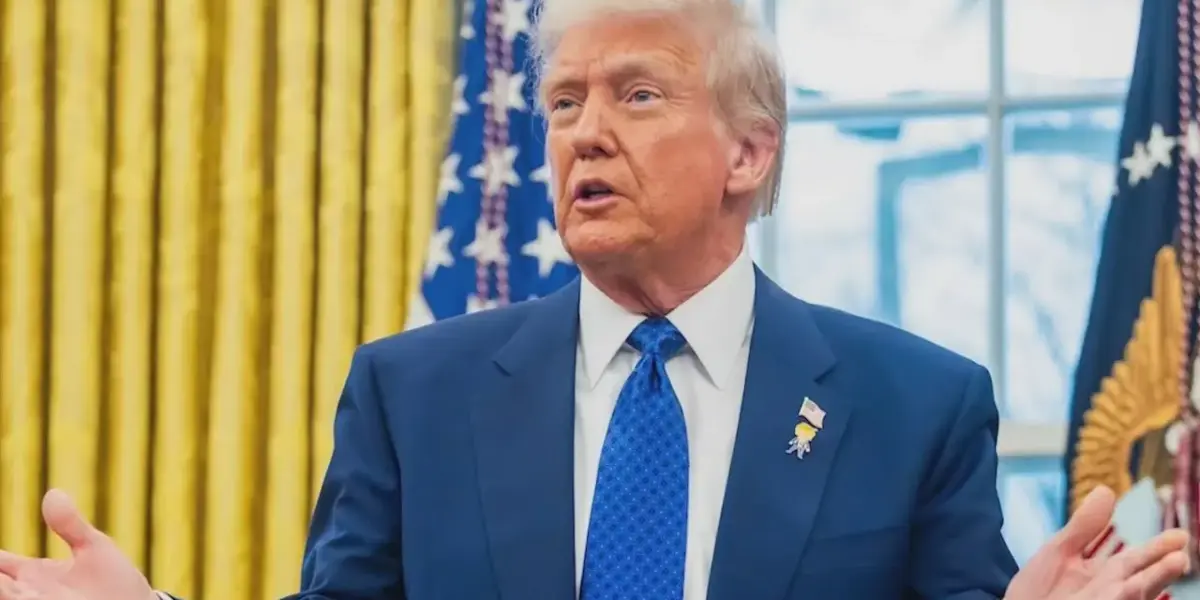
US Delays Iran Strikes Amid Conflicting Peace Talk Claims
The United States has postponed planned military strikes on Iranian power plants for five days, President Trump announced. This move comes after weeks of rising tensions between the U.S. and Iran. The decision aims to allow ongoing talks to continue. However, Iran has denied that any such peace negotiations have taken place.
A Shift Towards De-escalation?
This development marks the first time since the conflict began on February 28th that any side has taken steps toward de-escalation. President Trump had previously issued an ultimatum to Iran. He stated that if Iran did not loosen its control over the Strait of Hormuz, the U.S. would strike Iranian power plants. This threat now appears to be on hold.
Conflicting Narratives on Talks
President Trump stated that his decision to pull back was based on productive talks with the Iranians over the past two days. He described these discussions as peace negotiations covering more than just the Strait of Hormuz. He mentioned they were generally about the ongoing conflict. However, Iran’s Fars News Agency reported that these talks never happened. They deny any peace negotiations took place recently. This leaves the situation highly uncertain. Observers are now waiting to see if Iran changes its stance on the Strait of Hormuz.
Trump’s Statement and Unanswered Questions
President Trump announced on Truth Social that he was pleased to report the U.S. and Iran were talking. He described the conversations as constructive, detailed, and deep. He also stated that these talks would continue through the week. Based on this, he instructed the Department of Defense to postpone all military strikes against Iranian power plants. He did not specifically mention the Strait of Hormuz or other potential targets outside of energy infrastructure. This raises questions about whether U.S. strikes on military targets might still occur. The White House has not yet provided an answer to this question.
Israel’s Actions and Iran’s Counter-Threat
Another major question is whether Israel is involved in these potential negotiations. Since President Trump’s statement, Israel has reportedly launched its own strikes inside Iran. Israel’s air force claims to have targeted several locations in Tehran, Iran’s capital. This complicates the picture significantly. President Trump’s original ultimatum was set to expire the next night. His statement came within 24 hours of that deadline. Iran had previously issued a counter-threat. They warned that if the U.S. struck energy targets in Iran, they would retaliate. This retaliation would involve hitting energy and water desalination facilities, not just in Israel but also American targets.
Global Impact
This situation highlights the complex and often contradictory nature of international diplomacy during a crisis. The conflicting reports from the U.S. and Iran about the peace talks create significant ambiguity. This ambiguity could easily lead to miscalculation and further escalation. The involvement of Israel, a key U.S. ally, adds another layer of complexity. Iran’s threat to strike both Israeli and American targets raises the stakes for regional stability. The control of the Strait of Hormuz is vital for global energy supplies. Any disruption there could have far-reaching economic consequences worldwide.
Historical Context
Tensions between the U.S. and Iran have a long history. This includes issues like the 1953 coup, the 1979 revolution, and ongoing disputes over Iran’s nuclear program. The current conflict seems to be an extension of these long-standing grievances. The Strait of Hormuz has been a flashpoint before. Both countries have previously threatened naval actions in this critical waterway. The U.S. has often worked with allies like Israel to counter perceived Iranian threats in the region.
Economic Leverage
The conflict involves significant economic interests. Iran’s ability to control or disrupt shipping through the Strait of Hormuz impacts global oil prices. The U.S. and its allies have used sanctions to pressure Iran. Iran, in turn, has threatened to disrupt energy supplies. This creates a delicate balance of economic leverage. Any military action could severely impact global energy markets and trade routes.
Future Scenarios
Several future scenarios are possible. One is that genuine diplomatic progress is made, leading to a de-escalation of tensions. Another is that the talks fail, and the U.S. proceeds with its planned strikes, potentially leading to wider conflict. It’s also possible that a limited military engagement occurs, contained to specific targets. Finally, the situation could remain in a state of high tension and uncertainty, with intermittent threats and counter-threats.
Source: Trump postpones military strikes on Iran power plants | NewsNation Live (YouTube)

Related Articles

Trump Halts Iran Strikes Amid Stalled Diplomacy
President Trump announced a pause on planned strikes against Iran, citing productive talks, though Iran denies negotiations occurred. Reports also suggest a potential U.S. ground operation on Iran's Hark Island. The situation raises concerns about international support for Ukraine and potential shifts in U.S. foreign policy.

Iran’s Missile Threat Reduced by 90%, Analyst Says
An analyst reports that Operation Epic Fury has degraded Iran's missile launchers by 90%, despite challenges in targeting hidden sites. The conflict's duration and media coverage are also discussed, with implications for global energy markets and investor confidence.
Iran Missile Strikes Injure US Troops, Raise War Concerns
Iranian missile strikes have injured U.S. service members, escalating tensions as the conflict nears one month. The attacks are raising concerns about the effectiveness of U.S. military strategy and the depletion of crucial missile stockpiles. Global oil prices have surged, impacting economies worldwide.