US Defense Secretary’s ‘Negotiate With Bombs’ Remark Draws Fire
U.S. Defense Secretary Lloyd Austin's assertion that America "negotiates with bombs" has sparked debate. Critics argue the aggressive rhetoric is ineffective and potentially counterproductive in dealing with Iran. Military figures and commentators question the strategy's ability to deter adversaries.

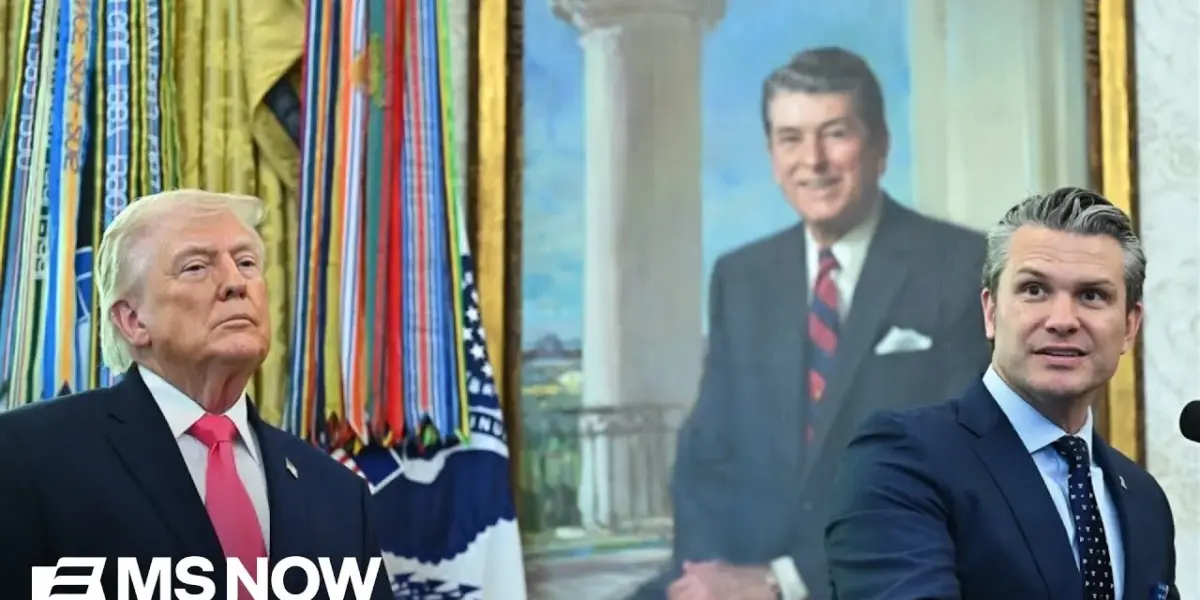
Critics Slam Pentagon Chief’s Rhetoric on Iran Policy
U.S. Defense Secretary Lloyd Austin’s recent statement that America “negotiates with bombs” has drawn sharp criticism, with many questioning its effectiveness and tone. The remarks, made in the context of U.S. policy towards Iran, suggest a willingness to use overwhelming force to deter conflict. However, critics argue this approach may not achieve the desired outcome and could be perceived as overly aggressive or even childish by adversaries.
‘Negotiate With Bombs’: A Controversial Stance
The phrase “negotiate with bombs” implies that military might is the primary tool for diplomatic leverage. This strategy, as explained by the Defense Secretary, involves untying the hands of U.S. warfighters to “close with and destroy the enemy as viciously as possible from moment one.” The idea is to present a clear choice to potential adversaries, such as Iran, regarding their future actions, particularly concerning nuclear weapons development.
“The president has made it clear that you will not have a nuclear weapon,” a statement attributed to the War Department explained. “Our job is to ensure that and so we’re keeping our hand on that as long as it’s hard as is necessary to ensure the interest of the United States of America are achieved on that battlefield.” This suggests a readiness to maintain pressure indefinitely until U.S. objectives are met.
Skepticism from Military and Political Circles
However, the rhetoric has not resonated well with everyone, including some decorated combat veterans and political commentators. One decorated combat veteran, who served multiple tours in Iraq, found the Secretary’s words “not very comforting.” He noted that during past conflicts, like Desert Storm, there was always a sense of calm when listening to the defense leadership, even if they didn’t always agree with the strategy.
This veteran felt the Secretary’s remarks, including references to “loitering over the top of Tehran” and an approach described as “throttle down,” were not enlightening. He questioned what these phrases actually represent in terms of the Defense Secretary’s role. The sentiment was echoed by others who found the language “childish” and “frat boy rhetoric,” suggesting it was an attempt to play a part rather than convey genuine strategic resolve.
Trump’s Reaction and Iran’s Perspective
The transcript also touches on former President Donald Trump’s reaction to these statements. It suggests that Trump, when discussing such matters, often talks about being “central casting,” implying a preference for a certain image or demeanor. The criticism directed at Secretary Austin seems to stem from a perception that he does not fit this mold, appearing more like a “kid” than a seasoned leader. “You want to scare the Iranians. This does not do I don’t want to do that,” one commentator remarked, questioning if such rhetoric would genuinely intimidate Iran’s Revolutionary Guard.
The underlying question is whether this aggressive posturing effectively deters Iran. The consensus among critics seems to be that it does not. Instead, it might be perceived as an attempt to impress an audience, possibly even Donald Trump himself, rather than a serious diplomatic or military strategy. The comparison is made to past leaders who projected calm and control, which was seen as more reassuring to both Americans and international allies and adversaries.
Broader Political Context and Other News
The discussion about Secretary Austin’s remarks occurs against a backdrop of broader political events. The transcript briefly mentions other news items, including ongoing funding fights for the Department of Homeland Security, flight cancellations due to security concerns, and a significant legal verdict against Meta for failing to protect young users from child predators. Additionally, it notes a surprising special election victory for a Democrat in a Florida district that includes Mar-a-Lago, suggesting a potential shift in voter sentiment.
The energy and success of Democrats in recent special elections are highlighted as a “blinking red light for Republicans.” This trend is seen as national, driven by various voter groups, and contrasts with a Republican Party perceived as focused on internal conflicts and led by Trump. This wider political landscape provides context for the scrutiny of the current administration’s foreign policy pronouncements.
Looking Ahead
The effectiveness of the “negotiate with bombs” strategy remains to be seen. As the U.S. continues to engage with Iran on issues ranging from its nuclear program to regional stability, the rhetoric employed by its top defense official will likely remain under intense scrutiny. Future actions and statements will be critical in determining whether this approach leads to de-escalation or further tensions in the region.
Source: This does not scare the Iranians: Joe reacts to Hegseth's 'We negotiate with bombs' remarks (YouTube)

Related Articles

Trump’s Oil Market Influence Wanes Amidst Global Instability
Former President Donald Trump's attempts to influence oil markets have reportedly failed, raising concerns about his diminishing credibility. Analysts compare his approach to "the boy who cried wolf," suggesting a loss of trust among market participants. The discussion also touched upon the use of personal devices for government communication and the vetting of political candidates amidst controversial remarks.


Trump’s War Talk Distracts as World Burns
As global conflicts escalate and economic pressures mount, Donald Trump's focus on past grievances and symbolic wins overshadows pressing issues. His rhetoric, including questionable claims about ending wars and strategic use of terminology to bypass Congress, raises concerns about leadership and national priorities.


Iran Extends Strait of Hormuz Deadline Amid Global Oil Tensions
The U.S. has granted Iran a 10-day extension to reopen the Strait of Hormuz, a critical global oil route. This move comes amid complex negotiations, military actions, and concerns over Iran's strategic leverage and resilience. Lawmakers express frustration over the lack of a clear strategy and potential escalation.