US Defense Fails Allies, Shattering Global Confidence
Recent events suggest a significant challenge to American defense infrastructure in the Middle East, leading to a loss of confidence among allies. The effectiveness of US military capabilities is being questioned as Iran demonstrates increasing offensive reach, potentially reshaping the global geopolitical landscape.

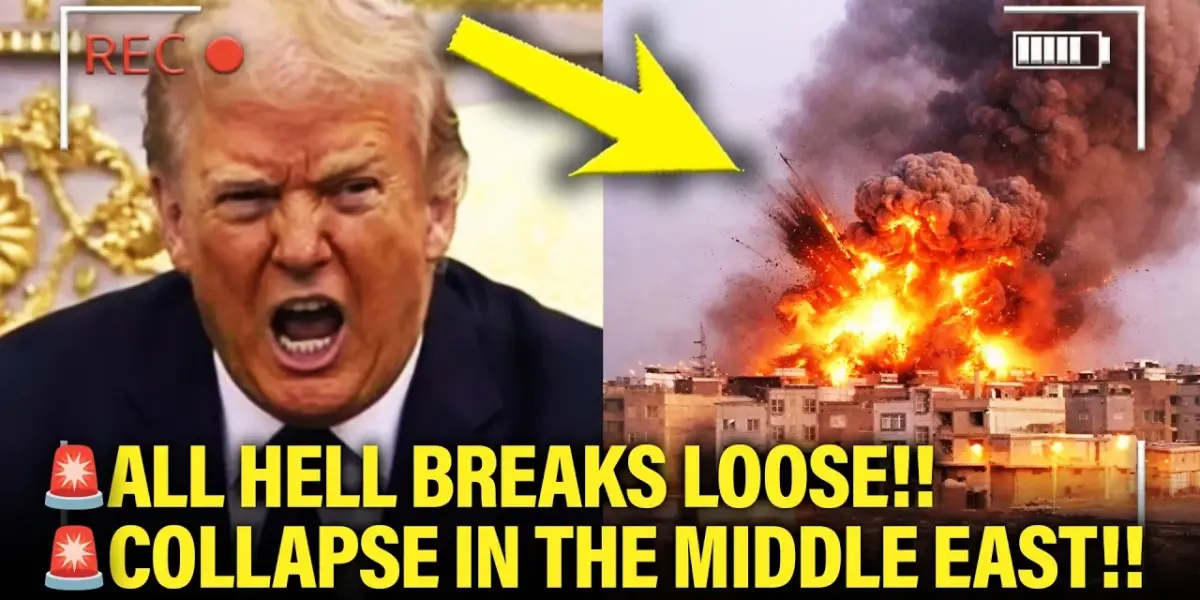
America’s Shifting Global Stature: A Crisis of Confidence in Defense
Recent events in the Middle East have cast a stark shadow over the long-held perception of American military invincibility. What was once an unquestioned pillar of international security now appears to be faltering, leading to a profound loss of confidence among allies and a potential restructuring of the global order. This analysis delves into the escalating challenges, examining the effectiveness of US defense capabilities, the implications for geopolitical alliances, and the broader strategic landscape.
The Iranian Challenge and the Erosion of Trust
The narrative emerging from the region suggests a significant challenge to American defense infrastructure. Reports indicate that Iranian Shahed drones and unmanned vessels are actively attacking commercial shipping and military installations, causing widespread disruption and damage. This ongoing bombardment, described as continuous for over a dozen days with multiple waves daily, has forced US troops to seek shelter and has led to the abandonment of bases.
The effectiveness of sophisticated US defense systems, such as Patriot and THAAD interceptors, is being called into question. While acknowledging their efforts, sources suggest these systems are struggling to counter new Iranian workarounds, drones, and missiles. The necessity of redeploying THAAD and Patriot systems from South Korea to the Middle East underscores a perceived strain on these critical assets. This redeployment has not gone unnoticed, with South Korean media broadcasting videos of the withdrawn systems, raising concerns among allies like South Korea and Taiwan about their own security.
Historical Context and Shifting Alliances
For decades, the United States has served as a primary security guarantor for many nations, particularly in the Middle East. This role was built on a foundation of military superiority and a commitment to defending allies. However, the current situation suggests a departure from this established order. The perceived inability of the US to fully protect its own bases and allies in the Gulf has sent a clear message: “You’re on your own.”
This erosion of perceived security is particularly concerning for Asian countries that have relied on American power to counterbalance China. The question now arises: if the US cannot effectively defend the Gulf against Iran, what chance does it have of protecting other regions against more formidable adversaries like Beijing?
Domestic Factors and Leadership Questions
The transcript points to internal factors that may be contributing to the perceived decline in defense effectiveness. Allegations of gutting military leadership and prioritizing loyalty over expertise are raised, suggesting a potential impact on strategic decision-making and operational effectiveness. Comments from administration officials, such as stating that Gulf allies have “never been happier,” are met with strong refutation, highlighting a disconnect between official narratives and the realities on the ground. Such statements are seen as not only damaging to credibility but as actively shattering it, especially when many of these same allies are reportedly facing direct attacks.
Geopolitical Ripple Effects and Future Outlook
The implications of this perceived US defense failure extend far beyond the Middle East. Iran’s demonstrated capability to strike targets across the region, and potentially beyond, is a significant concern. The mention of Iran potentially closing off the Red Sea through its proxies, the Houthis, indicates a strategic expansion of its influence and a willingness to disrupt global trade routes.
Furthermore, the hesitancy of some European allies, like Spain and France, to grant access for offensive operations against Iran underscores a growing reluctance to be drawn into conflicts perceived as escalating without clear objectives or achievable outcomes. This suggests a broader reassessment of security partnerships and a greater emphasis on national interests in the face of a shifting global power dynamic.
Why This Matters
The current situation represents a critical juncture in international relations. The erosion of confidence in American defense capabilities has profound implications for global stability, trade, and the future of alliances. If the US is no longer seen as a dependable protector, it could lead to a more fragmented and volatile world, characterized by regional power struggles and a diminished capacity for collective security.
The events also raise fundamental questions about the efficacy of current defense strategies and the optimal allocation of resources in an era of asymmetric warfare and rapidly evolving threats. The ability of non-state actors and regional powers to challenge established military might necessitates a re-evaluation of how security is perceived and maintained in the 21st century.
Conclusion: A World Reassessing American Power
The narrative that unfolds is one of a challenged American defense apparatus, shaken confidence among allies, and a potential recalibration of global power. The effectiveness of Iranian drones and missiles, coupled with questions about US strategic decisions and leadership, paints a picture of vulnerability rather than invincibility. As nations watch these developments, the long-term consequences for international security and the future role of the United States on the world stage remain a critical and unfolding story.
Source: All HELL BREAKS LOOSE as US DEFENSES FAIL its ALLIES!! (YouTube)

Related Articles

U.S. Iran Tensions Rise Amid Shifting Alliances
Rising tensions between the U.S. and Iran are creating a volatile geopolitical situation. With conflicting signals on de-escalation and potential shifts in alliances like NATO and U.S.-Israel relations, the path forward remains uncertain. The global economy and regional stability hang in the balance.


Iran Targets US With Cyberattacks, Escalating Digital Warfare
Iran is increasingly using cyberattacks to challenge the U.S., as seen in a recent hack of the FBI director's account. Experts say this is a strategic shift due to Iran's limitations in conventional warfare. The U.S. needs to strengthen its digital defenses, focusing on encryption and cloud computing, rather than solely relying on traditional security measures.

Ukraine Strikes Russian Oil Refinery, Eyes Iran Threat
Ukrainian forces struck a key Russian oil refinery, disrupting Moscow's war capabilities. Meanwhile, Finland's president urged continued U.S. support for Ukraine, as Kyiv shares its air defense expertise globally amid growing geopolitical complexities involving Iran and potential sanctions against Hungary.