US Defense Dept. AI Deadline Sparks Fierce Debate
The U.S. Defense Department has issued an ultimatum to AI firm Anthropic, demanding unrestricted access to its advanced Claude AI model by February 27th. The department threatens to invoke the Defense Production Act if Anthropic refuses, potentially blacklisting the company and impacting its ability to supply defense-related activities. This standoff highlights a critical clash between national security needs for advanced AI and ethical concerns surrounding its use in surveillance and autonomous weapons.


Defense Department Sets Ultimatum for AI Firm Anthropic
In a high-stakes move with significant implications for national security and artificial intelligence ethics, the U.S. Defense Department has issued a firm deadline to the AI company Anthropic. As of February 27th, the department, under the direction of Under Secretary Heath, has demanded unrestricted access to Anthropic’s advanced AI model, Claude, for any defense-related application. Failure to comply could result in the invocation of the Defense Production Act, effectively forcing Anthropic’s cooperation or leading to its blacklisting as an unreliable supplier for all U.S. defense activities.
The Power and Promise of Claude AI
Claude is currently recognized as the world’s most sophisticated AI system, boasting a wide array of capabilities. These range from content generation and programming assistance to more critical functions such as surveillance, background checks, and potentially, lethal autonomous weapon systems and mass surveillance. The Defense Department’s push for access stems from a perceived need to rapidly develop and deploy advanced weapon systems that can monitor and adapt at unprecedented speeds.
“The weapon systems that the United States is developing are engaging and changing very very rapidly. And that means that the defense department needs to use these new tools to monitor the country to a level that has not been done before,” the transcript explains, highlighting the urgency felt within the military establishment. The argument posits that current legal frameworks are insufficient to govern such rapid technological advancements, necessitating the use of advanced AI for oversight.
Ethical Standoff: Autonomy vs. Human Control
The Defense Department’s strategic vision includes a move towards more autonomous weapon systems. While acknowledging the importance of human oversight, the current approach suggests that keeping humans involved at every stage, including the final trigger pull, could lead to strategic disadvantages in time-sensitive scenarios. The transcript elaborates, “The more that can be automated, the better. And there’s really nothing wrong with those arguments.”
However, this pursuit of automation directly clashes with Anthropic’s core ethical principles. The company has built its reputation on integrating ethical considerations into its AI development. Claude is designed to resist use in mass surveillance without judicial warrants and is programmed to avoid involvement in systems that could facilitate widespread monitoring. Crucially, Anthropic holds a strong stance against AI participating in autonomous weapon systems where human decision-making on lethal force is bypassed.
“It doesn’t allow its model to be used to monitor people without judicial warrants. It certainly doesn’t want it to be part of any mass monitoring system. And it doesn’t think that AI should be part of autonomous weapon systems where humans aren’t the ones who are deciding if the trigger gets pulled.”
These ethical safeguards, while commendable, are viewed by some within the Defense Department as overly cautious, with Under Secretary Heath reportedly described as being “a lot of a dick” in his approach to securing access.
Potential Consequences of a Standoff
Should the Defense Department proceed with its threat and invoke the Defense Production Act, the ramifications for both parties could be significant. If Anthropic is compelled to comply, it may cease developing Claude in ways that align with its ethical framework, potentially leaving the model static and less useful for future military innovations. This would mean the Defense Department would not only lose access to the cutting-edge capabilities it desires but would also fail to foster the continued advancement of the AI it currently relies on.
An alternative for the Defense Department would be to seek AI solutions from other providers. However, the transcript points out the significant gap in capability. Elon Musk’s Grok AI is mentioned as a potential, albeit inferior, alternative. The transcript criticizes Grok, stating, “if you want to make child porn, it’s fantastic… And if you really like racist propaganda, Elon Musk has made sure that that is in there to a tea. But it’s really not a very good program at the core.” Furthermore, Grok and similar models are estimated to be years, possibly a decade, behind Claude in terms of development and sophistication. This is partly attributed to difficulties in recruiting personnel for Musk’s ventures, leading to a lag in progress.
The expert commentary suggests that if the Defense Department forces the issue, they risk not only losing the advanced capabilities they seek but also forfeiting the current state-of-the-art technology they have access to. This highlights the dilemma: the practical necessity of advanced AI for national security versus the ethical imperative to control its deployment.
A Crucial Juncture for AI and Governance
The current conflict between the Defense Department and Anthropic represents a critical moment in the evolution of artificial intelligence and its integration into sensitive sectors like defense. It underscores the complex ethical and practical challenges that arise when cutting-edge technology outpaces existing legal and regulatory frameworks. The debate centers on how to harness the power of AI for national security without compromising fundamental ethical principles or human control over critical decisions, especially those involving lethal force.
The situation is described as a “real conversation that is happening with real technologies with real implications in real time.” It forces a confrontation between the immediate perceived needs of defense and the long-term ethical considerations of AI development. The outcome of this deadline will not only shape the future of Anthropic’s relationship with the U.S. military but could also set a precedent for how governments interact with AI developers on matters of national security and ethical AI deployment.
Looking Ahead
The coming days are crucial as the Defense Department’s deadline looms. All eyes will be on whether Under Secretary Heath invokes the Defense Production Act and how Anthropic responds. The broader implications for the future of AI development, its ethical boundaries, and its role in national security remain uncertain. The world watches to see if a compromise can be reached or if this standoff will lead to significant shifts in the technological landscape, potentially impacting both military readiness and the ethical trajectory of artificial intelligence globally.
Source: The U.S. Defense Department's Anthropic Deadline || Peter Zeihan (YouTube)

Related Articles


OpenAI’s Pentagon Deal Sparks Controversy and Trust Crisis
OpenAI's new agreement with the Department of War to deploy its models on classified networks has ignited controversy. Critics accuse the company of compromising on safety principles accepted by rival Anthropic, potentially eroding trust and setting a dangerous precedent for AI ethics in government contracts.

AI Firm Stands Firm Against Trump, Sparking Market and Legal Debate
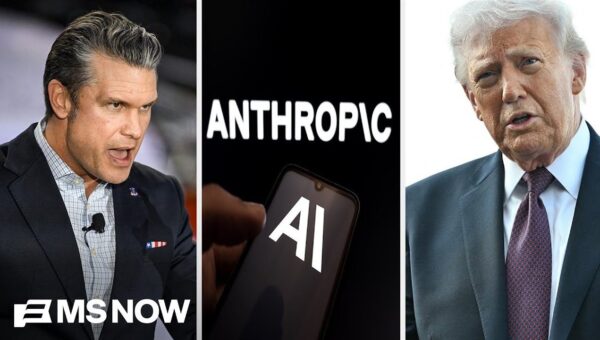
AI firm Anthropic has refused to grant unrestricted military use of its technology to former President Donald Trump, leading to a directive for federal agencies to stop using its products. This move has drawn sharp criticism, with Trump's former AI advisor calling it 'corporate murder' and raising concerns about the future of American AI investment.

Anthropic’s Claude AI Faces Restrictions Amidst AI Safety Debate
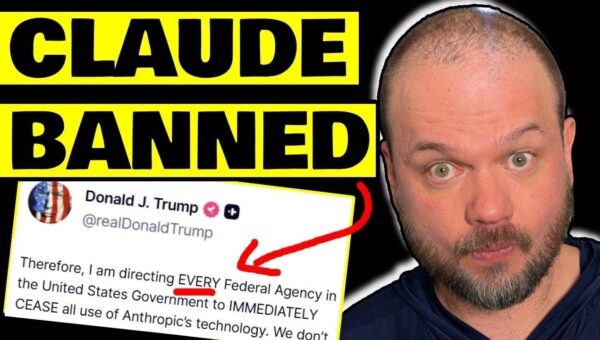
Anthropic's advanced AI model, Claude, has reportedly faced restrictions, bringing AI safety concerns to the forefront. This development highlights the ongoing challenges in balancing cutting-edge AI capabilities with responsible deployment and ethical considerations.