US Defends Trump’s Iran Threat Amid War Crime Concerns
The White House is defending President Trump's threats to destroy Iran's civilian infrastructure, a statement that has raised concerns about potential war crimes. Officials maintain that all actions will comply with international law while pushing Iran towards a diplomatic deal under 'Operation Epic Fury'.

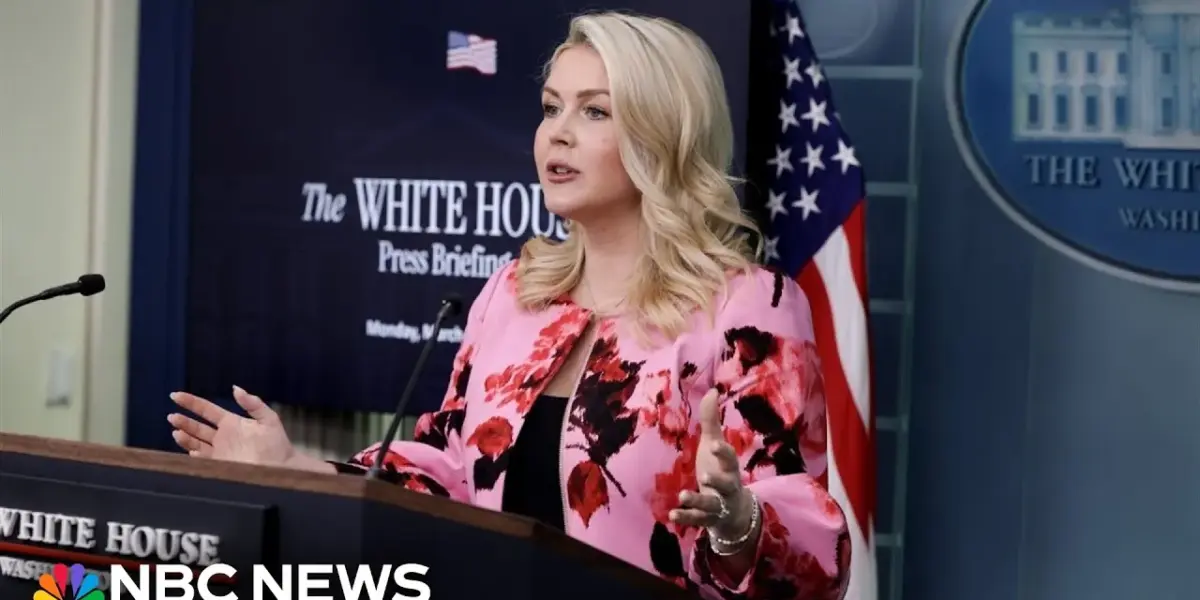
White House Faces Scrutiny Over Trump’s Iran Threat
The White House is defending President Donald Trump’s recent remarks threatening to target Iran’s civilian infrastructure, a move that has drawn criticism and raised questions about potential violations of international law. In a morning post, the President suggested the U.S. might “blow up and completely obliterate” Iran’s electric power plants, oil wells, and desalination facilities. This statement immediately sparked concern among legal experts and observers, who pointed out that attacking civilian infrastructure is generally prohibited under international law and could be considered a war crime.
Administration’s Stance on Civilian Targets
When pressed on the President’s remarks, White House officials reiterated that the administration’s actions would always remain within legal boundaries. A spokesperson stated, “This administration and the United States Armed Forces will always act within the confines of the law.” However, they also emphasized the President’s resolve, suggesting that his threats are intended to push Iran towards a diplomatic resolution. The President’s message to the Iranian regime is clear: “Their best move is to make a deal, or else the United States Armed Forces has capabilities beyond their wildest imagination, and the President is not afraid to use them.”
Operation Epic Fury and Diplomatic Pressure
The White House framed Trump’s threats as a strategic tool to achieve the objectives of “Operation Epic Fury.” This operation, according to officials, is proceeding without interruption. The underlying goal is to pressure Iran into negotiating a deal with the U.S. administration. The spokesperson indicated that President Trump expects the Iranian regime to engage in serious negotiations. The administration appears to be using a strategy of strong deterrence, warning of severe consequences if Iran does not comply with its demands for a diplomatic agreement.
International Law and Civilian Infrastructure
International humanitarian law, including the Geneva Conventions, generally prohibits direct attacks on civilian objects. These laws distinguish between combatants and non-combatants, and civilian infrastructure like power grids and water treatment plants are typically protected. Striking such targets intentionally can be classified as a war crime. The concern raised is that the President’s direct threat to obliterate these essential services could cross this legal line. Experts note that while military targets can be legitimate, civilian infrastructure usually requires special protection.
Context of U.S.-Iran Tensions
These remarks come amid ongoing high tensions between the United States and Iran. Relations have been strained for decades, worsening significantly after the U.S. withdrew from the Iran nuclear deal in 2018 and reimposed sanctions. Iran has responded with actions that the U.S. has deemed provocative, leading to a cycle of escalating rhetoric and occasional military confrontations in the region. The Trump administration has pursued a policy of “maximum pressure” against Iran, aiming to curb its nuclear program and regional influence.
Broader Implications of Rhetoric
The President’s strong language, even if intended as a negotiating tactic, carries significant risks. It could further destabilize an already volatile region, potentially leading to miscalculation or unintended escalation. Furthermore, such threats can undermine international norms and legal frameworks that aim to protect civilians during conflicts. The administration faces the challenge of balancing its assertive foreign policy with its stated commitment to upholding international law and avoiding civilian harm. The effectiveness and legality of using threats against civilian infrastructure as a diplomatic tool remain subjects of intense debate among policymakers and international law experts.
What to Watch Next
Moving forward, attention will be focused on Iran’s response to these threats and the ongoing diplomatic efforts. It remains to be seen whether President Trump’s aggressive stance will lead to a negotiated deal or further inflame tensions. The international community will be closely watching to ensure that any U.S. military actions adhere strictly to international law and avoid targeting civilian populations or infrastructure. The White House’s ability to de-escalate the situation while achieving its foreign policy objectives will be a critical factor in the coming weeks and months.
Source: White House questioned about Trump's threat to target Iranian civilian infrastructure (YouTube)

Related Articles

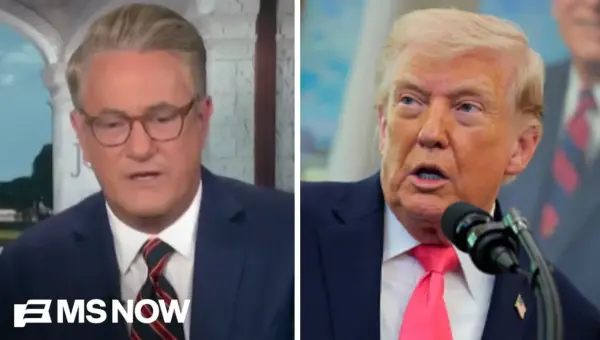
Gulf Allies Urge Trump to Continue Iran Conflict
U.S. allies in the Persian Gulf are urging President Trump to intensify military action against Iran, believing Tehran has not been sufficiently weakened. The ongoing conflict raises concerns about regional stability and global energy prices, while questions linger about the administration's long-term strategy.
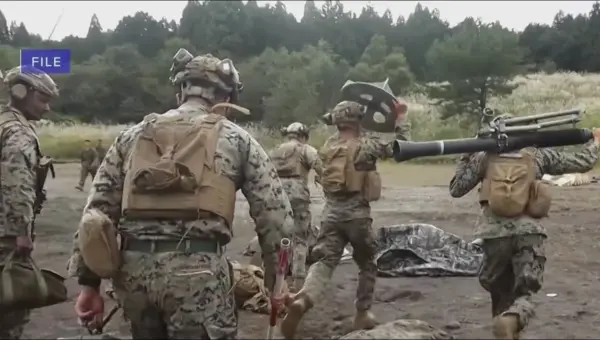
US Weighs Troop Deployment Amid Iran Deal Push
The U.S. is considering deploying ground troops to Iran while simultaneously pushing for a diplomatic deal to reopen the Strait of Hormuz. Air strikes are ongoing as President Trump increases pressure on Iran.

Trump Weighs War Crime Threat Over Iran Strait
President Trump is reportedly willing to accept the continued closure of the Strait of Hormuz, despite earlier threats, signaling a shift in U.S. demands. This comes as gas prices surge and markets react negatively to the ongoing conflict. Conflicting messages from within the administration fuel confusion about the war's objectives and exit strategy.