US Declares ‘Historic Victory’ Over Iran in Operation Epic Fury
U.S. officials have declared a "historic and overwhelming victory" over Iran following the conclusion of Operation Epic Fury and a subsequent ceasefire. The operation reportedly decimated Iran's military capabilities, including its navy, air force, and missile program. The U.S. also stated that Iran's defense industrial base and nuclear program have been severely degraded, ensuring Iran will not possess nuclear weapons.

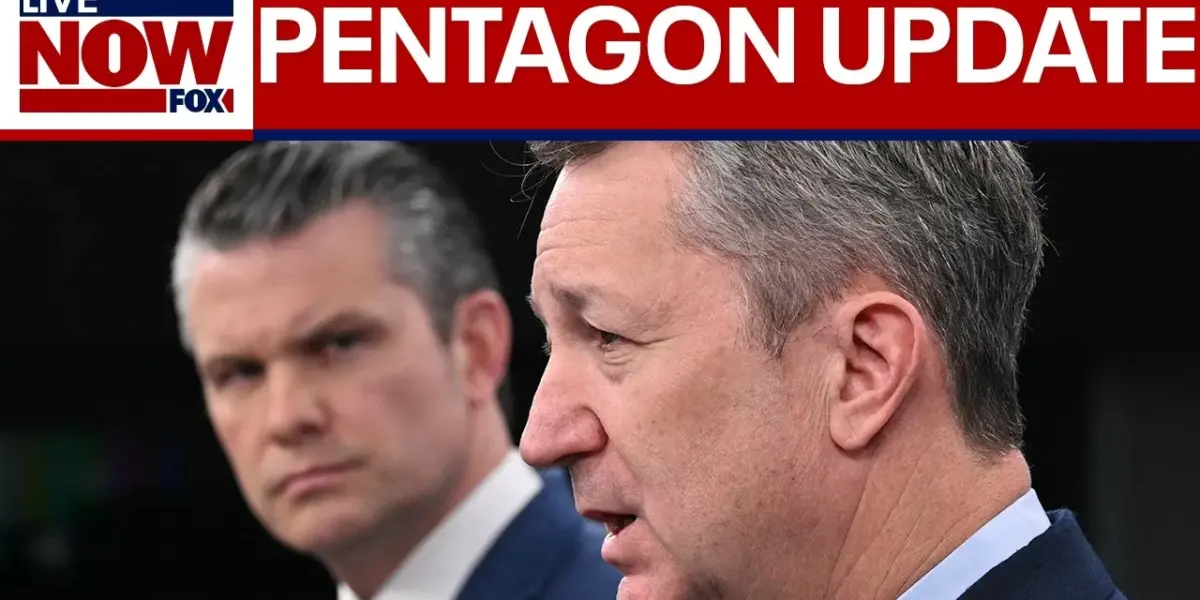
US Declares ‘Historic Victory’ Over Iran in Operation Epic Fury
In a significant update following a declared ceasefire, U.S. Secretary Hegseth and Chairman Caine provided the first official details on the military operation dubbed ‘Epic Fury.’ The operation, which concluded with Iran agreeing to a ceasefire, has been hailed by U.S. officials as a decisive and overwhelming victory on the battlefield. Secretary Hegseth stated that Iran’s military has been decimated and rendered combat ineffective for years to come.
Operation Epic Fury: A Decisive Military Campaign
Operation Epic Fury, lasting less than 40 days, saw the U.S. Central Command (CENTCOM) dismantle what was described as one of the world’s largest militaries using less than 10% of America’s total combat power. Officials highlighted that Iran, the world’s leading state sponsor of terrorism, proved incapable of defending itself. The operation achieved all its objectives, with Iran’s Navy reportedly at the bottom of the sea, its air force wiped out, and its comprehensive air defense system destroyed. The missile program and production facilities were also described as functionally destroyed.
Destruction of Iran’s Industrial Base
A key objective of Operation Epic Fury was the complete destruction of Iran’s defense industrial base. In the final wave of strikes, over 800 targets were hit, targeting factories and production facilities. Secretary Hegseth explained that Iran’s ability to build missiles, rockets, launchers, or drones has been set back significantly, with factories raised to the ground. Had Iran refused the ceasefire terms, the next targets would have included their power plants, bridges, and energy infrastructure, which officials stated Iran could not defend or realistically rebuild.
Trump Administration’s Approach to Iran
Secretary Hegseth emphasized President Trump’s approach, noting that while he had the power to cripple Iran’s economy in minutes, he chose mercy by sparing certain infrastructure targets. This decision was made because Iran accepted the ceasefire under overwhelming pressure. The transcript detailed the systematic elimination of Iran’s top leadership, including the previous Supreme Leader and various high-ranking military and intelligence officials, suggesting this had a profound impact on the new regime’s calculus.
“Iran begged for this ceasefire and we all know it. As President Trump said this morning, a big day for world peace. Iran wants it to happen. They’ve had enough.”
Nuclear Program Neutralized
A central theme of the update was the assurance that Iran will not possess nuclear weapons. Under the terms of the ceasefire, any nuclear material Iran possesses will be removed and closely monitored. Secretary Hegseth stated clearly, “There will be no Iranian nuclear weapons. Period. Full stop. Other presidents said it. President Trump did it.”
Rescue Operation Highlights Joint Force Capability
The update also highlighted a daring rescue operation where two downed U.S. pilots were recovered safely, despite Iranian efforts. This operation, involving daylight and nighttime raids, resulted in zero American casualties and was described as a humiliation for Iran. The successful recovery was presented as a testament to the bravery, skill, and grit of the American forces.
Military Details and Statistics
Chairman Caine provided specific military details, honoring the 13 U.S. service members killed during the operation. He confirmed that over 38 days of major combat, the joint force struck more than 13,000 targets, including over 4,000 dynamic targets. Approximately 80% of Iran’s air defense systems were destroyed, along with hundreds of ballistic missile and drone storage facilities. The Iranian Navy was assessed to have sunk over 90% of its fleet, and over 95% of their naval mines were destroyed. The defense industrial base, including factories for drones and missile production, was shattered. Nearly 80% of Iran’s nuclear industrial base was also hit.
Partnerships and Support
The operation involved extensive support from various U.S. commands, including TRANSCOM, STRATCOM, SPACECOM, SOCOM, and CYBERCOM. Crucially, U.S. forces were supported by Gulf partners, including Saudi Arabia, UAE, Bahrain, Qatar, Kuwait, and Jordan. The intelligence community, including the DIA, NSA, NGA, CIA, and NRO, played a vital role in providing situational awareness.
Looking Ahead: Vigilance and Compliance
While a ceasefire is in place, U.S. officials stressed the need for continued vigilance. Secretary Hegseth stated that the U.S. military will remain in the region to ensure Iran complies with the ceasefire and ultimately negotiates a new deal. The joint force remains ready to resume combat operations if necessary. The focus is now on ensuring Iran upholds the terms of the agreement, with the U.S. prepared to monitor and respond to any violations.
Source: Sec Hegseth, Chairman Caine provide first update on Operation Epic Fury after ceasefire announced (YouTube)

Related Articles


Iran Ceasefire: US Claims Decisive Victory, Markets Cheer
The U.S. declared a decisive military victory in 'Operation Epic Fury' following a ceasefire with Iran, crippling its military capabilities. Markets cheered the news, with major indices surging and oil prices plummeting.


Iran Begs for Ceasefire After Devastating US Military Victory
In a swift and decisive military campaign, U.S. forces have crushed Iran's military capabilities in 'Operation Epic Fury.' Following the overwhelming battlefield defeat, Iran has reportedly sought a ceasefire, a move hailed as a victory for global peace and a fulfillment of President Trump's policy to prevent Iran from acquiring nuclear weapons.


Iran Claims Victory as Ceasefire Leaves Military Leverage Intact
A recent ceasefire between the U.S. and Iran has ended hostilities but left Iran's military leverage intact, according to Middle East correspondent Samer Al-Atrush. The deal, which allows for Iranian control over the Strait of Hormuz, appears to have achieved Iran's goal of restoring its deterrence. Experts suggest the agreement reflects a military stalemate rather than a decisive victory for either side.