US Debt Downgrade Sparks Flight to Hard Assets
Moody's downgrade of U.S. debt signals a shift in global finance, prompting a move towards hard assets like gold and real estate. Rising inflation and a weakening dollar threaten traditional savings, highlighting the critical need for financial education and strategic investment in inflation-resistant assets.

US Debt Downgrade Sparks Flight to Hard Assets
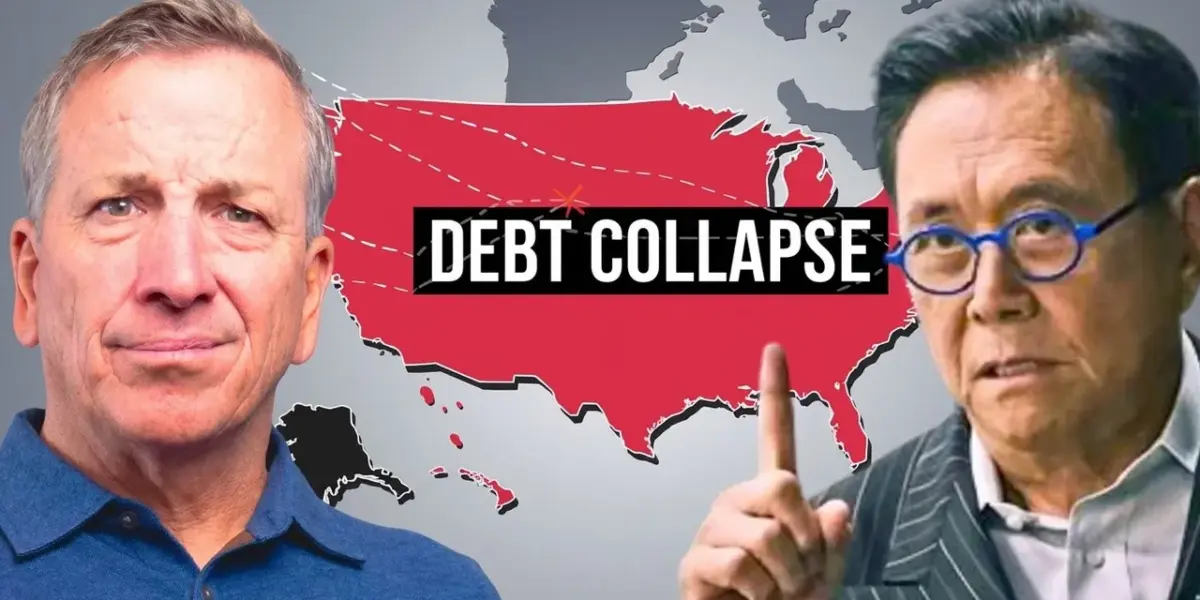
The U.S. credit rating has been downgraded by Moody’s, a significant event that has sent ripples through the financial world. This downgrade from AAA to double-A signifies a perceived weakening of the nation’s financial standing, prompting a critical re-evaluation of traditional investment strategies, particularly for those holding U.S. debt and dollar-denominated assets.
The Bond Market’s Fallout
The bond market, a cornerstone of global finance, is experiencing unprecedented disruption. Moody’s decision to downgrade U.S. debt from its highest rating has created uncertainty among international holders of U.S. Treasuries and dollars. As the U.S. dollar’s value is perceived to be diminishing due to increased money printing and a ballooning national debt, investors are increasingly seeking refuge in tangible, hard assets. This trend is not new, but the current economic climate is amplifying the urgency for many to diversify away from traditional savings and dollar-based investments.
Inflation’s Double-Edged Sword
The Federal Reserve’s and Treasury’s strategy of printing more money to manage the economy has a dual effect. On one hand, it can inflate asset prices, benefiting those who already own real estate, gold, silver, and oil. This creates a wealth gap, as those with existing assets see their value increase. On the other hand, it fuels inflation, making everyday necessities like food and energy more expensive. The rising cost of goods means that for those on fixed incomes or relying on savings, their purchasing power is significantly eroded. This inflationary pressure is impacting consumer behavior, with even basic purchases at fast-food chains becoming a strain for many.
Generational Financial Challenges
The current economic environment poses a particular threat to the Baby Boomer generation. As inflation rises, the value of their retirement savings, often held in stocks, bonds, and mutual funds, is being rapidly diminished. The traditional 60/40 investment portfolio (60% stocks, 40% bonds) is proving vulnerable, as both asset classes are facing downward pressure. This situation is compounded by the fact that many in this generation may not have sufficient assets to weather prolonged inflation, potentially leading to a significant financial setback.
The Dollar’s Decline and Alternative Assets
The U.S. dollar has recently hit a three-year low against other currencies. This weakening has spurred a global demand for assets perceived as more stable. Gold, in particular, is seeing renewed interest, with prices approaching all-time highs. Beyond simple appreciation, innovative platforms are emerging that allow investors to earn yield on their gold holdings, much like renting out real estate. This involves leasing gold to pre-qualified companies, potentially earning up to 4% annually in physical gold without selling the asset. While this offers a new avenue for wealth preservation, it’s crucial to remember that leasing gold involves risks, and returns are not guaranteed.
Understanding Debt and Investment
The concept of debt is often misunderstood. While personal finance advice frequently emphasizes avoiding debt, the distinction between good debt and bad debt is crucial. Bad debt, such as credit card debt used for everyday expenses, erodes financial stability. Good debt, however, can be a powerful tool for wealth creation when used to acquire income-generating assets. Real estate investors, for example, often use debt to purchase properties like apartment buildings. The rental income generated by these properties then covers operating expenses, mortgage payments, and can even lead to an increase in equity as the principal is paid down and inflation potentially drives property values higher.
The Importance of Financial Education
A recurring theme is the inadequacy of the current education system in preparing individuals for financial realities. Many are taught to save dollars and invest in traditional markets without a deep understanding of monetary policy, inflation, or asset diversification. This lack of financial literacy leaves individuals vulnerable to economic shifts. The speakers emphasize the need for continuous learning and strategic investment in assets that can outpace inflation. This includes hard assets like gold and silver, as well as real estate, when acquired and managed prudently.
Regional and Global Economic Interplay
The economic challenges are not confined to the United States. Similar pressures, including rising unemployment, inflation, and energy costs, are being experienced globally, particularly in countries with central banking systems that engage in money printing. This interconnectedness means that geopolitical events, trade policies, and global economic trends have a profound impact on local markets and individual financial well-being.
Navigating the Future
The current economic climate, marked by a depreciating dollar, rising inflation, and a volatile bond market, necessitates a proactive approach to financial planning. Investors and individuals are encouraged to move away from holding depreciating cash and to seek out inflation-adjusted assets. The speakers stress that continuous learning and strategic investment in assets that hold or increase their value during inflationary periods are key to preserving and growing wealth in this evolving economic landscape. The rise of automation and artificial intelligence also presents new challenges and opportunities, further underscoring the need for adaptability and ongoing education.
Source: The Bond Crisis is the Everything Crisis (YouTube)

Related Articles


MAGA’s Blind Spot: Trump’s Economic Betrayal Ignored
While MAGA supporters voice anger over issues like the Epstein files, a critical economic betrayal by Donald Trump appears to be overlooked. The persistent rise in inflation and its impact on everyday Americans demands greater attention and accountability.


Leverage Your Way to Wealth: Smart Debt Strategies
Discover how the wealthy leverage debt as a strategic tool for wealth creation through arbitrage. Learn to distinguish between consumer debt and investment leverage to accelerate your financial growth.


Russia’s Economy Crumbles: Citizens Cursing Putin Amidst Poverty
Russia faces a deepening economic crisis, with citizens lamenting poverty and rising prices despite President Putin's claims of stability. Experts warn of recession and default, while citizens express frustration over funds being diverted to war efforts.