US Courts Kurdish Fighters for Potential Iran Ground Operation
The United States is reportedly in talks with Kurdish leaders to arm forces within Iran, potentially leveraging a historical relationship for a ground operation against the regime. Despite internal divisions among Kurdish groups, this strategic move could reshape regional dynamics.

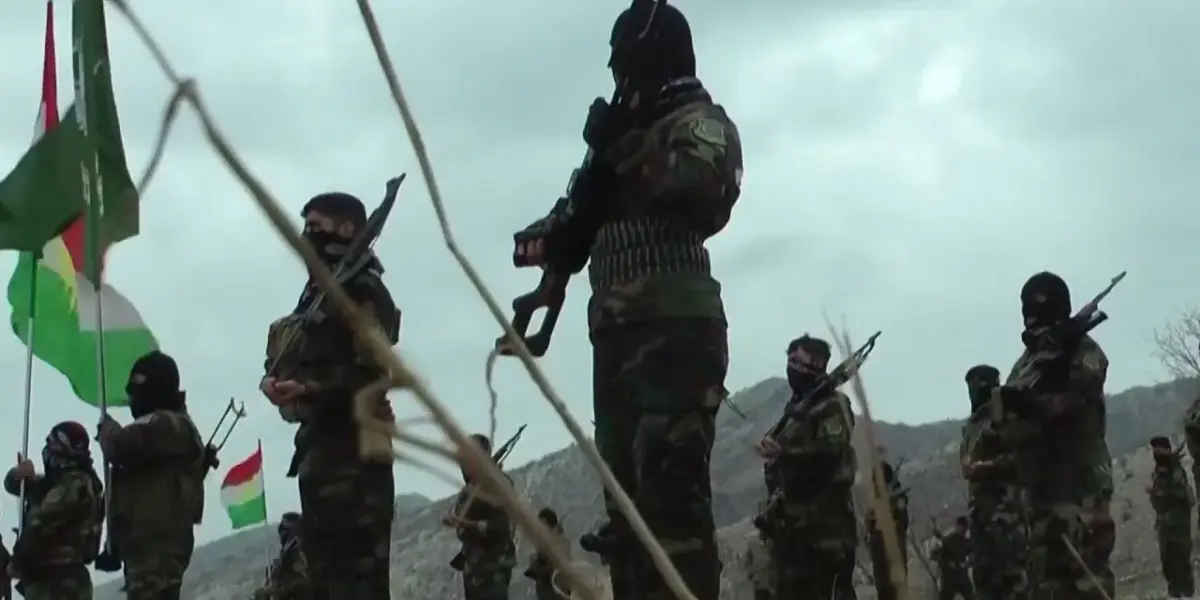
US Explores Arming Iranian Kurds Amidst Escalating Tensions
In the midst of heightened geopolitical tensions and discussions surrounding a potential ground invasion in Iraq, the United States is reportedly engaging with Kurdish leaders in northern Iraq. The objective is to explore the possibility of arming Kurdish forces within Iran to potentially act against the Iranian regime. This strategic outreach signifies a significant development in US foreign policy, leveraging a long-standing, albeit complex, relationship with Kurdish populations in the region.
A History of US-Kurdish Alliances
The United States has a historical precedent for collaborating with Kurdish fighters, a relationship that dates back over half a century. Notably, in the 1970s, President Nixon, in conjunction with the then-Shah of Iran, authorized the CIA to covertly arm Kurdish rebels. This historical entanglement, though often fraught with complexities and shifting political landscapes, highlights a recurring theme of US engagement with Kurdish groups in strategic pursuits.
“The United States has a long history of working with Kurdish fighters, dating back over half a century, when in the 1970s, President Nixon worked with the then Shah of Iran to secretly arm Kurdish rebels through the CIA.”
The Current Standing of Iranian Kurds
Michael Knights, an Adjunct Fellow at The Washington Institute, provides critical insight into the current situation. “Around 10% of Iranians are Kurds, and that’s about a quarter of the non-Persian ethnic minorities in the country,” Knights explains. “Around 40% of people in Iran are not Persians. They come from the various ethnic minorities around the edges. And the Kurds are one of the biggest groups.” Despite their significant population share, Iranian Kurds are described as among the most suppressed ethnic groups globally. This context suggests a fertile ground for potential resistance, with the possibility of support from the US and Israel, or a self-initiated uprising, particularly as the Iranian regime faces perceived weakening.
Challenges of Kurdish Unity
Despite the potential for a unified front against the Iranian regime, the reality of Kurdish populations across different nations presents a complex picture. Knights clarifies, “No, they’re not on the same page. They’re quite distinct groups of people, even though they tend to the public’s, tend to want to support each other.” The geographical separation, often by formidable mountain ranges, further contributes to these distinctions. However, a close connection exists between Iranian and Iraqi Kurds. This proximity raises concerns for Iraqi Kurdistan, as Iran has historically blamed and retaliated against Iraqi Kurdish groups for harboring Iranian Kurdish separatists. Past incidents include Iran firing ballistic missiles and rockets into Iraqi Kurdistan as a punitive measure.
Potential US Support Beyond Arms
When questioned about what else the United States might offer beyond weapons and financial aid, Knights points to the historical role of US special forces. “If you remember, at the end of the 1991 war, US special forces supported the Iraqi Kurds as they broke away from Saddam Hussein. And then in 2003, again, US special forces based out of Iraqi Kurdistan to help liberate northern Iraq from Saddam Hussein during that war.” This suggests a potential role for Iranian Kurds in providing basing for US and possibly Israeli special forces. Such support could be augmented by air power, planning, and intelligence assistance from these international partners.
Broader Implications and Future Outlook
The reported US overtures to Iranian Kurdish leaders underscore a potential shift in regional dynamics. By considering the arming of these groups, the US may be seeking to establish a credible internal challenge to the Iranian government, potentially diverting resources and attention. This strategy, while carrying historical precedents, is not without its risks, particularly concerning regional stability and the potential for Iranian retaliation against Kurdish populations and their allies. The coming weeks and months will be crucial in determining the extent of this engagement and its impact on the volatile geopolitical landscape of the Middle East. Observers will be closely watching for further diplomatic moves, the scale of any potential arming of Kurdish forces, and the Iranian regime’s response to these developments.
Source: Kurdish fighters could become key players in Iran war (YouTube)

Related Articles


Russia Blames US for Ukraine Peace Talk Failure
Russia is reportedly using Middle East conflicts to deflect blame for potential Ukraine peace talk failures, according to the Institute for the Study of War. Meanwhile, Ukraine is assisting the U.S. with drone defense, and controversy has arisen over the misrepresentation of Ukrainian drone technology on U.S. television.


Iran War: Regime Change, Not Nukes, Fuels US Conflict
The stated reason for the U.S. war with Iran centers on nuclear threats, but a deeper analysis of recent history and strategic shifts suggests regime change is the primary, unstated objective. This distinction has profound implications for the conflict's duration and global impact.


US Considers Boots on Ground in Iran Amid Escalating Conflict
The United States is reportedly considering deploying troops on the ground in Iran, signaling a potential escalation of the ongoing conflict. As the war expands into Lebanon and discussions turn to Kurdish involvement, Richard Engel reports from Tel Aviv on the intensifying regional tensions and Russia's alleged support for Iran.