US Considers Military Action in Iran for Nuclear Material
A top US official has not ruled out military action in Iran to secure nuclear materials, following a recent conflict where key objectives were not fully met. Concerns remain over Iran's enriched uranium and control of the Strait of Hormuz as diplomatic talks are set to resume.

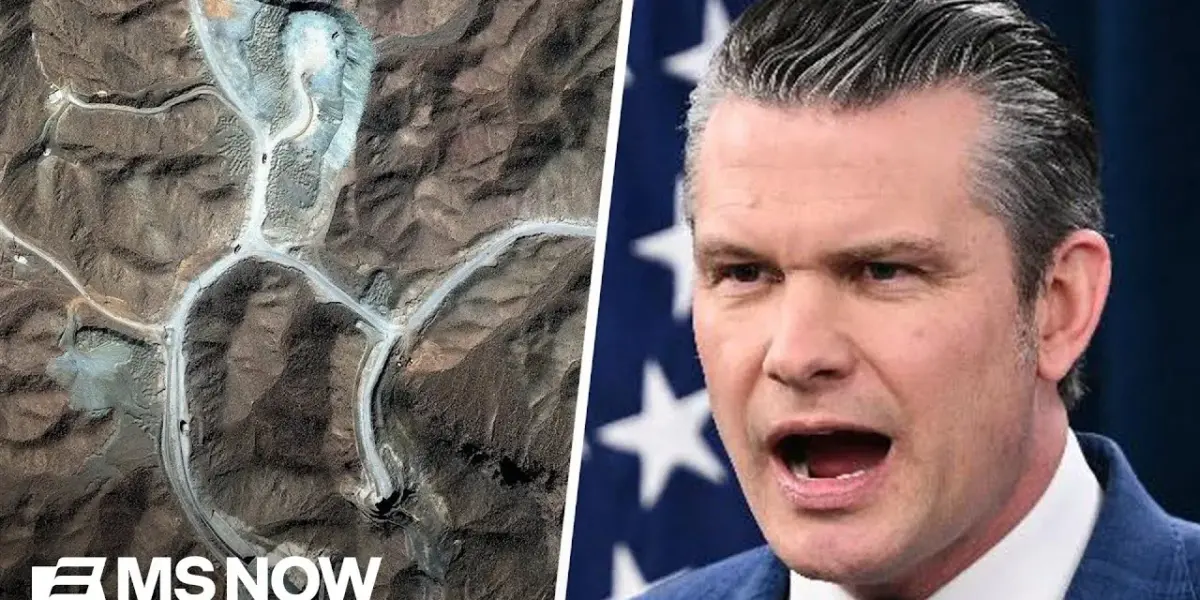
US Weighs Military Strike on Iran for Nuclear Material
Amid ongoing tensions, a top US official has not ruled out the possibility of military action inside Iran to secure its nuclear materials. This statement follows a recent conflict where initial US objectives appear to have fallen short, raising questions about the effectiveness of past military strategies and the path forward for diplomacy.
Assessing the Recent Conflict’s Objectives
Following a recent military engagement with Iran, initial assessments suggest that not all stated US objectives were fully met. The goals included destroying Iran’s missile stockpile, crippling its navy, permanently denying it nuclear weapons, and preventing regional destabilization by Iranian proxies. However, intelligence indicates that only about 30% of Iran’s missiles were destroyed. While Iran’s surface naval capability was significantly impacted, it did not prevent Iran from controlling the vital Strait of Hormuz, a key shipping lane.
Furthermore, the objective of permanently denying Iran nuclear weapons remains unachieved. Approximately 1,000 pounds of enriched uranium, while not immediately usable for a bomb, could be utilized in the future. The actions of Iranian proxies, rather than being curtailed, appear to have been emboldened by the recent ceasefire. These outcomes highlight the limitations of relying solely on air power and the critical need for international alliances.
The Nuclear Uranium Question
A central point of concern is Iran’s possession of nearly 1,000 pounds of uranium enriched to about 60%. US officials have stated that Iran might voluntarily hand over this material, or that the US would take it by force if necessary. However, experts caution that retrieving such material from within Iran would require a significant ground operation, involving troops, air cover, and facing potential confrontations with Iranian forces and insurgents. Such an operation carries substantial risks, including increased chances of civilian casualties and potential atrocities, especially given Iran’s size and existing military capabilities.
“Going into Iran to retrieve anything is going to require boots on the ground. And boots on the ground means troops, means soldiers, means Marines with air cover, amongst other things. And that’s going to increase the odds, increase the risk that troops will be encountering Iranian military, Iranian insurgents, people they mistake for threats and increases the chances of U.S. military committing potential atrocities.”
Strait of Hormuz Control and Diplomatic Efforts
The control of the Strait of Hormuz remains a contentious issue. While a ceasefire is in place, Iran’s ability to influence or charge tolls for passage through the strait poses a significant economic and strategic challenge. Allies, who viewed the recent conflict as potentially unnecessary and illegal, are reportedly concerned about the long-term consequences and the unachieved objectives. The war has also been criticized for creating rifts with European allies and potentially benefiting Russia by creating opportunities for increased oil sales.
Despite these challenges, diplomatic efforts are underway. Pakistan’s Prime Minister has confirmed that Iran will participate in peace talks, scheduled to take place soon. The specifics of US participation remain unclear. Previous negotiations in Geneva regarding Iran’s nuclear program were cut short by military action, leading to concerns that Iran may not fully trust the US in future diplomatic engagements. There is a belief among some that Iran was more willing to resolve the nuclear issue through diplomacy than the US demonstrated.
Looking Ahead
The coming days will be crucial as diplomatic talks are set to resume. The focus will be on whether a genuine dialogue can bridge the significant differences between the US and Iran, particularly concerning Iran’s nuclear program and regional security. The international community will be watching closely to see if diplomacy can prevail over the threat of further military action and lead to a stable resolution.
Source: Hegseth not ruling out U.S. military action in Iran to obtain nuclear material (YouTube)

Related Articles

Iran Dominates Hormuz: Trump’s Deal Fails to Reclaim Key Waterway
Iran has significantly strengthened its control over the vital Strait of Hormuz, challenging previous assumptions about its influence. Despite potential deals, ideological drivers and a sense of strategic advantage appear to empower Iran, impacting global oil security.


Oil Prices Stay High as Ceasefire Talks Crumble
The fragile ceasefire agreement is showing signs of collapse, with escalating tensions and disputed terms threatening renewed conflict. Disruptions in the Strait of Hormuz loom, potentially driving oil prices higher and impacting global markets. Investors are advised to brace for continued volatility and adopt a cautious investment strategy.


GOP Rep: AOC’s Military Stance is ‘Act Two’ of Defiance
A Republican congressman criticized Representative Alexandria Ocasio-Cortez's stance on military orders, calling it "Act Two" of progressive defiance. The comments highlight ongoing debates about foreign policy, particularly concerning Iran's nuclear program and regional stability.