US Commandos Execute Daring Iraq Rescue Under Fire
Elite U.S. special operations forces, supported by a diverse array of air power, executed a high-risk rescue of a downed F-15E WSO in Iraq. The mission faced intense enemy fire and extraction challenges, ultimately resulting in the successful recovery of the officer.

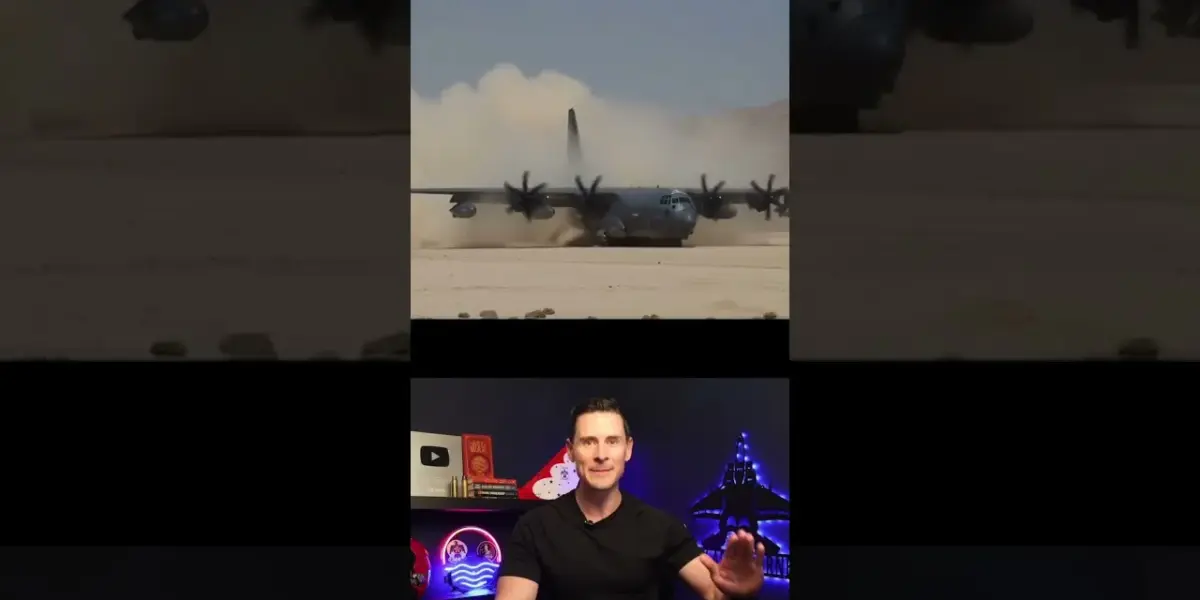
Elite US Forces Stage Audacious Iraq Rescue Operation
In a complex and dangerous operation deep within Iraq, elite American special operations forces executed a daring rescue mission to save a downed U.S. Air Force officer. The mission involved multiple branches of the U.S. military, showcasing a high level of coordination and combat readiness under intense enemy fire.
Joint Special Operations Team Mobilized
The operation saw a combined team of U.S. commandos working together on the ground. Personnel from U.S. Army Special Forces (Green Berets), Delta Force, and Navy SEALs joined forces. Their objective was to locate and extract a U.S. Air Force Colonel, identified as a Weapon Systems Officer (WSO) from an F-15E Strike Eagle, who was in a perilous situation.
Air Support Provides Crucial Cover
Providing critical air support were several key U.S. Air Force assets. A-10 Thunderbolt II ground-attack aircraft, known for their ruggedness and ability to support troops under fire, provided suppression. Unmanned MQ-9 Reapers offered surveillance and potential strike capabilities. Adding to the air cover was a low-flying C-295W aircraft operated by the highly secretive 427th Special Operations Squadron. This diverse air package was essential for protecting the ground teams and the downed officer from advancing enemy forces.
Intense Ground Engagement
The commando teams made contact with the downed officer while under heavy fire from significant Islamic Revolutionary Guard Corps (IRGC) forces. The IRGC units were attempting to capture or eliminate the officer. The special operations forces engaged the enemy, suppressing their advance and securing the extraction zone. This direct engagement highlighted the intense combat conditions faced during the operation.
Extraction Challenges and Reinforcements
Following the successful recovery of the Colonel, the initial extraction faced unexpected difficulties. C-130 transport aircraft, tasked with airlifting personnel and equipment, became stuck in sandy terrain. To prevent the aircraft and sensitive equipment from falling into enemy hands, the decision was made to destroy them. This necessitated calling in replacement aircraft to ensure all personnel could be safely removed from the operational area.
Mission Success and Strategic Significance
The rescue operation concluded with all American personnel accounted for and safely extracted. No U.S. service members were killed during the mission, and the rescued Colonel was returned to safe territory. U.S. military officials are describing this as one of the most significant rescue missions in recent American military history. It serves as a powerful demonstration of American special operations capabilities and air superiority in challenging environments.
Strategic Implications
This operation underscores the U.S. military’s commitment to recovering its personnel, even under the most dangerous circumstances. The successful coordination between ground special operations forces and multiple air assets, including specialized units, shows a mature capability for complex joint operations. The ability to quickly adapt to unforeseen challenges, such as the C-130s becoming immobilized, and implement contingency plans, like their destruction and the call for replacements, highlights the resilience and adaptability of U.S. forces. The engagement with IRGC forces also points to the ongoing proxy tensions and direct confrontations in the region.
Historical Parallels
The nature of this rescue mission, involving deep penetration into hostile territory under heavy fire to save a downed pilot, echoes historical operations like the Son Tay Raid during the Vietnam War. While the specific circumstances and equipment differ, the core objective of risking special forces to rescue personnel behind enemy lines remains a constant in military history. The reliance on overwhelming air power and specialized units reflects modern advancements in military technology and doctrine.
Weapon Systems and Tactics
The A-10 Thunderbolt II, often called the “Warthog,” is specifically designed for close air support. Its heavy armament, including a 30mm Gatling gun, makes it highly effective at destroying enemy armor and suppressing ground troops. The MQ-9 Reaper is a remotely piloted aircraft capable of long endurance surveillance and precision strikes. The C-130 is a versatile military transport aircraft, crucial for moving troops and equipment, though its operation in soft terrain can be challenging. The involvement of units like Delta Force and the 427th Special Operations Squadron highlights the U.S. military’s capacity for highly specialized, often clandestine, operations requiring unique skill sets and equipment.
Geopolitical Context
The operation’s location and the engagement with IRGC forces place it within the broader context of Middle Eastern geopolitical tensions. The IRGC represents a significant military and political force in Iran, often involved in regional conflicts and proxy engagements. The U.S. military’s presence and actions in Iraq are part of a long-standing effort to maintain stability and counter extremist groups, while also managing relations with regional powers. This rescue mission demonstrates U.S. resolve in the face of potential threats from Iranian-backed forces.
Source: SHOCKING Details on How U.S. Commandos Saved F-15E WSO In Iram (YouTube)

Related Articles
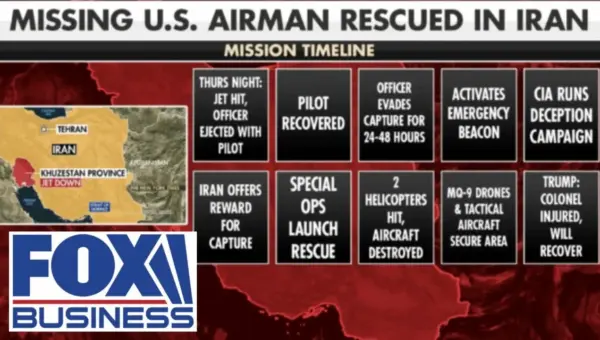
US Special Ops Stage Daring Rescue Deep Inside Iran
U.S. Special Operations forces conducted a daring rescue deep inside Iran to save a downed aircrew, involving dozens of personnel and multiple aircraft. Two $100 million jets were destroyed during the complex operation, which included a CIA deception campaign to aid the extraction.
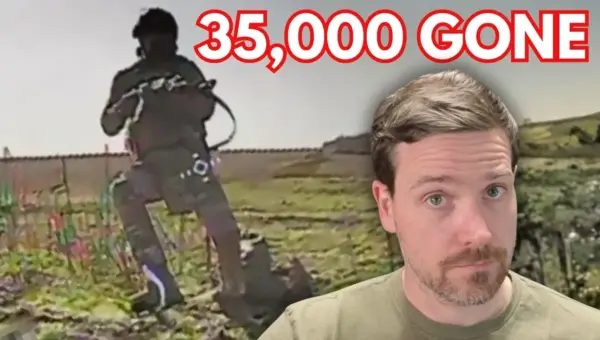
Drones Devastate Russian Forces in Record Losses
Russia experienced its deadliest month of the war in March, with over 35,000 casualties, largely due to Ukraine's advanced drone warfare. Ukraine is also targeting Russian oil exports to cripple its economy. This marks a significant shift in military tactics and economic strategy.
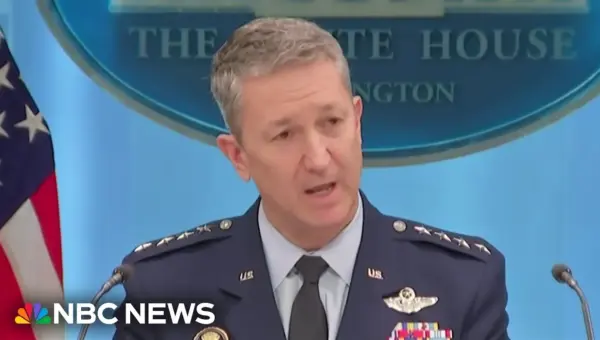
US Airmen Rescue: A Daring Daylight Mission Unfolds
Two U.S. Air Force pilots were dramatically rescued from behind enemy lines in a perilous operation spanning over 50 hours. The mission, described as "incredibly dangerous," showcased the bravery of U.S. forces and the nation's commitment to bringing its airmen home.