US Clears Hormuz Mines Amid Pakistan Peace Talks
The U.S. Navy is clearing mines from the Strait of Hormuz as critical peace talks involving Iran unfold in Pakistan. This dual approach aims to secure vital oil shipping lanes and de-escalate regional tensions, though significant challenges and potential future conflicts remain.

US Clears Hormuz Mines Amid Pakistan Peace Talks
The United States has begun clearing mines from the Strait of Hormuz, a vital waterway for global oil transport. This action comes as critical peace talks are underway in Pakistan between Iran and other nations. The Strait of Hormuz has seen reduced shipping traffic recently, raising concerns about freedom of navigation and its impact on global trade.
Diplomacy and Military Action Intertwined
Central Command confirmed that two American destroyers successfully passed through the Strait of Hormuz. This operation is the first step in ensuring the waterway is free of mines. The goal is to reopen the Strait and restore safe passage for cargo ships. However, questions remain about the type and extent of the mines present. Freedom of navigation has not yet been fully restored, making this a key focus for Middle Eastern operations and ongoing diplomatic efforts.
Pakistan Hosts High-Stakes Negotiations
Crucial negotiations are taking place in Pakistan, involving Iran and other regional players. The opening of the Strait of Hormuz is considered essential for maintaining any potential ceasefire. These talks represent the highest-level discussions between Iran and some of these nations since 1979. Pakistan’s Prime Minister has played a significant role in bringing these parties together, aiming for face-to-face dialogue.
Iran’s Position and Red Lines
Iran has stated its commitment to protecting national interests during these negotiations. A high-ranking Iranian delegation arrived in Pakistan, described as staunch guardians of Iran’s interests. They intend to negotiate with courage, emphasizing that their service to the people will continue regardless of the talks’ outcome. Iran has drawn several red lines, including its nuclear program and its support for militia groups in the region. These are significant sticking points in the ongoing discussions.
Israel-Lebanon Conflict Adds Complexity
Adding another layer of tension, Israel has been conducting strikes against Hezbollah positions in Lebanon. This has led to an active situation in northern Israel with ongoing exchanges. While negotiations are planned between the Lebanese and Israeli governments in Washington, the lack of diplomatic ties between these two countries makes this significant. Israel states it will not stop its operations until communities in northern Israel feel safe and secure. This ongoing conflict highlights the fragile nature of regional stability.
Presidential Stance and Readiness
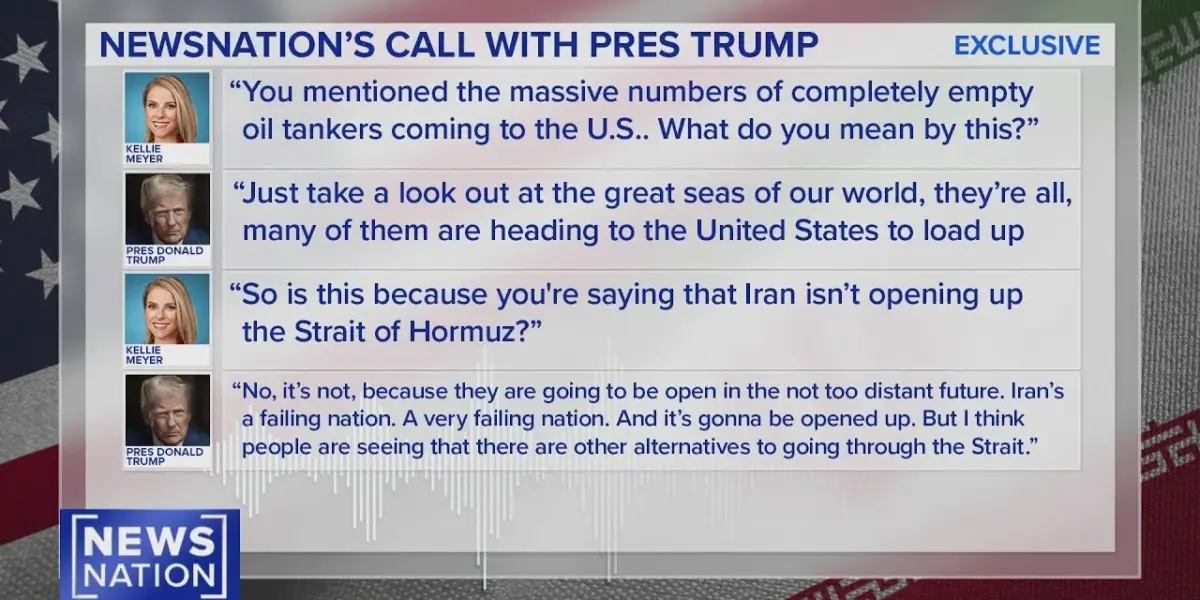
The U.S. President has publicly stated his commitment to clearing the Strait of Hormuz. He mentioned receiving intelligence suggesting Iran might not know the location of all the mines. However, the U.S. knows where they are and is taking action to clear them, which would allow tankers to resume passage. When asked if Iran was negotiating in good faith, the President expressed uncertainty. He indicated that if the talks do not go well, the U.S. military is ready for further action.
Economic Stakes and Political Support
The conflict and the status of the Strait of Hormuz have significant economic implications, particularly for global oil markets. The President appears to be navigating this pressure while maintaining a steady approach. The White House believes it has the support of its party to continue operations if necessary. The President’s public statements aim to keep the threat to Iran present, while behind-the-scenes actions may differ. The situation remains dynamic with much at stake.
Global Impact
The dual focus on military action to ensure freedom of navigation in the Strait of Hormuz and high-level diplomatic talks in Pakistan underscores the complex geopolitical environment. The Strait of Hormuz is a critical chokepoint for approximately 20% of global oil consumption. Any disruption there can send oil prices soaring and impact economies worldwide. The ongoing negotiations, particularly concerning Iran’s nuclear ambitions and regional activities, are crucial for broader Middle East stability. The involvement of multiple regional and international actors highlights the interconnectedness of security and economic interests in this vital region.
Historical Context
The Strait of Hormuz has historically been a flashpoint. Since the 1979 Iranian Revolution, tensions between Iran and the United States, along with its allies, have frequently centered on maritime security in the Persian Gulf. Past incidents, including naval skirmishes and threats to shipping, have led to increased military presence and international concern. The current operations to clear mines echo past efforts to ensure the free flow of commerce, drawing on lessons learned from previous crises.
Future Scenarios
Several future scenarios are possible. The Pakistan talks could lead to de-escalation, with Iran agreeing to greater transparency regarding its regional activities and nuclear program, and the Strait of Hormuz remaining open. Alternatively, negotiations could fail, leading to increased tensions and potentially further military action. The ongoing conflict between Israel and Hezbollah also carries the risk of wider regional escalation. The U.S. stance suggests a readiness to respond militarily if diplomatic solutions falter, maintaining pressure on Iran while seeking a peaceful resolution.
Source: Trump says US moving to clear Hormuz mines | NewsNation Live (YouTube)

Related Articles

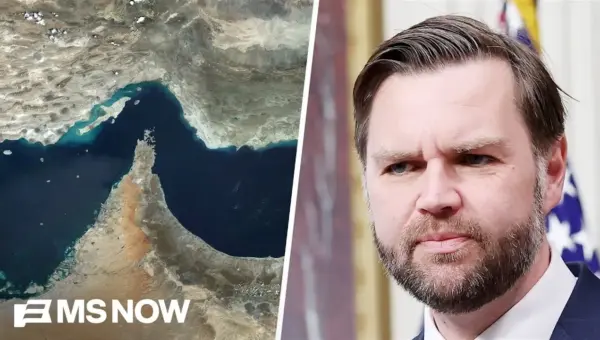
US Minesweepers Clear Strait of Hormuz Amid Peace Talks
U.S. forces have commenced mine-clearing operations in the Strait of Hormuz, a critical waterway, amid high-level peace talks with Iran in Pakistan. The operation, seen as a positive sign, occurs while diplomats discuss Iran's nuclear program and regional stability. Experts weigh the risks, Iran's strategic leverage, and the complex interplay of international relations, including Israel's ongoing military actions.

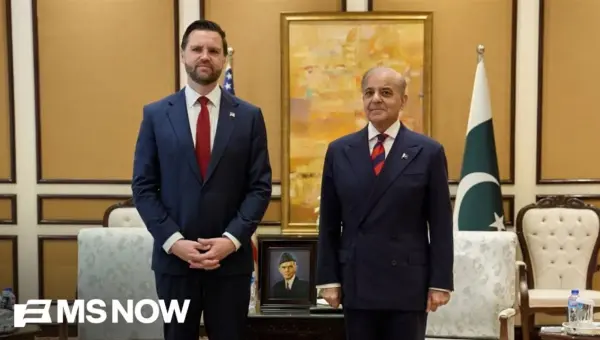
US, Iran Hold Landmark Peace Talks in Pakistan
Top U.S. and Iranian delegations are holding landmark peace talks in Islamabad, Pakistan, mediated by the Pakistani government. This marks the first direct meeting between the two nations in nearly 50 years, with Vice President J.D. Vance leading the U.S. side.


Iran Talks Stall: US ‘Arrogance’ Fuels Mideast Stalemate
Peace talks between Iran and the U.S. in Pakistan have stalled due to what Iran calls "excessive demands" and a U.S. attempt to alter a pre-agreed 10-point framework. Tensions are high, with both sides expressing deep mistrust and a readiness for conflict.