US Christian Nationalism Fuels Global Conflict Fears
A potent strain of Christian nationalism in the US is raising alarms globally, promoting a 'warlike brand' of faith that views empathy as weakness. This ideology, amplified during times of economic hardship, risks justifying aggressive actions and undermining international humanitarian norms. Its influence on policy could reshape global dynamics.

US Christian Nationalism Fuels Global Conflict Fears
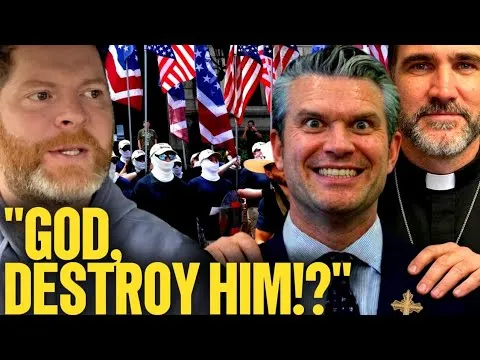
A growing movement in the United States, known as Christian nationalism, is raising concerns about its influence on American policy and its potential impact on international relations. This ideology, which blends Christian faith with national identity, is seen by critics as promoting a militaristic and exclusionary worldview. This is particularly worrying when leaders and their advisors express extreme views, such as calling for the death or crucifixion of political opponents.
The ‘Warlike Brand’ of American Christianity
The video transcript highlights a perceived shift in some segments of American Christianity towards a more aggressive and nationalistic stance. It describes this as a “warlike brand,” suggesting a focus on power and dominance rather than traditional Christian teachings of love and compassion. This new brand is compared to the historical Knights Templar, but with a misunderstanding of their original purpose.
This trend is exemplified by figures like James Talerico, a political candidate in Texas. Despite his father being a pastor with a more peaceful approach to faith, Talerico faces harsh criticism and even violent rhetoric from some evangelical circles. Calls for his “crucifixion” and comparisons to figures who persecuted early Christians reveal a deep division within the faith and a concerning willingness to use extreme language.
Empathy as Weakness, Extremism as Strength
A key concern raised is that this form of Christian nationalism views empathy as a weakness. Instead of promoting kindness and understanding, it seems to see compassion as a threat to its worldview. This perspective can lead to hostility towards those who hold different beliefs or advocate for a more inclusive society. It creates an “us vs. them” mentality that can easily escalate into conflict.
The transcript points out that when society believes its military actions are divinely approved, there are few limits. This can lead to a disregard for international laws and humanitarian concerns. The situations in Israel and Gaza are cited as examples where religious justifications might be used to explain or permit actions that result in widespread suffering and loss of innocent lives.
The Role of Scarcity and Desperation
The analysis suggests that during times of economic hardship, increased scarcity, and stagnant wages, people often turn to religion for answers. This desperation can make them vulnerable to extremist ideologies that offer simple explanations and scapegoats. When people feel their lives are not going well, they may look for someone to blame, often choosing individuals or groups that are different from them.
This dynamic is seen as a dangerous path that has historically led to terrible atrocities. The transcript warns against ethnic cleansing and genocide, urging people not to be fooled into thinking these events are not happening. The spread of religious extremism, fueled by a desire for validation and a need to shift blame, is presented as a significant threat to global stability.
Historical Parallels and Future Concerns
The article stresses the importance of understanding history to recognize current patterns. The language and justifications used by extremist groups today often echo those seen in past conflicts and genocides. This historical awareness is crucial for identifying and preventing future atrocities.
The influence of religious extremism is not confined to any single nation. The transcript notes an Israeli official’s statement suggesting that women and children are not innocent in their current conflict, highlighting how religious fervor can be used to dehumanize entire populations. This dangerous mindset, when combined with political power and economic instability, creates a volatile global environment.
Global Impact and Shifting World Order
The rise of a more assertive and nationalistic form of Christianity in a global superpower like the United States has far-reaching consequences. It can influence foreign policy decisions, international alliances, and the global perception of American values. When a significant portion of the population believes their leaders are divinely chosen or their nation’s actions are blessed by God, it can lead to a foreign policy that is less constrained by international norms or humanitarian considerations.
This trend challenges the existing world order, which is largely based on international cooperation and respect for human rights. If a major power begins to act based on a belief in its own divine mandate, it could undermine multilateral institutions and create greater instability. The emphasis on a “warlike brand” and the rejection of empathy suggest a world where diplomacy and peaceful conflict resolution may take a backseat to more aggressive strategies.
Future Scenarios
One possible future scenario is that this movement remains a fringe element within American politics and religion, with little impact on actual policy. However, given its growing visibility and the intensity of its rhetoric, another scenario is that it gains more political traction, leading to a more isolationist or interventionist foreign policy guided by religious nationalism. A third, more concerning scenario, is that this ideology continues to spread globally, inspiring similar movements in other countries and contributing to increased international tensions and conflicts.
The transcript ends with a call for reflection, emphasizing that the current situation is both terrifying and absurd. It urges viewers to consider the broader implications of religious extremism and its connection to economic hardship and political opportunism. The global audience is asked to engage with these ideas, recognizing that these are not just American issues but part of a larger global challenge.
Source: WE HANDED THE EMPIRE TO A CULT: Pentagon Chief's Pastor Goes Unhinged (YouTube)

Related Articles
Pentagon Weighs 10,000 Troops for Iran Showdown
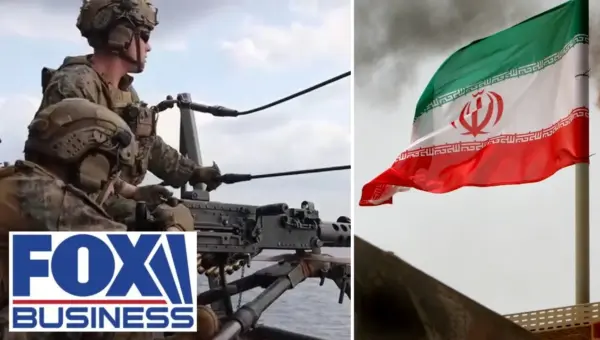
The Pentagon is reportedly weighing a significant troop increase of 10,000 soldiers to the Middle East, potentially escalating tensions with Iran. This move comes amid reports of U.S. precision strikes and interceptions of Iranian missiles by allies, raising concerns about regional stability and global oil supplies.
Iran Conflict Sparks Market Volatility, Experts Weigh In
Geopolitical tensions in the Middle East have rattled global markets, with stocks falling and safe-haven assets like the U.S. dollar strengthening. Experts suggest the market may have overreacted, creating potential buying opportunities, but warn of a "bumpy journey" ahead due to infrastructure damage and potential oil shortages. Concerns also linger about the Federal Reserve's independence amidst political commentary.
Iran War Sparks Nuclear Fears: Is a Global Arms Race Brewing?
The conflict in Iran has heightened global fears of nuclear proliferation and a potential arms race. Experts warn that Iran may pursue nuclear weapons if its current deterrence fails, while historical examples show the dangers of unchecked nuclear ambitions. The world faces uncertain scenarios, ranging from renewed diplomatic efforts to a dangerous escalation of nuclear threats.